The dream of owning an instrument at home accompanies many people who appreciate culture and art. Choosing a model requires an analysis of expenses as well as an understanding of the characteristics of the instruments currently available on the market. Before making a purchase decision, it is necessary to understand the factors that shape pricing in music stores. Knowledge of how costs are created makes conversations with professionals and negotiations during a transaction much easier.
How Much Does a Good Grand Piano Cost? A Guide to Prices and Selection Factors
Many music enthusiasts wonder how much a grand piano costs when planning to equip their living room with an instrument. The cost depends on many factors, such as the reputation of the manufacturer, the condition of the action, and the year of production. It is worth paying attention to the materials used in the construction of the soundboard as well as the precision of the action.
People who are beginning their musical education often search for an answer to the question of how much an upright piano costs in order to compare different types of instruments. The choice between available options affects the acoustics of the room and the comfort of daily practice.
Analysing available offers makes it possible to find a model that meets the expectations of musicians without placing excessive strain on the budget.
One Instrument for a Student, Another for a Virtuoso – How to Match a Grand Piano to Skill Level
The choice of instrument should be tailored to the level of the person who will play it. A student needs a keyboard that allows them to learn technique and develop their musical ear. A virtuoso will look for a model with a rich palette of tonal colours and sensitivity that supports artistic expression.
It is worth reading practical advice on choosing an instrument in order to avoid mistakes at the beginning of a musical journey. Properly matching the action to the player’s hands helps prevent injuries and discouragement during practice.
Each stage of musical development requires a different approach to purchasing, which directly affects the amount spent in a showroom.
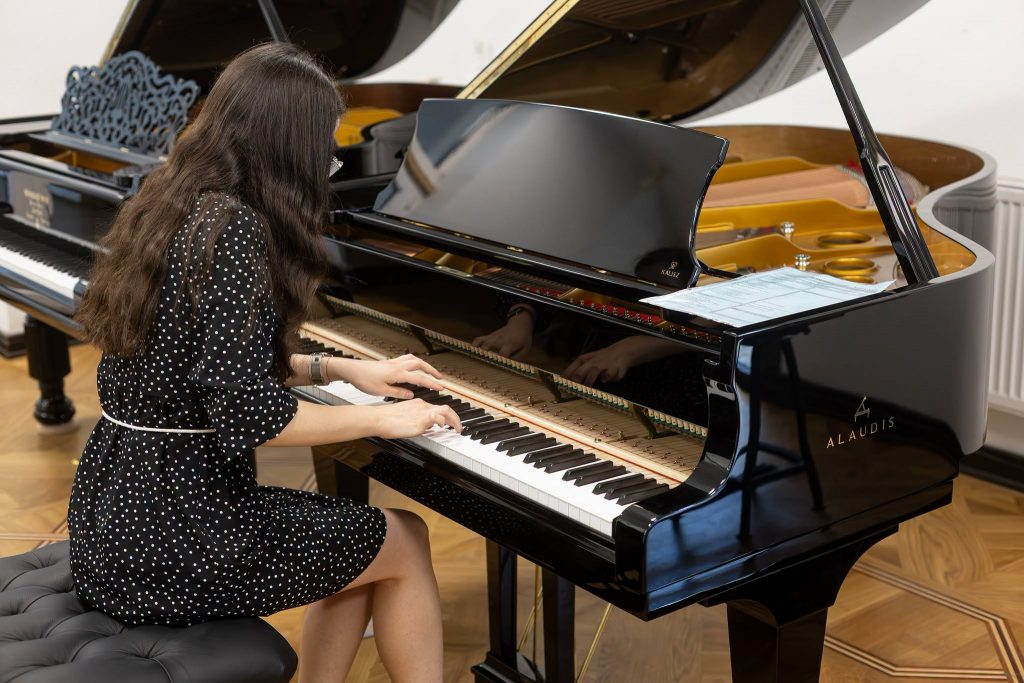
Acoustic, Digital, or Hybrid – Technological Differences and Their Impact on Price
Differences in construction mean that the price of an acoustic grand piano depends on the complexity of its mechanism. Models without strings use speakers, which lowers the price but affects the playing experience.
Instruments that combine tradition with electronics offer recording capabilities without any loss of sound quality. Before deciding on a particular production technology, it is worth understanding the relationship between quality and investment.
Traditional instruments require regular tuning, which generates expenses unknown to owners of electronic equipment. Understanding these differences makes it easier to find a compromise between price and realistic sound reproduction at home.
Studio, Salon, or Concert Grand – Why Size Matters
The length of the instrument affects the length of the strings, which determines the depth and power of the sound. Smaller models fit comfortably into apartments but offer fewer possibilities in terms of dynamic range.
The largest instruments are intended for venues where projection and powerful bass response are essential. Before purchasing, the room should be measured to ensure sufficient space for sound waves as well as for the pianist.
Size also affects the amount of wood used and the amount of work required to regulate the strings. Larger instruments generally involve a higher purchase price when the transaction is completed.
New Grand Pianos – Price Ranges on the Polish Market
When analysing grand piano prices, it is necessary to consider transportation costs and dealer margins. The Polish market offers access to brands from Europe, Asia, and North America.
The price of a new grand piano starts at several tens of thousands of Polish zlotys for mass-produced models. It is worth exploring what the Polish brand Alaudis has to offer in order to support local production while gaining a unique instrument.
Final prices depend on exchange rates and the specifications of an order placed with a particular distributor. Purchasing directly from the factory provides assurance regarding the origin and technical condition of all components.
Entry-Level, Mid-Range, and Premium Segments – What Do You Actually Get at Each Level?
When choosing an instrument, it is worth knowing that the price of a grand piano in Poland depends on the quality of the materials used and the assembly process. Instruments from the lower end of the price range come from factories where machine work dominates, which reduces durability.
In the higher segment, craftsmanship becomes evident, where the time devoted to regulation translates directly into playing comfort. It is worth reviewing completed projects to see how different levels of surface finishing vary from one instrument to another. Investing in a grand piano is a process that requires patience, as every model has its own soul and character.
Premium instruments are made from the highest-grade materials, allowing them to maintain their performance for generations of family use.
A Used Grand Piano – Is It a Worthwhile Investment?
The second-hand market attracts people who are looking for savings without giving up the sound quality of traditional instruments. The cost of a used grand piano is often significantly lower than the amount required to purchase a brand-new model from a showroom.
Such a purchase makes it possible to own a brand that might otherwise be beyond one’s budget. Many people believe that investing in a grand piano with a history brings greater satisfaction and a more distinctive sound.
However, caution is necessary to avoid purchasing an instrument that requires repairs exceeding its actual value. A well-preserved example can serve for many years and become the cultural centre of a home.
How Much Can You Save on a Used Instrument and Where Can You Find Reliable Offers?
Savings when purchasing a second-hand instrument can reach as much as half of the original price of a given model. It is best to look for offers in places that guarantee inspection of the action by qualified professionals.
It is worth visiting dealers and companies that specialise in selling and restoring older instruments. Transaction security is enhanced by documentation confirming the service history and origin of the musical instrument.
Consulting experts helps avoid overpaying for models that possess only decorative value. Choosing the right source is the foundation of success when building a collection of instruments at home.
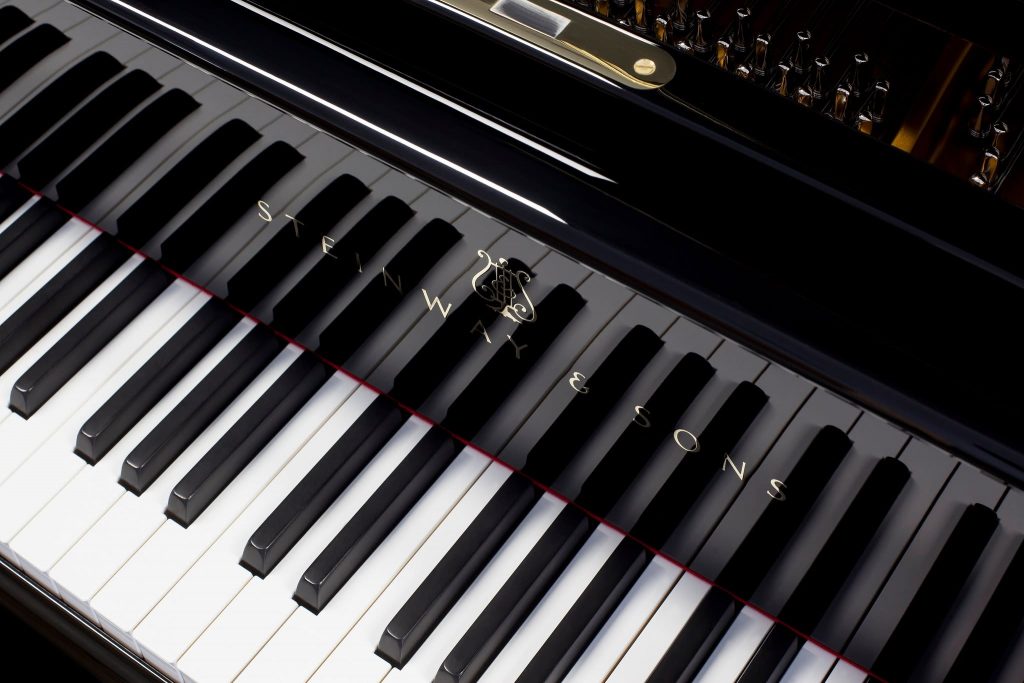
Hidden Defects and Pitfalls of Second-Hand Grand Pianos – What Should You Check Before Buying?
When purchasing a used instrument, special attention should be paid to the condition of the soundboard and the tightness of the tuning pins. Cracks in the wood can be expensive to repair and may negatively affect the tuning stability of the instrument.
It is advisable to bring a piano tuner who can assess the wear of the hammers and the condition of the felts within the action. In some cases, a low price results from moisture problems that have caused corrosion of the strings and metal components.
Before making a decision, it is worth submitting an enquiry form in order to consult the instrument’s technical condition with professionals in the industry. Avoiding mistakes during the inspection stage allows you to enjoy music without unexpected expenses in the future.
What Really Influences the Price of a Grand Piano – Brand, Materials, and Country of Origin
The price of an instrument is the result of many factors that determine its final value on the global market. Specific elements that influence the cost include:
- the type of wood used in the construction of the cabinet,
- the origin of the action and the quality of the keyboard,
- the complexity of decorative details and finishing,
- the prestige of the logo displayed on the lid.
This combination of factors determines how much must be paid for a musical instrument in a showroom. Musicians analyse these aspects before signing a purchase agreement in order to avoid disappointment after the instrument is delivered.
The Magic of the Brand – Why Do Steinway, Bechstein, and Bösendorfer Cost More?
Prestigious manufacturers build their reputation over decades, which is why the price of a Steinway grand piano commands respect. Buyers pay for heritage, carefully selected wood, and the countless hours of work performed by master craftsmen during production.
It is worth learning about the legendary sound of Bösendorfer in order to understand where such price tags come from. Likewise, the sound of a Bechstein serves as a benchmark for artists searching for perfection in music.
The durability of these instruments means that their value does not decline as quickly as that of less prestigious brands. Purchasing a legendary instrument is an entry into a world of excellence and a guarantee of satisfaction with every note produced.
A Restored Grand Piano – The Golden Mean Between Price and Quality
Choosing a restored model makes it possible to combine the charm of past eras with the reliability provided by professional restoration. The price of a restored grand piano is often attractive when compared with the cost of purchasing a completely new instrument.
It is possible to obtain an instrument with a unique appearance, featuring a heart built according to traditional methods of the past. It is worth becoming familiar with what a restoration service includes in order to understand the scope of the work carried out during the restoration process.
As a result, the buyer gains confidence that the action will perform flawlessly for decades to come. This solution is intended for people who appreciate history but do not wish to take the risk of purchasing an instrument in poor condition.
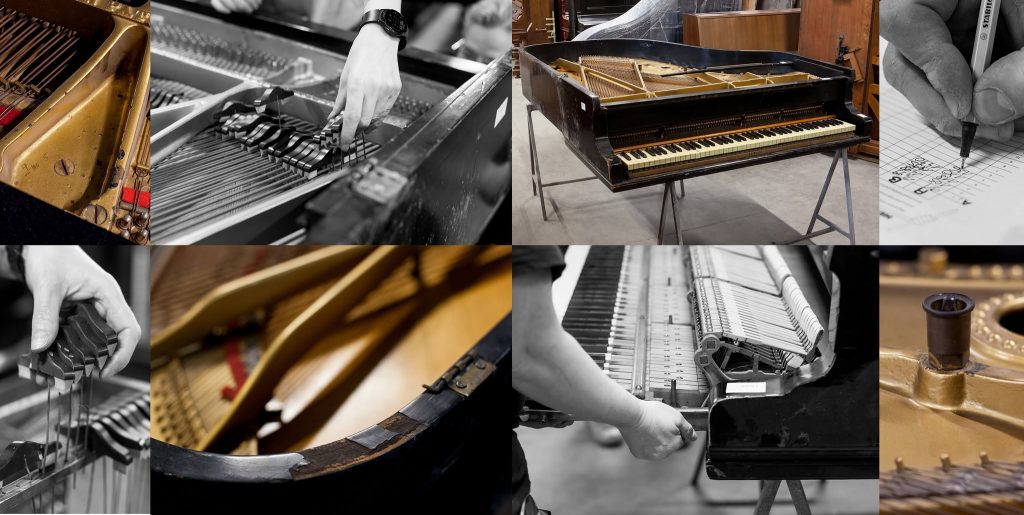
Why Can a Professionally Restored Instrument Surpass New Mid-Range Models?
Older instruments were built from wood that had been seasoned for many years, which directly affects the resonance of the cabinet.
Modern mass production often relies on materials with inferior characteristics in order to reduce manufacturing costs. A restored instrument retains the soul of traditional craftsmanship while gaining precision through the installation of new components.
Professionals are able to bring out the maximum potential of a structure, capabilities that are often lacking in inexpensive factory-produced models. Such a choice demonstrates respect for tradition and an understanding of the complexities involved in the construction of keyboard instruments.
The final result of the craftsmen’s work often impresses even the most demanding pianists in the world.
Owning a Grand Piano – Hidden Costs You Need to Remember
The purchase itself is only the beginning of the expenses involved. Additional hidden costs associated with owning a grand piano arise on a regular basis.
Every stringed instrument requires tuning, which should be carried out at least twice during each calendar year. Proper humidity control is also essential in order to prevent cracks in the wood, both inside and outside the instrument.
It is worth understanding what servicing Steinway instruments involves in order to prepare for the expenses related to maintenance. In addition, costs for accessories such as a piano bench or a music lamp should be taken into account.
The sum of these seemingly minor expenses affects the annual budget devoted to maintaining a passion for music.
How to Choose a Grand Piano Wisely Within Your Budget – Recommendations for Beginners and Advanced Players
Before visiting a dealer, it is advisable to determine your maximum budget and your expectations regarding tonal character. For people beginning their musical journey, a used instrument that has undergone a technical inspection is a sensible choice.
More advanced pianists should test the action, paying particular attention to repetition and keyboard touch. It should not be forgotten that safe transportation is an important stage that must not be underestimated when planning a purchase.
A well-chosen instrument will provide motivation for practice and become a source of pride for its owner for many years. Consultation with a music teacher or an experienced pianist can help in making the right investment decision.
Knowledge of the market and the factors influencing pricing helps avoid disappointment during the search process. Every instrument has its own characteristics, which must be aligned with the expectations and financial possibilities of the buyer.
Owning an instrument at home is an investment in personal development and in the beauty of the world around us. Analysing every aspect, from the brand to the technical condition, guarantees long-term satisfaction with the purchase.
Choosing the right instrument is the beginning of a wonderful journey through a world of sounds and emotions that music provides.