Choosing a standard instrument from a catalogue rarely satisfies the most discerning artistic and architectural requirements. When you sit at the keyboard, you want to feel completely at one with the action and to be captivated by the beauty of the tone. Every room presents different acoustic challenges, and every musician has their own physical approach to playing. An individual approach to building or restoring a piano therefore meets the growing expectations of those who appreciate exceptional design and craftsmanship. Understanding each stage of the process will help you discover how to create an instrument that feels entirely at home in your interior.
A bespoke grand piano — where does configuration end and true personalisation begin?
True personalisation begins when, instead of selecting ready-made catalogue options, you adapt the acoustic, mechanical and cabinetmaking specifications to your own needs. Standard factory configuration usually means choosing a lacquer colour from the manufacturer’s basic palette or selecting one of two available pedal designs. A bespoke grand piano, by contrast, grows out of a detailed dialogue with master craftspeople. You can decide on the resistance of the keys, the characteristics of the hammer felt and the distinctive grain of fine timber. A personalised grand ceases to be simply a factory product, becoming a unique extension of your artistic sensibility.
The pianist and the space come first — what information is needed before an instrument is designed?
Design should begin with detailed information about your playing technique, repertoire and the acoustics of the room where the piano will stand. The makers need to understand the room’s volume, flooring and the amount of furniture in the living room or auditorium. A private music room calls for very different technical solutions from a grand piano in a public space, where sound must travel considerable distances and the instrument must withstand intensive use. Using this information, specialists decide how to voice the piano so that it avoids boominess and remains clear across its range. This helps ensure that your bespoke grand sounds in your interior just as you expect.
Personalising the action and keyboard touch
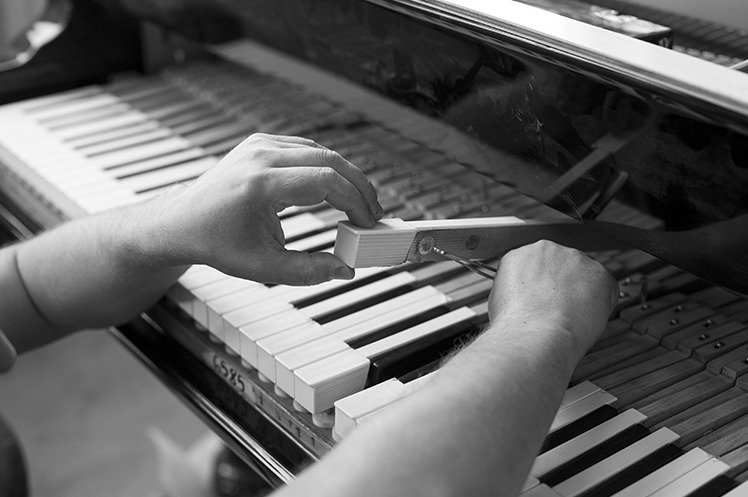
Adapting the action and touch means adjusting the physical parameters of the entire system of levers to the anatomy of your hands and your preferred playing feel. Factory settings are a compromise intended to suit thousands of pianists worldwide, so they rarely meet every specialist requirement of a virtuoso. When you commission a premium grand, a professional workshop can prepare an action tailored precisely to your playing technique. Such careful keyboard personalisation can eliminate unnecessary wrist tension during long practice sessions. With individual adjustments, the instrument responds immediately to even the slightest impulse from your fingertips.
Regulation, touchweight, repetition and dynamic response
Correct balancing of individual components with lead weights determines how light or firm each register feels under the fingers. Precise adjustment of the backchecks and repetition springs allows the hammer to return rapidly to its ready position without the key having to be released fully. This enables dense tremolos and rapid passages without the risk of missed or choked notes. The dynamic response is calibrated to make both the softest pianissimo and a powerful fortissimo easy to control. Every part of the wooden action works in harmony with your musical intentions, giving you complete interpretative freedom.
Personalising the tone — what can voicing achieve, and what requires structural changes?
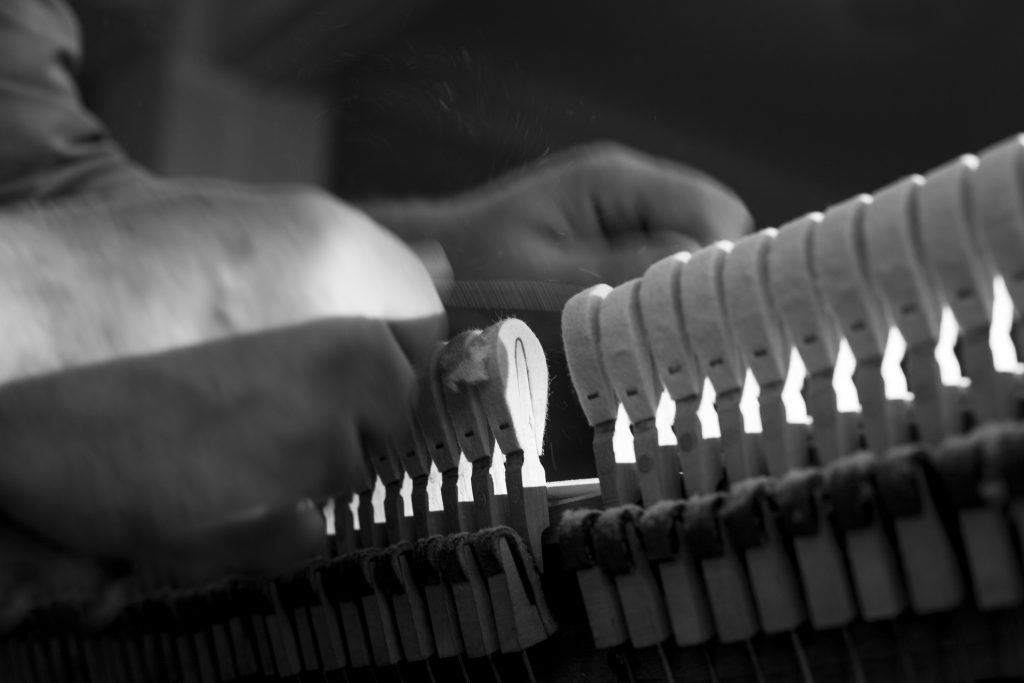
Voicing can shape the tone from dark and velvety to bright and projecting, but it cannot overcome the physical limits imposed by string length or soundboard design. The voicer works with special needles to soften the hammer felt’s wool structure and round off the attack. If you prefer a more clearly defined sound, the technician can harden the felt using specialist chemical preparations. However, tonal personalisation cannot replace the soundboard’s inherent acoustic qualities or the geometry of the bass bridges. The final result is a harmonious dialogue between the nature of the tonewood and the technician’s highly trained ear.
The case as part of the design — colour, sheen, veneer and cabinetmaking details
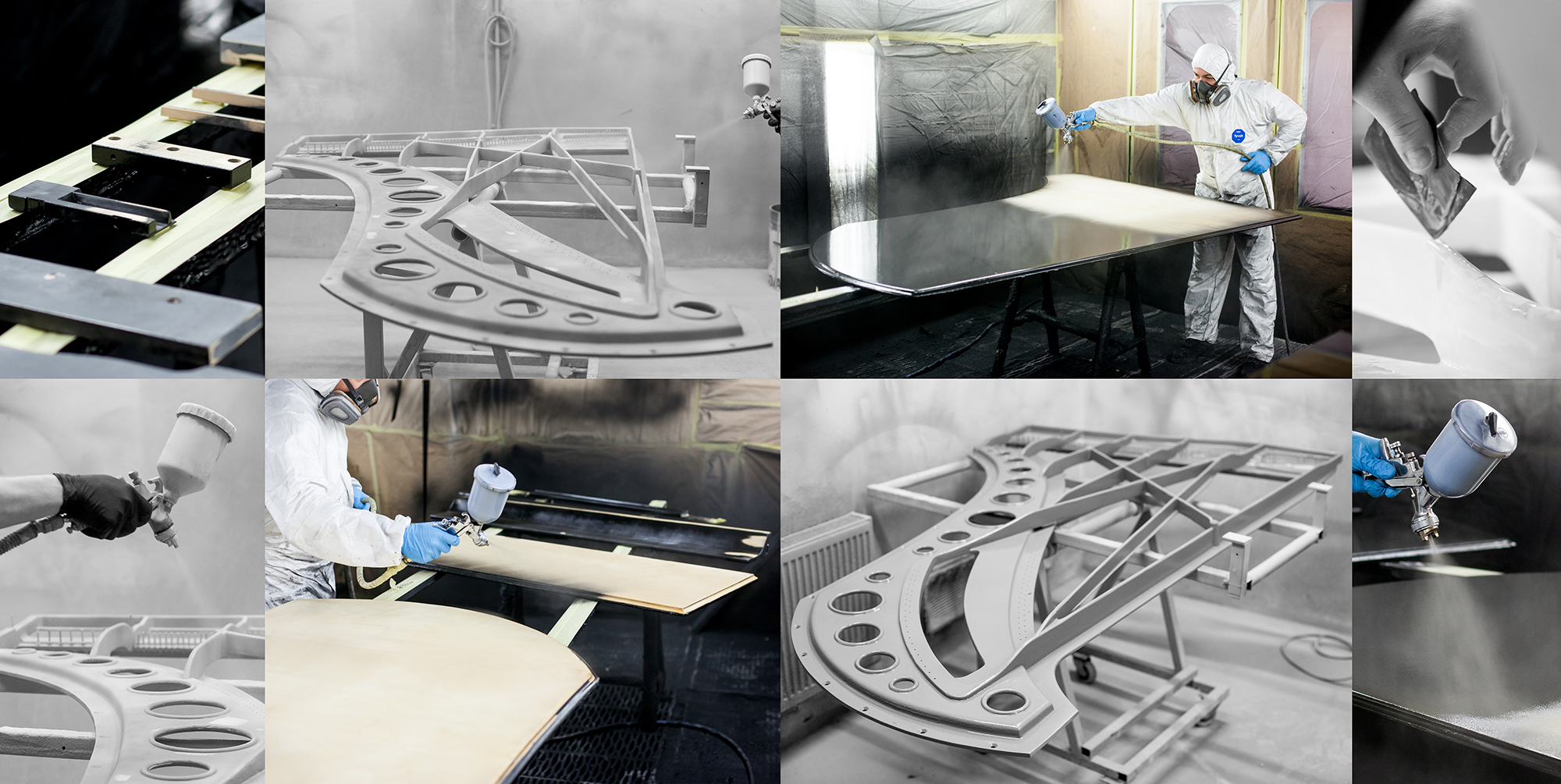
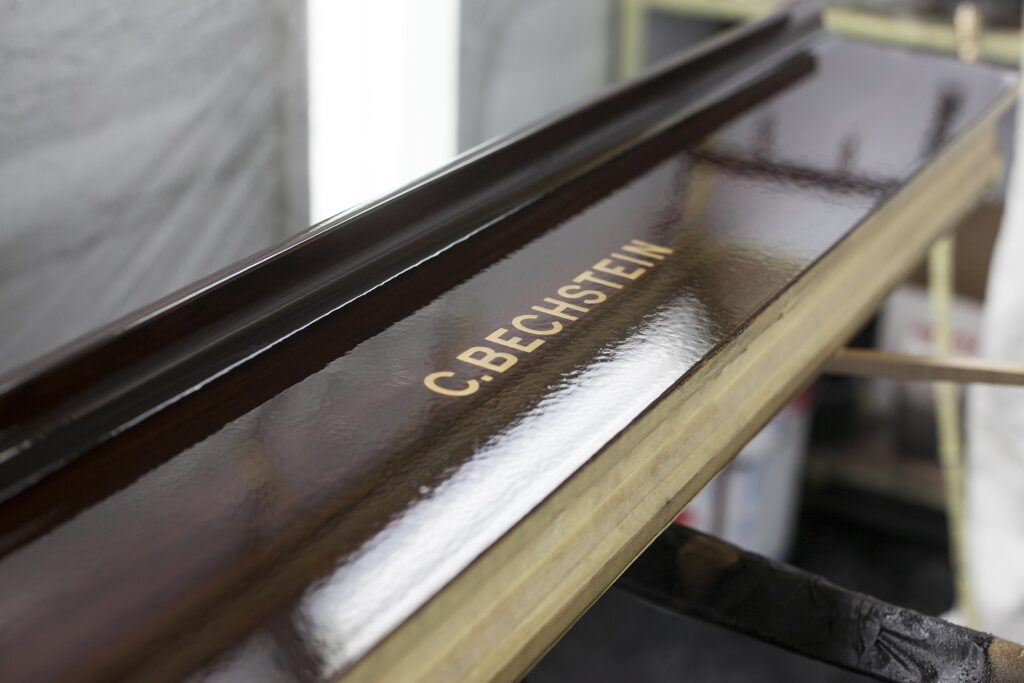
The instrument’s exterior complements the interior, combining fine cabinetmaking with a protective enclosure for the piano’s acoustic heart. You can select a piano colour from a palette that suits the style of your living room. Fine veneer gives the instrument a distinctive character, revealing the unique grain of walnut, rosewood, mahogany or burr wood. Specialist carving and finishing are carried out by the workshop’s casework department, with care devoted to every leg profile and music desk contour. A personalised finish can range from a deep polyester gloss to a subtle satin sheen.
When does a personalised finish enhance the design, and when is a classic form the better choice?
Individual details enhance the design when they harmonise with the interior, while classic black is particularly well suited to traditional settings and concert halls. A traditional French polishing workshop keeps historic methods alive, applying shellac by hand, layer after layer, to create exceptional depth. Bold cabinetmaking details and artistic marquetry work beautifully in contemporary interiors. When planning the appearance, consider the following finishing possibilities:
- Rare veneers with natural grain patterns on the lid and case sides.
- Hand-applied shellac French polish for a deep, warm lustre.
- Fine gilding on the cast-iron frame, brass fittings and pedals.
- A bespoke design for the pedal lyre, legs and pierced music desk.
This approach turns the instrument into a unique work of functional art, impressing guests before the first chord is played. The final choice depends on whether the piano should be the focal point of the room or blend discreetly into its existing design.
The grand piano as part of the interior — proportions, light and placement
An instrument becomes part of the interior architecture when its dimensions are balanced with the room’s volume and its exposure to light is carefully planned. A piano that is too large can overwhelm an intimate living room and create unpleasantly boomy bass, while one that is too small may look lost in a spacious loft. Keep the case out of direct sunlight and away from heat sources. Orienting the open lid towards the audience helps distribute sound throughout the room. Thoughtful placement allows the elegant form to draw the eye and brings music to the centre of the living space.
Alaudis: an individual approach to model, character and finish
The Alaudis brand exemplifies how traditional restoration skills can be combined with an uncompromising approach to designing an instrument of distinctive character. In developing its own grand piano, Alaudis redefines standards of luxury and personal dialogue with the discerning pianist. The official website, alaudis.eu, explains the philosophy behind these remarkable instruments. To explore the available visual and acoustic options, discover the models and their meticulous attention to every technical detail. Each instrument from the workshop is created for those seeking purity of sound and design that moves beyond convention.
How does commissioning a premium instrument work, from consultation to delivery?
Commissioning a top-class instrument begins with an in-depth discussion of your musical and visual expectations, followed by design, component selection, handcrafting and final tuning in your home. First, specialists assess the intended space and help you choose the appropriate case length. The craftspeople then select materials, balance the action precisely and apply the chosen finish. If you are planning your own instrument, direct contact with the maker’s advisers will help you define every technical detail. The process culminates in several stages of voicing, specialist transport and installation, and final tuning at the destination.
Choosing an instrument tailored to your needs is a fascinating journey that combines a passion for music with an appreciation of fine design. You receive a piano created to your specifications, bringing the pleasure of effortless playing year after year. Harmony between the room’s acoustics, the action and the appearance of the case creates a coherent whole of exceptional artistic value. Living with such a carefully crafted instrument turns everyday music-making into a deeply rewarding aesthetic experience. Allow yourself the luxury of a work made by master craftspeople, destined to grace your home for generations.