Choosing a grand piano of the highest calibre is like finding a partner for a lifelong artistic dialogue — a process that cannot be reduced to browsing glossy brochures. Technical specifications and the reputation of the maker provide a general picture, but an instrument reveals its true nature only through direct experience in an acoustic space. Every masterfully crafted piano has a unique character, a particular keyboard resistance and an individual palette of tonal colours that even the finest studio recording cannot fully convey.
Buying a premium grand begins before the showroom visit — which needs should you define?
Before entering a showroom, establish exactly what role the instrument should play in its future owner’s life and understand the player’s musical sensibility. A discerning pianist assesses their technical level, preferred action resistance and the type of touch that allows comfortable playing without fatigue. The floor area and volume of the intended room must also be considered, because its acoustics determine how the sound carries. Understanding how to buy a premium grand helps prevent the disappointment of an impulsive, emotionally driven purchase. This preliminary assessment protects against choosing an instrument that is too loud or whose action is unsuited to the player’s hands.
The pianist, repertoire, intensity of use, space and budget
Bringing together the player’s profile, repertoire and financial resources creates a practical framework for finding the ideal model. A sensitive interpreter of Impressionist works will seek a delicate, pastel palette of overtones, while a lover of large-scale Romantic forms needs a dynamic attack and deep bass. Planned daily practice time is equally important, calling for components with greater resistance to mechanical wear. When deciding which grand piano to buy, balance the available space against the budget and allow for regular tuning and maintenance. The overall cost should include not only the instrument itself, but also the acoustic preparation of the room.
New, restored or individually built? Three different routes to ownership
Choosing between a factory-new piano, a historic instrument restored by master craftspeople and a bespoke creation means taking very different approaches to tone. New instruments offer predictability and tuning stability, which are important considerations when weighing up a restored grand piano versus a new one for daily use. A restored grand, on the other hand, captivates with the quality of mature, naturally seasoned tonewood rarely found on mass-production lines. For many connoisseurs, the choice between new and pre-owned favours distinctive instruments from earlier decades, with their uniquely expressive tone. Individually commissioned pianos offer a third route, combining traditional craftsmanship with bespoke visual modifications.
The brand and model are not enough — why must you assess the individual instrument?
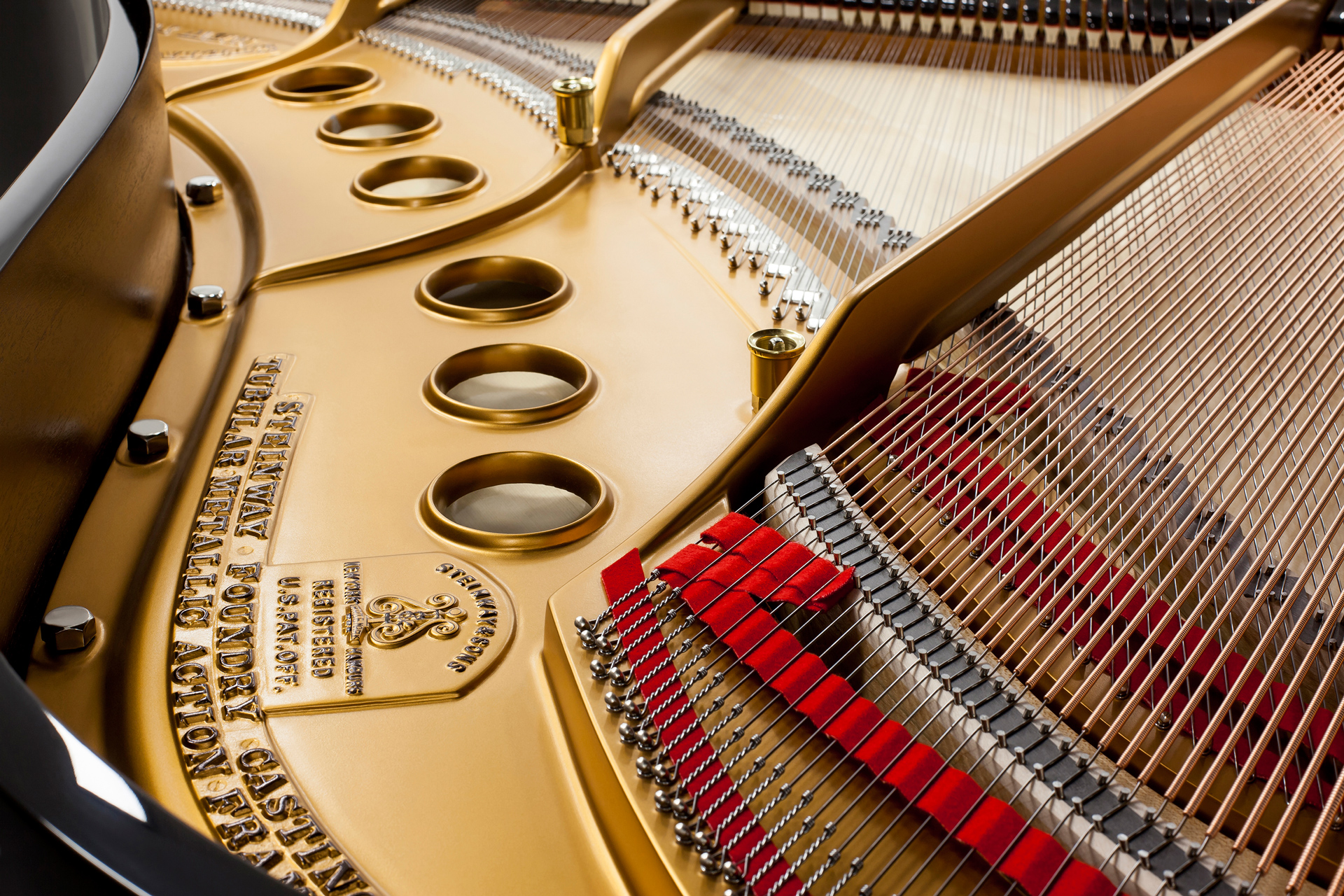
A brand name and catalogue designation alone cannot guarantee the result you want, because every grand piano is made from natural materials and finished individually. The spruce used for the soundboard is an organic material whose growth-ring density varies from one square centimetre to the next. Hand-voicing the hammer felt can give one instrument a pearly, bright sound and another a dark, velvety foundation. Why does a restored Steinway, Bechstein or Bösendorfer retain its value better than a new mid-range instrument? Experts point to the distinctive character of the individual piano behind each serial number. Judging an instrument solely by the logo on the fallboard can be a fundamental error of musical judgement.
The first playing test — what should you listen for and feel under your fingers?
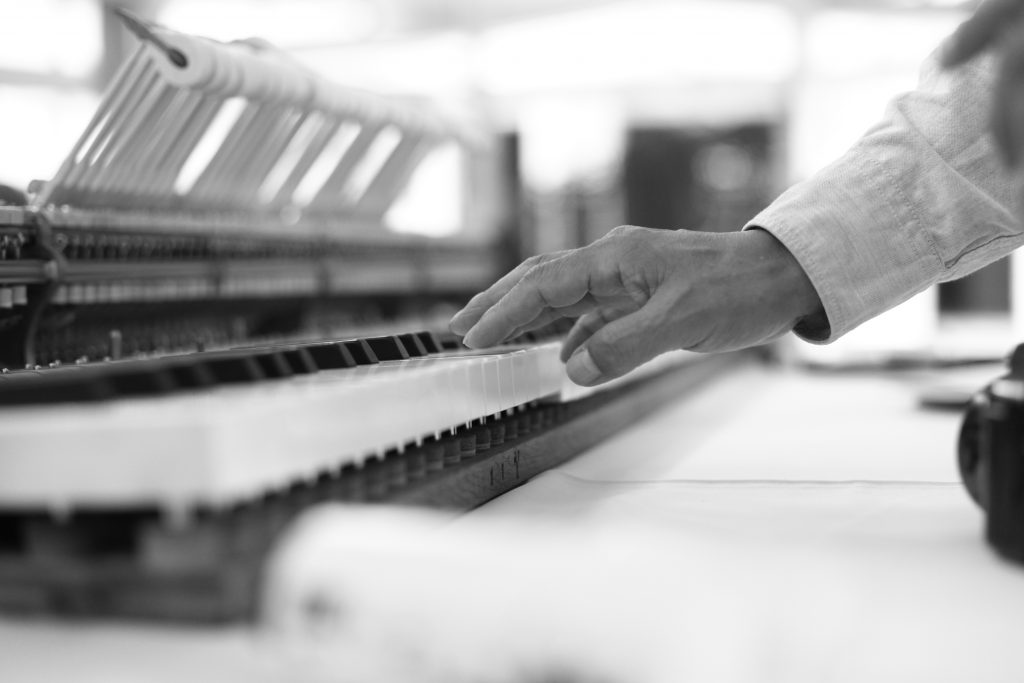
When you first play, set aside thoughts about the brand and listen to the strings’ immediate response to the movement of your fingertips. Play simple scales to check that the keys feel smoothly and consistently balanced across the keyboard. A premium grand must respond to the smallest change in touch, giving a sense of complete control over the beginning and end of every note. Listen for a clean sustain, making sure the tone does not fade prematurely in the middle register. A proper test requires concentration in a quiet room, away from background noise and other instruments being played nearby.
Pianissimo, repetition, evenness between registers, pedals and dynamic control
An instrument’s ability to carry a singing phrase at the softest dynamic without failed attacks reveals its true concert quality. The pianist should test the action in the following areas:
- Control at the quietest dynamic levels and the precision of the double-escapement action during rapid repetitions of the same note.
- Smooth transitions from the bass through the upper registers to the highest treble, with consistent tonal colour.
- The sustain pedal’s travel and the effectiveness of damping individual overtones without unwanted mechanical noise.
- The precision of the una corda pedal in changing tonal colour, rather than simply reducing volume.
Such a thorough hands-on assessment establishes whether a particular concert grand can meet the technical demands of virtuoso playing. Every component should work silently, allowing complete freedom to build layered musical narratives. A precise action gives the fingers reliable support, even in the most challenging passages. Even keyboard resistance allows the hands to remain free and comfortable throughout long practice sessions. A correctly regulated repetition mechanism immediately returns the levers to readiness for the next hammer strike.
Instrument size and the room — when is a larger grand not the better choice?
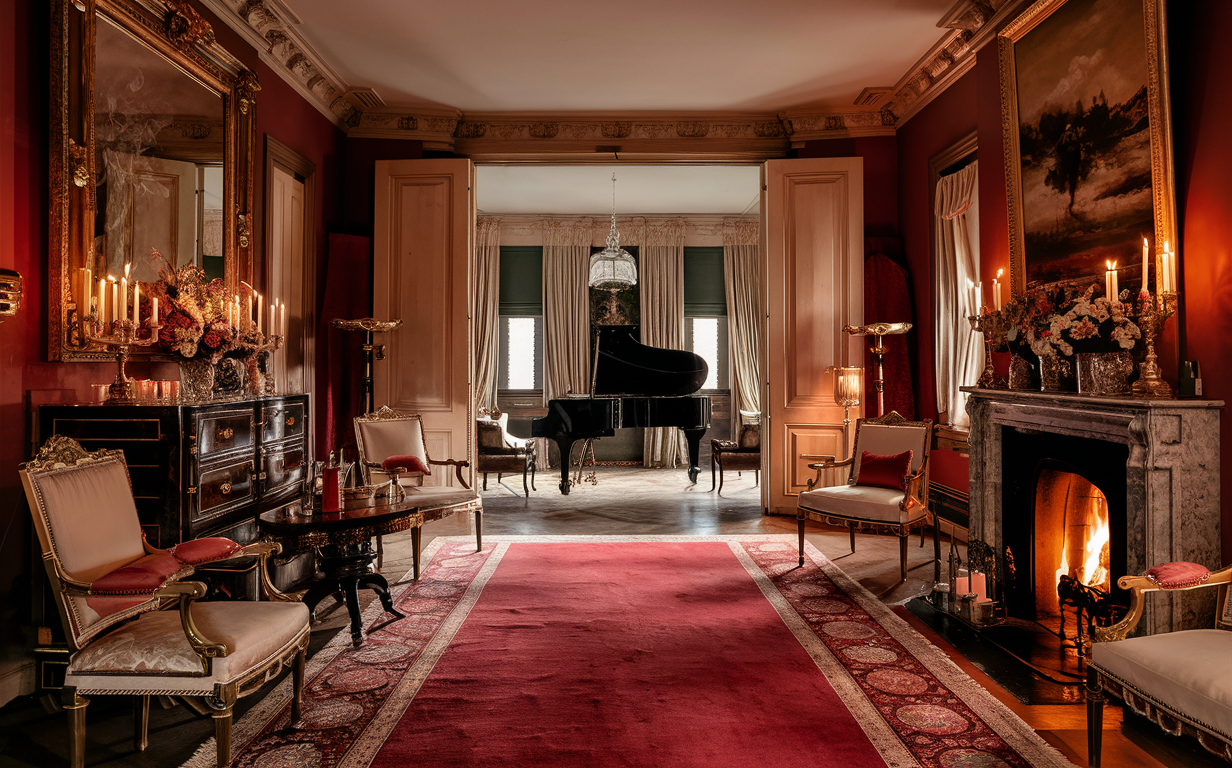
An oversized instrument squeezed into an intimate living room will quickly produce boomy bass and listening discomfort for the household. Long strings generate a powerful acoustic wave that, without sufficient room volume, reflects from hard walls and blurs the clarity of polyphony. When planning a grand piano for the home, assess the available space realistically and consult the guide How much does a grand piano cost? A guide to prices and hidden costs. Sometimes a smaller parlour model of around 180 cm creates a far more harmonious musical setting than a powerful concert grand. A well-balanced sound in a suitable room will always be preferable to the unused, tiring power of an oversized instrument.
A technical assessment before buying a used or restored grand piano
An independent inspection by a qualified piano technician is the most reliable protection against costly hidden defects. The specialist removes covers, examines the pinblock and measures tuning-pin torque, which is essential to tuning stability. A detailed pre-purchase grand piano assessment is needed to rule out cracks in the cast-iron frame or detached soundboard ribs. A properly conducted inspection helps you avoid an instrument that is worn out or has been repaired with low-quality replacement parts. It also provides a sound basis for any price negotiations with the seller.
Restoration records, warranty and instrument history — what should you ask the seller to provide?
A professional restoration workshop should provide a complete technical record, with a detailed list of replaced parts and photographic documentation. Reputable workshops specify the origins of felts, strings and hammers, confirming the authenticity of the components used. It is useful to know which brands retain their value on the second-hand market and to choose established makers with a documented heritage. When viewing instruments for sale, request a written warranty lasting several years and covering both the soundboard and the entire action. A clear ownership history and legible factory markings eliminate the risk of buying an instrument of questionable provenance.

Transport, acclimatisation and the first tuning — costs and responsibilities that are easy to overlook
Safe transport requires a qualified team with a specialist trolley, straps and the expertise to protect the instrument’s delicate structure. Once delivered to its intended room, the piano must undergo an acclimatisation period of two to four weeks. During this time, the wood and action components adjust to the humidity and temperature of their new domestic environment. Tuning immediately after delivery is premature, because material stresses settle only once the surrounding conditions have stabilised. It is also worth considering a humidity-control system to protect the soundboard from cracking during the heating season.
Buying an Alaudis — when should you move from choosing a finished instrument to an individual consultation and configuration?
An individual configuration is an exceptional choice when standard finishes do not meet a sophisticated vision for the interior. The buyer can influence every aesthetic detail, selecting rare veneers, inlays or bespoke lacquer finishes. In this segment, SAP Alaudis offers uncompromising solutions that combine outstanding acoustics with personalised design. Modern technology makes it possible to assess how the instrument will fit into a room using Alaudis AR Experience, removing uncertainty about its scale. This is an ideal option for those who see the piano both as a musical instrument and as the central work of art in an elegant living room.
How can you make a choice that will still be right in 10 or 20 years?
A lasting choice means selecting an instrument whose action will remain serviceable and capable of precise regulation through decades of intensive use. Choose well-established makers that ensure continued access to original replacement components in the years ahead. When planning a grand piano purchase, discuss your impressions with an experienced concert pianist or a trusted tuner. Direct contact with an expert can be especially helpful in identifying subtle construction details that affect the wood’s durability. Understanding how to choose a grand piano rewards you with the daily pleasure of a sound that transcends passing fashions.