Piano restoration is a process far deeper than replacing worn components or improving the appearance of the cabinet. If you play and truly listen to your instrument, you know that the final result depends on a series of decisions made at many different stages of the work. This text breaks piano restoration down into its fundamental elements – without simplifications or marketing clichés, but from the perspective of craftsmanship, acoustics and workshop practice.
Where does master-level piano restoration begin?
True piano and grand piano restoration does not begin at the workbench or the keyboard, but with a thorough, multi-stage diagnosis. This is the moment when decisions are made that cannot later be reversed.
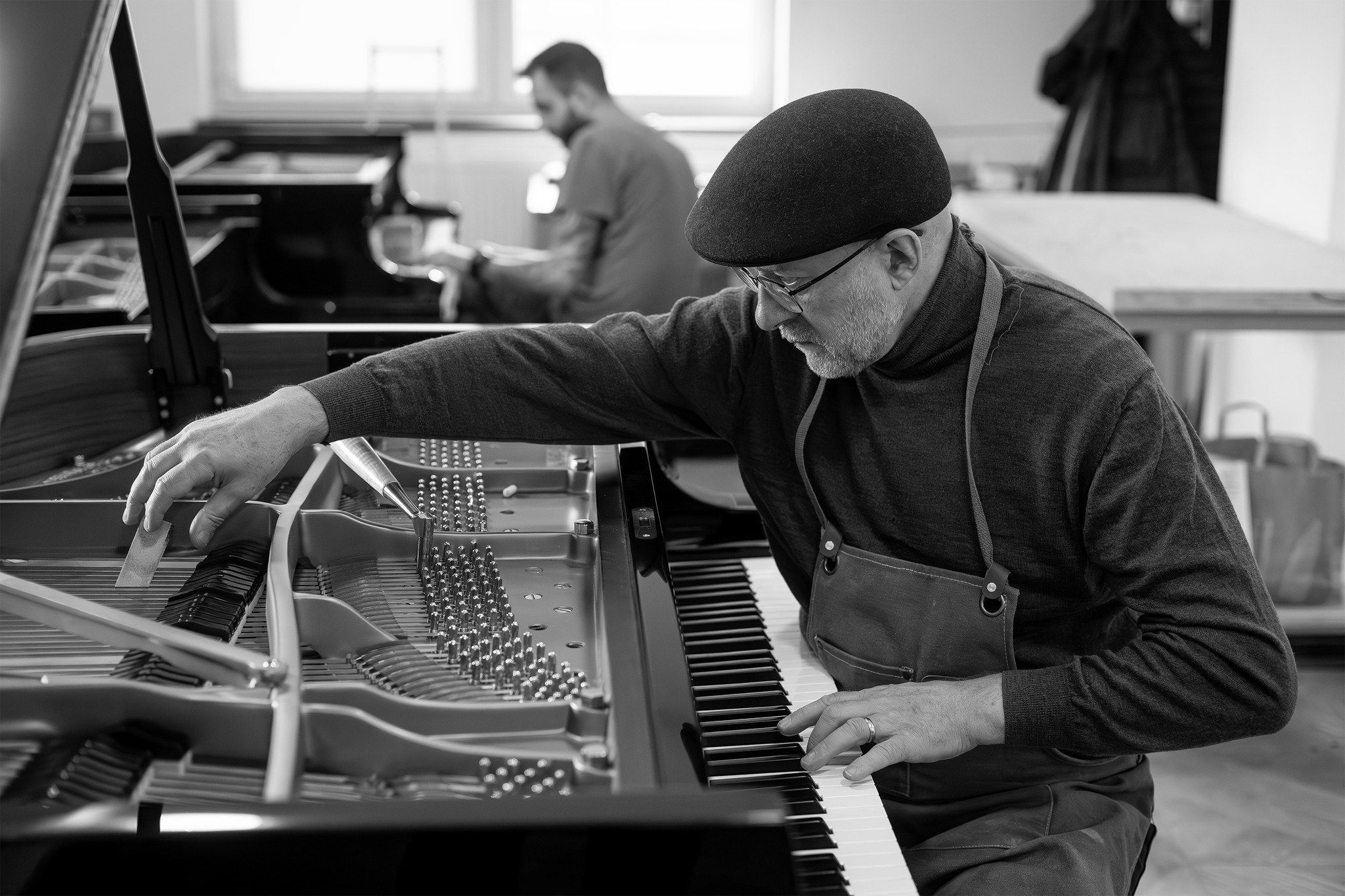
Why expert assessment is crucial – and how it determines the scope of work
An experienced craftsman evaluates not only mechanical wear, but also:
- the condition of the soundboard and bridges,
- the geometry of the cast-iron frame,
- the originality of structural components,
- the history of previous repairs.
This is where the key decision is made: repair versus restoration. Repair addresses symptoms. Restoration addresses causes.
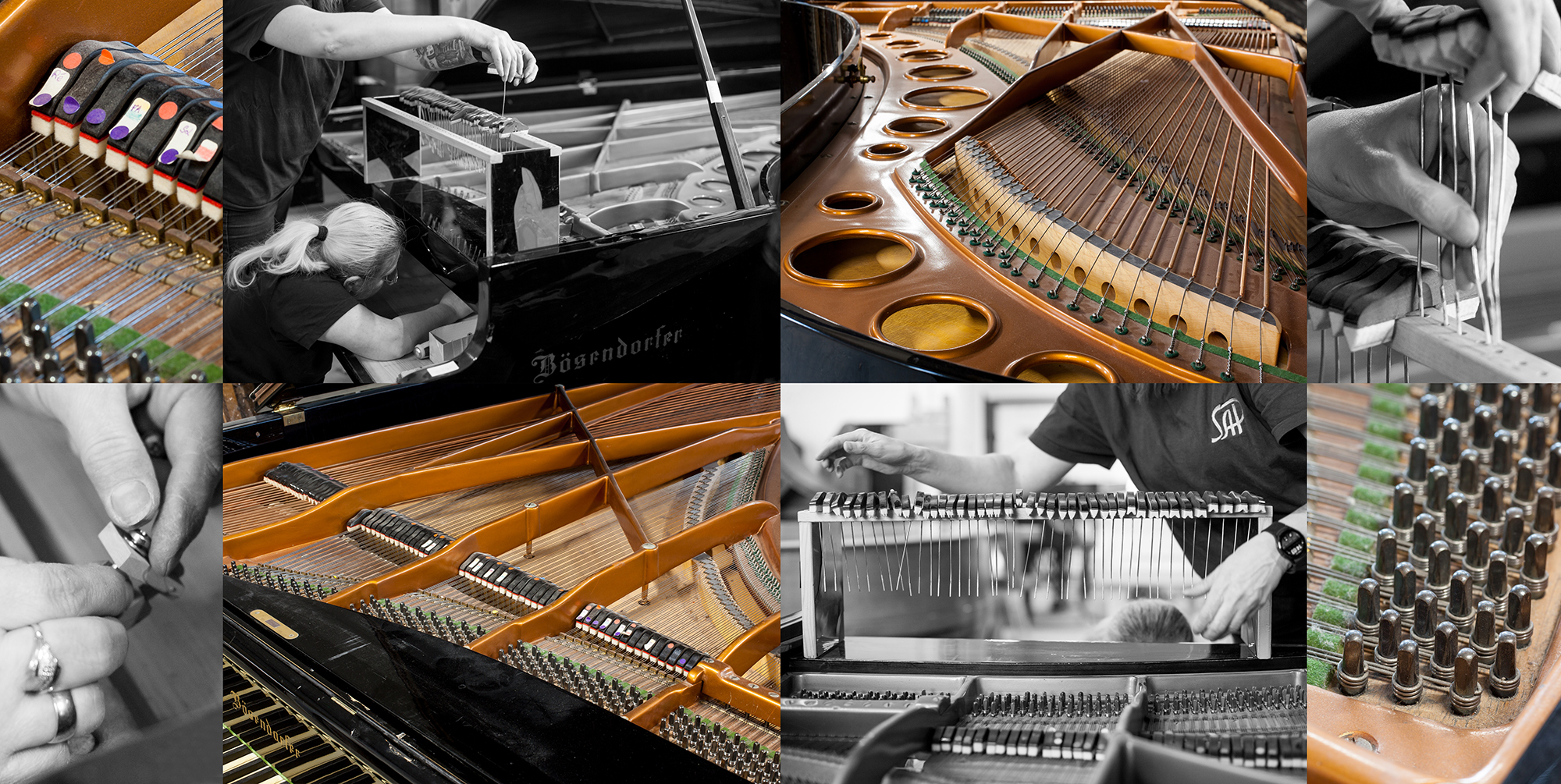
Preserving originality and historical value
When dealing with historical instruments, understanding the principles of heritage piano restoration is essential. Original action proportions, string scaling, hammer character and finishing techniques directly affect both sound and value. Excessive modernisation can permanently destroy an instrument’s identity.
Materials that create the magic – what true craftsmen use
High-quality restoration cannot exist without high-quality materials. Hammer felt, leather, resonant wood and string wire must be selected individually for each instrument.
Material choices influence:
- sustain and resonance,
- tuning stability,
- resistance to humidity changes,
- the character of tone attack.
In practice, two visually similar pianos can sound completely different after restoration – precisely because of material selection.
Action as precise as fine watchmaking
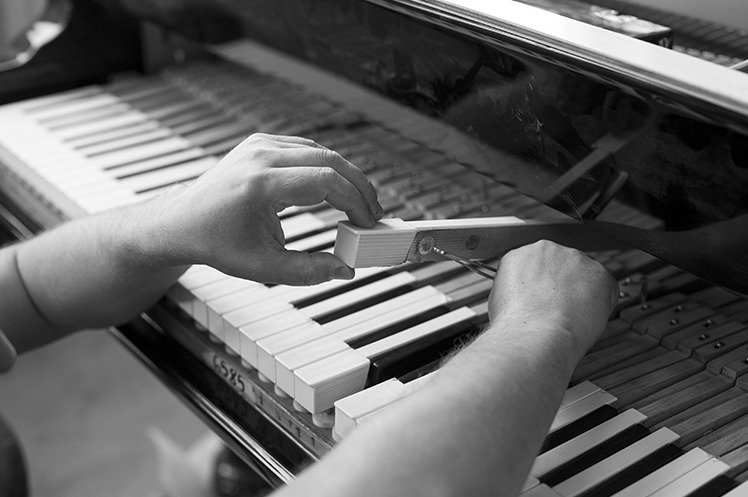
Top-level piano restoration requires flawless action regulation. There is no room for shortcuts.
Regulation, voicing and tone shaping form a long-term process, including:
- escapement point adjustment,
- precise keyboard weighting,
- gradual shaping of hammer felt.
The result is not merely a “pleasant sound”, but full dynamic control.
Resonance that brings the piano to life
The soundboard is the heart of the instrument. Even a perfectly regulated action cannot save a piano if resonance is weak or unstable. Professional restoration often involves complex structural repairs of resonant wood, not just cosmetic refinishing.
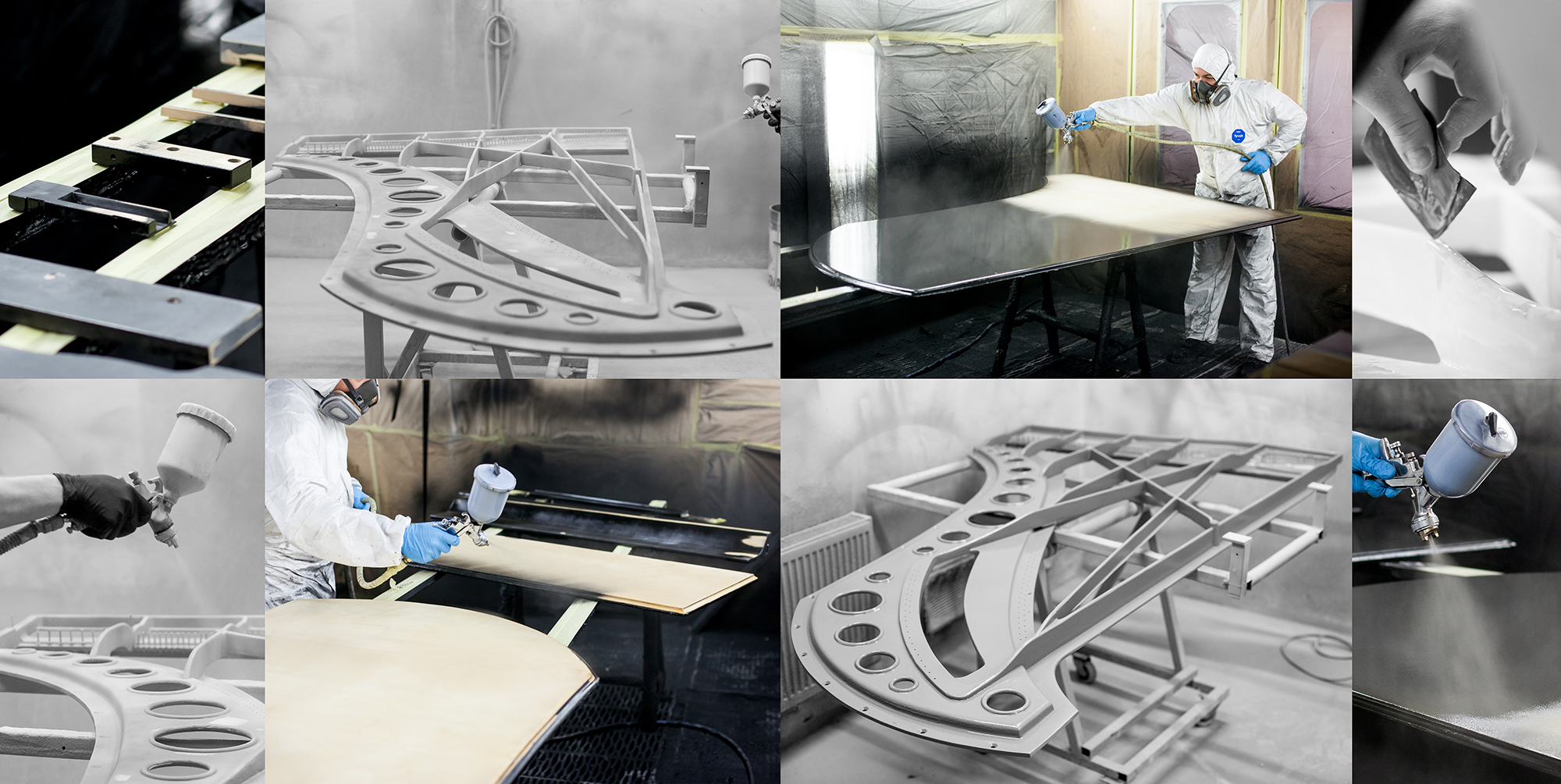
The finishing workshop – where the cabinet regains its brilliance and the instrument its soul
Cabinet finishing goes far beyond aesthetics. Traditional polishing workshops work by hand, layer by layer, often using techniques shared with bowed string instrument making.
Historical instruments may also require specialist goldsmith work – decorative elements, inscriptions, cast-frame ornaments or music desks.
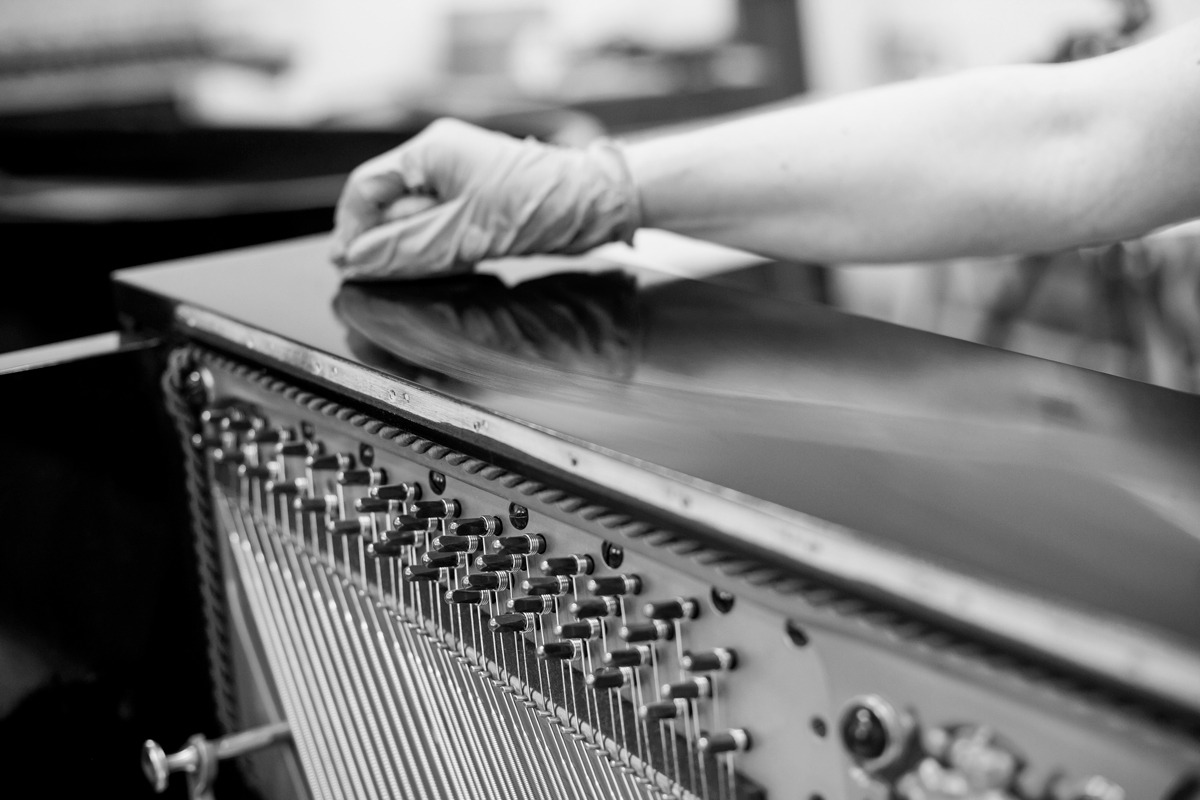
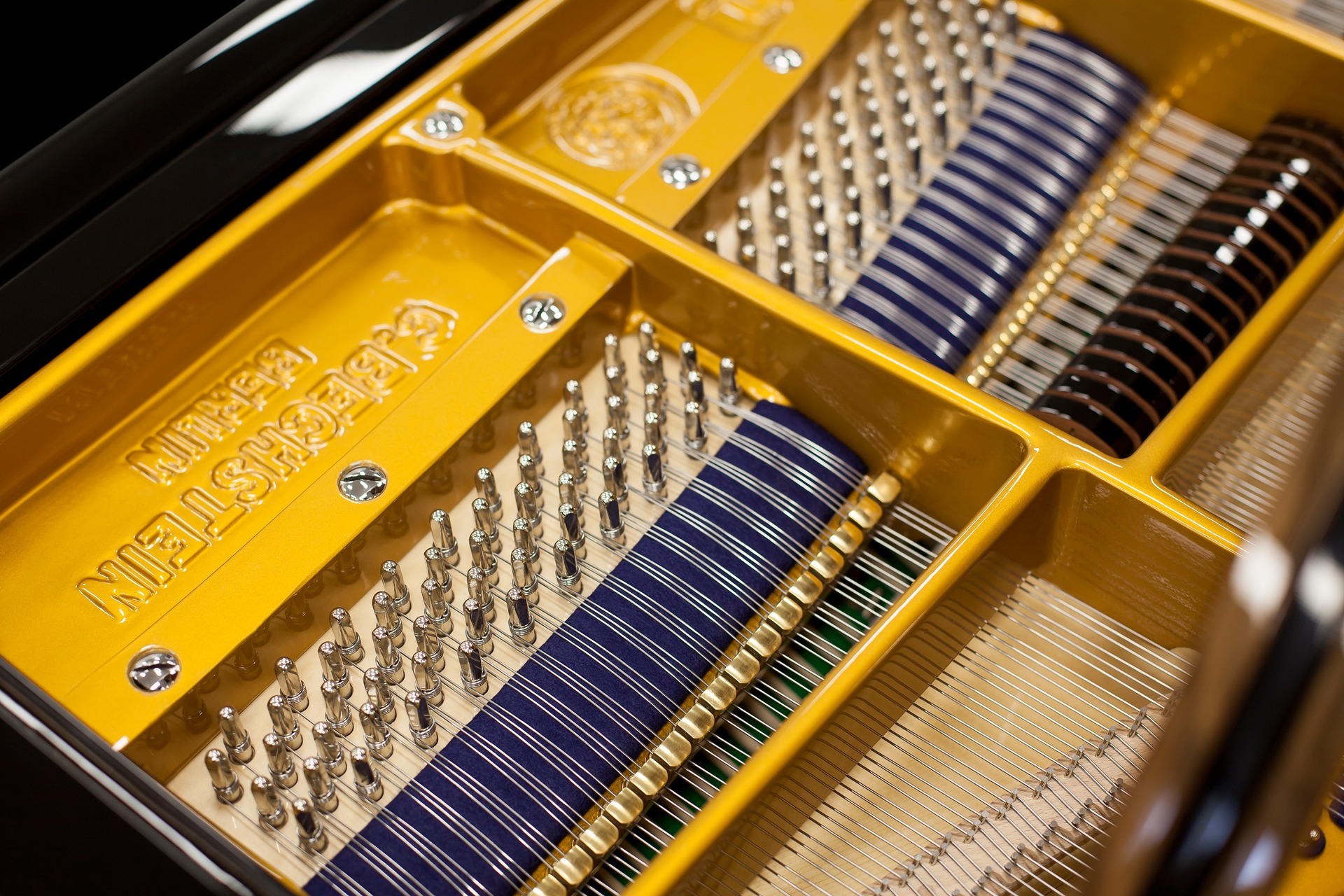
Cast-iron frame restoration – structural strength requiring knowledge and respect
The cast-iron frame supports several tonnes of string tension. Its restoration is not cosmetic but structural.
Professional frame restoration includes micro-crack inspection, correction of string contact surfaces and anti-corrosion protection – forming the foundation of long-term tuning stability.
The master craftsman – the invisible hand behind the result
Ultimately, quality depends on the human factor. A master piano restorer combines technical expertise with musical sensitivity and patience. They understand how long restoration should take in each individual case and how to coordinate specialised workshops when teamwork is required.
A comprehensive restoration programme illustrates this clearly: every stage serves one purpose – restoring the instrument’s true voice.
Piano restoration is a dialogue with the instrument’s history. When done properly, it does not improve the piano – it allows it to speak its own language once again.