
You are probably wondering whether choosing a specific model for a child’s room is a whim or a real need resulting from the curriculum. Choosing the right working tool for a young artist is a task that can keep many a parent searching for the ideal awake at night. You must understand that technical parameters that work well in the quiet of a bedroom rarely pass the test in an intensively used practice room. Your goal is to find a balance between beautiful sound and durability that will withstand years of daily, many-hour practice sessions. Below you will learn what to pay attention to so that your decision supports the development of passion rather than becoming a source of unnecessary frustration.
Two worlds – different needs, different instruments
The choice between a home instrument and a school instrument depends primarily on the planned load on the mechanism and on the conditions in your room. The privacy of the home gives you greater freedom in selecting a sound color that is meant above all to please your ear during evening sessions. In educational institutions, however, what matters most is how the instrument for learning to play will withstand constant technical passages and strong hammer strikes. If you want to explore the subject of construction differences, check piano or grand piano – choose the ideal one for yourself. You need to know that the action at school is put to a test that salon instruments can only dream of. Remember that the grand piano for the home or music school you choose will directly influence your child’s playing technique.
A grand piano for the home – comfort, aesthetics and compromises
An instrument intended for private use should above all harmonize with your living space and not overwhelm household members with excessive power. You are often looking for an object that will look noble in the living room, so it is worth viewing our work to see how restored examples change the character of an interior. At home, you rarely practice eight hours a day, so you can allow yourself a slightly more delicate construction with a warm sound. However, you must remember that aesthetics cannot dominate technical efficiency, because what grand piano to buy determines the student’s musical future. When choosing a model for a room, you also take its dimensions into account in order to maintain freedom of movement and proper air circulation.
Volume and room acoustics
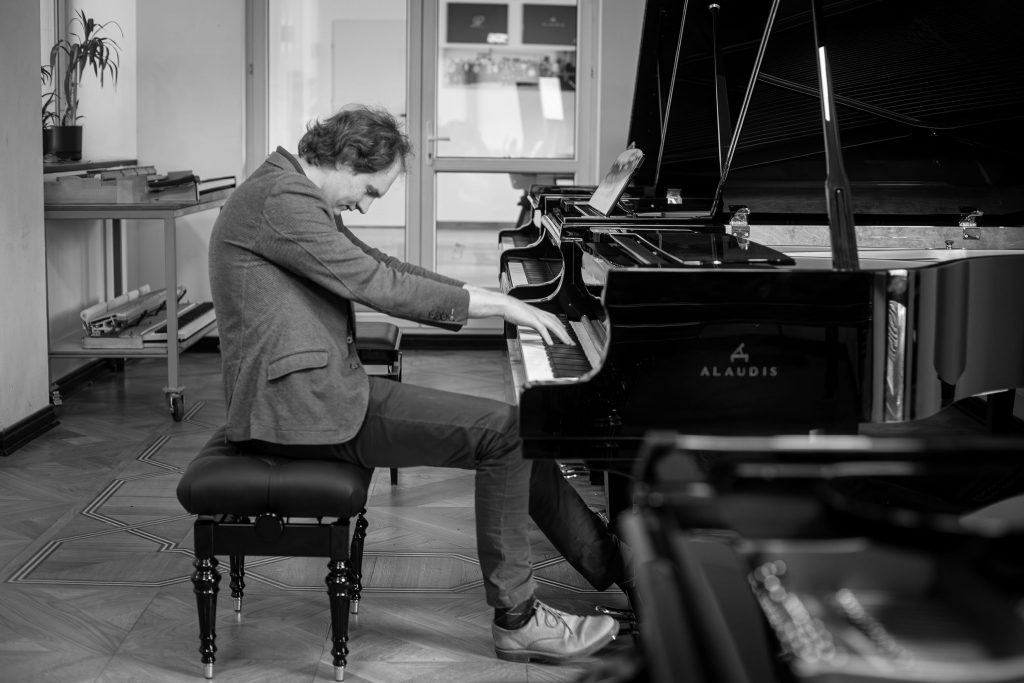
In a smaller apartment, you must pay attention to how the sound reflects off the walls and whether it will be too aggressive for the surroundings. An instrument that is too large in a small room will make the student quickly feel listening fatigue, which will discourage them from further systematic practice. You can consider installing silencing systems or simply choose a model with a shorter string scale, matched to the volume of the interior. It is also worth reading about how the price of a piano determines quality, because sometimes a more expensive model offers better dynamic control. Your ears will thank you for choosing one that allows playing in true piano without losing depth of tone.
Size and construction
The dimensions of a home grand piano often impose certain construction limitations that you must accept while taking care of the available floor area of your property. Cabinet models are a great solution combining noble action with a compact size that will fit in most standard living rooms. If you are wondering about construction differences, the text discussing upright piano vs grand piano – the most important tips will be helpful. Remember that even a smaller acoustic instrument has a soul that cheaper, plastic electronic substitutes lack. A well-chosen construction will serve you for decades, provided that you take care of stable humidity in the place where it is positioned.
A grand piano for a music school – intensity and durability
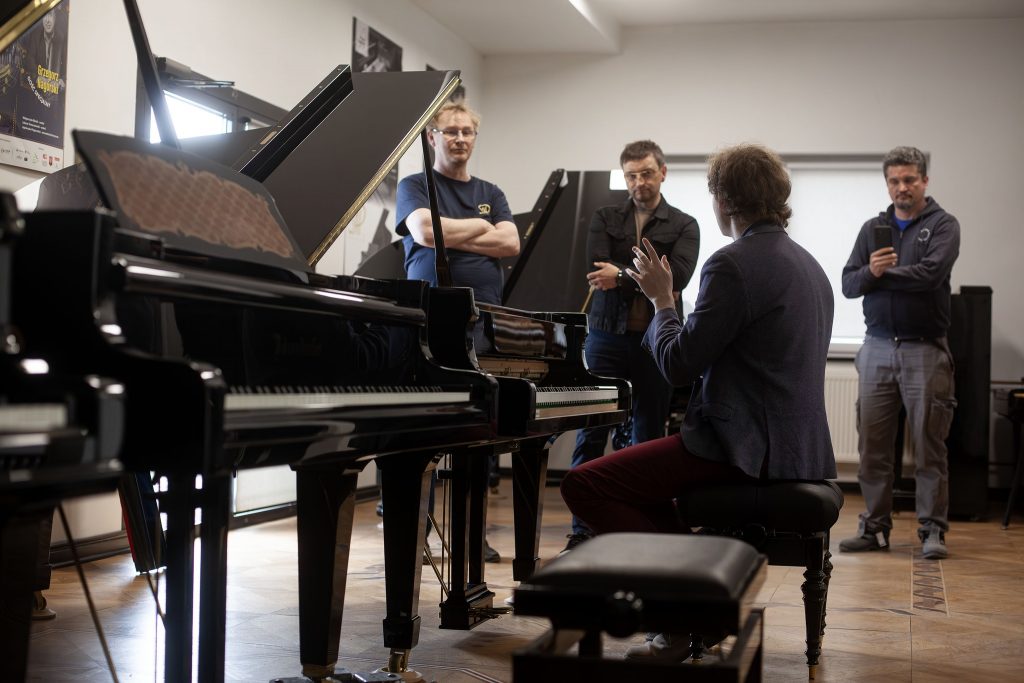
Instruments going to music schools must be characterized by extraordinary resistance to physical wear and by an exceptionally precise action response to touch. In such places, a piano for a music school works almost without interruption, passing through the hands of dozens of students at different levels of advancement. The construction must withstand enormous string tensions and constant strikes, which is why cast-iron frames and pinblocks must be made from the best materials. If you are facing the choice of the first serious piece of equipment, check the article about what to buy when a child has been admitted to music school. Durability is an absolute priority here, because every failure takes a room out of use for many days, disorganizing the work of teachers.
Action resistance
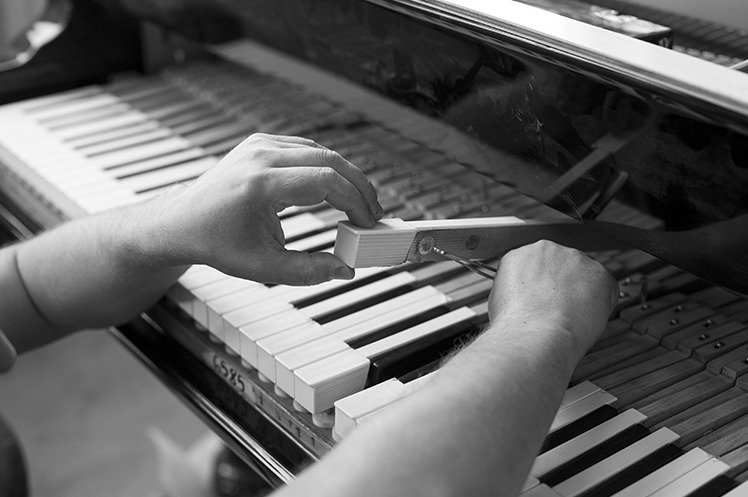
Schools need instruments whose mechanism will not become deregulated after a month of intensive playing of complicated etudes or concertos. Elements such as centers, felts and levers must be made of materials of the highest density in order to maintain repeatability of operation. It is worth knowing that the most common damage in upright pianos and grand pianos often results precisely from extreme material overload in school conditions. The action at school must be much ‘faster’ so that the student can improve sound repetition without any perceptible delays. As a parent, you should look for equipment that will prepare your child for such high technical demands.
Tuning stability
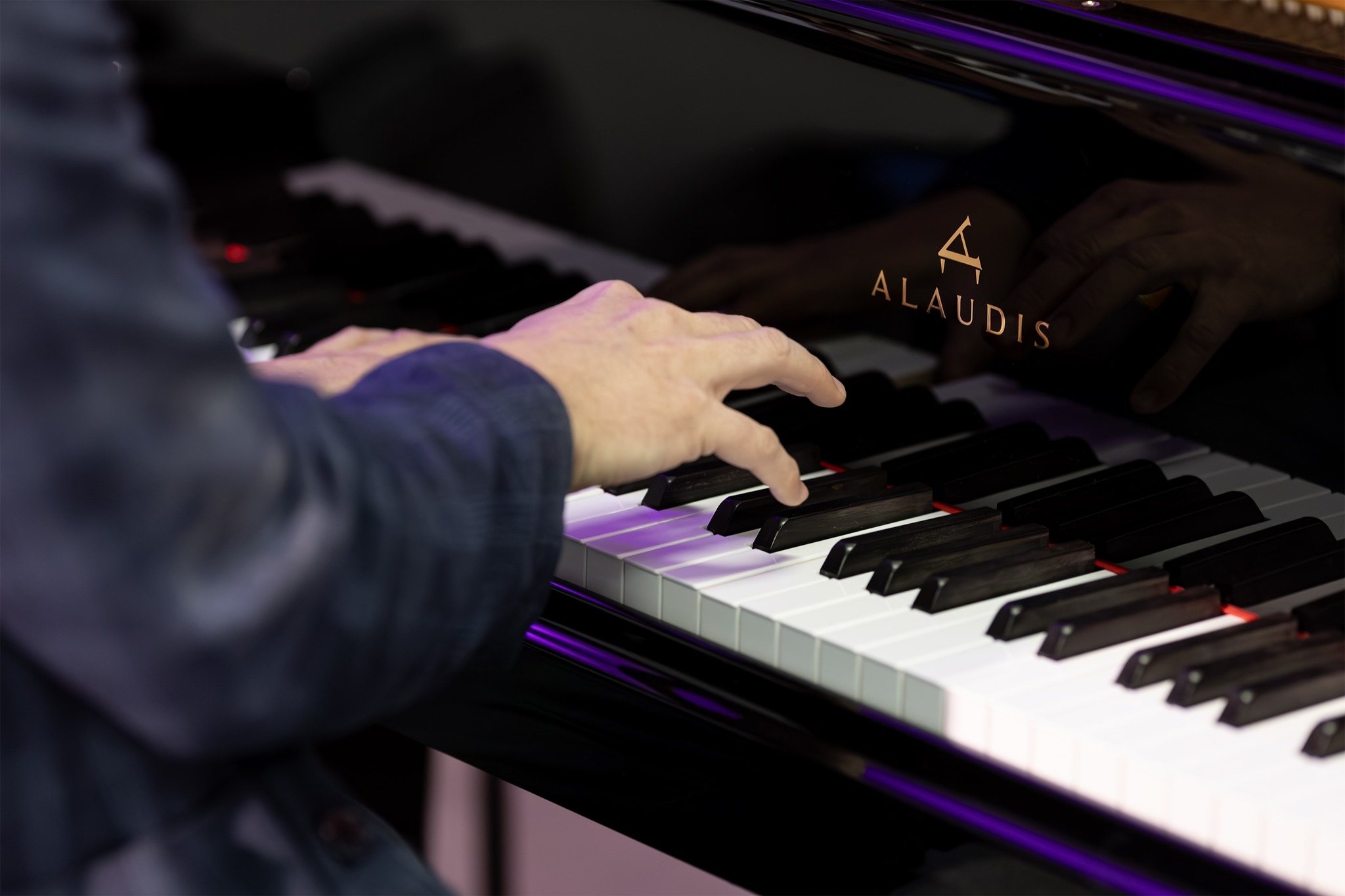
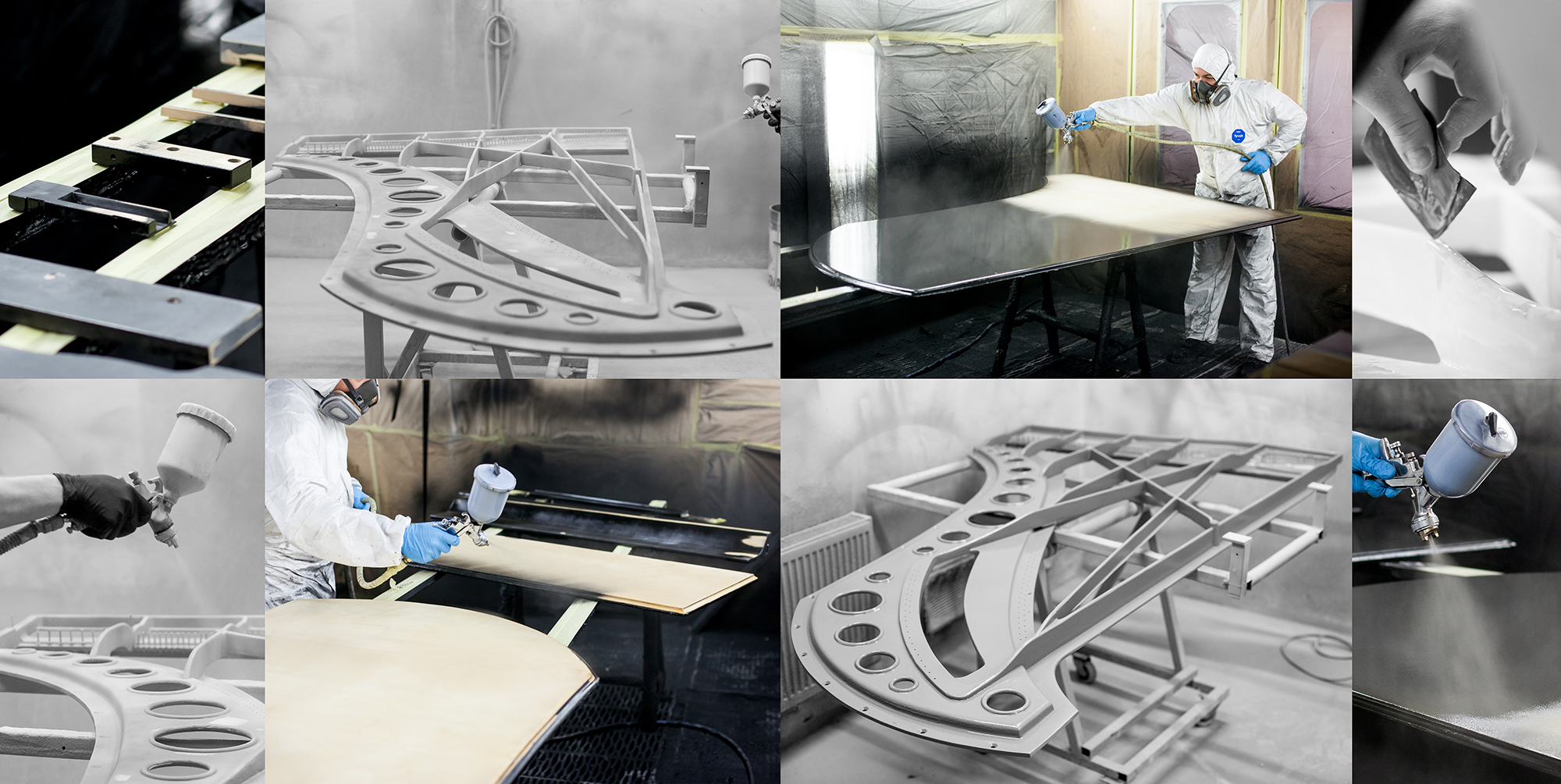
Tuning stability is an important parameter in school conditions, because frequent temperature changes in public buildings can destroy many a delicate instrument. A good grand piano for a student in music school should hold its tuning for as long as possible, which minimizes the ongoing costs of maintenance and tuning. When choosing a specific model, pay attention to the quality of the tuning pins and the overall condition of the pinblock itself, which is the foundation of correct sound. An example of exceptional solidity and craftsmanship is the Polish Alaudis grand piano, which combines tradition with modern precision of execution. A solid construction allows the teacher to focus on the interpretation of the piece rather than on fighting out-of-tune notes.
What piano teachers advise – a practical approach
Teachers unanimously emphasize that your child needs an instrument that will not limit them technically at any stage of musical education. They often suggest that it is better to choose a solid used instrument after professional restoration than a new low-class model. You must listen to their advice, because they are the ones who see how the student reacts to key resistance and whether they can extract varied tone color from them.
Here are several important points most often raised by experienced specialists:
- Control over tone color from the earliest years builds musical sensitivity.
- The mechanism must offer appropriate resistance in order to strengthen the muscles of the hands and fingers.
- Regular servicing of the instrument is necessary to preserve its value.
- The size of the instrument should be matched to the physical abilities of the young pianist.
The correct process of how to choose a grand piano for a child begins with an honest conversation with someone who hears much more than the average user.
The most common mistakes parents make when choosing an instrument
The biggest mistake is being guided solely by a low price or the attractive appearance of the case, completely forgetting about the technical condition of the interior. You often buy an instrument on random online auctions without first having it checked by an expert, which usually ends in costly repairs. You cannot assume that because your child is only beginning, any out-of-tune piece of furniture standing at friends’ home will be enough. You must understand that the upright piano or grand piano for beginners you choose has a huge impact on whether a young person becomes discouraged from work. It is also a mistake to underestimate the acoustics of the room in which the instrument will ultimately stand and resonate every day.
Can a digital piano replace an acoustic piano in music education?
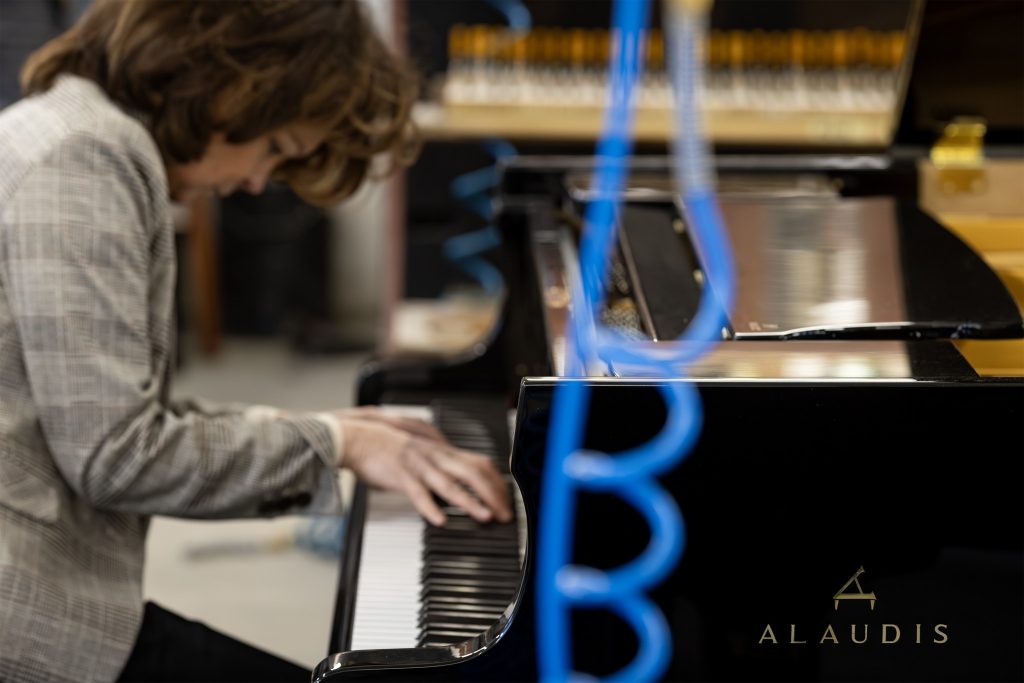
A digital piano, although very practical in an apartment block, can serve in professional music education only as a supplement, not as a full-fledged substitute. No sound sample or speaker system can fully reproduce the phenomenon of overtones and resonance of the soundboard that you feel under your fingers. You must be aware that work on the playing apparatus requires physical contact with a hammer mechanism, which electronics cannot perfectly copy. Digital solutions are excellent for evening practice with headphones, but the foundation of healthy development must always be live, natural sound. If you are wondering which grand piano for the home or music school will be better, always choose acoustic, provided that your living conditions allow it.
How to match the instrument to the student’s level of advancement and stage of learning?
At the beginning of the journey, a technically sound upright piano is usually sufficient; however, with progress and entry into Romantic literature, moving to a grand piano becomes necessary. Your child will need much better repetition and the possibility of using the sostenuto pedal, which only more advanced models offer. You must carefully observe the student’s progress and react when you see that the current equipment is becoming a barrier to further technical development. A good choice at every stage is one that inspires daily sitting at the keyboard and discovering completely new colors. Ultimately, what matters is that music gives pure joy, and that the equipment is only a reliable and grateful companion on this fascinating journey.
Choosing between an instrument for the home and one for school is a decision with many layers, requiring great vigilance from you. Remember that every student is different and has their own unique needs, which evolve with the following years spent at the keyboard. Make sure that the instrument is not only visually beautiful, but above all functional and ready for the challenges posed to it by world musical literature. By devoting your time to finding the ideal model, you give the young artist the best possible chance for artistic success. Let your decision be well thought out, supported by the opinions of specialists and, above all, matched to your child’s real aspirations.