The market for alternative investment methods is developing rapidly, and investors are increasingly turning their attention towards artistic craftsmanship. In this context, a grand piano as an investment is no longer associated exclusively with concert halls, becoming a fully-fledged investment asset. Can a luxury instrument generate a real financial return? Which brand guarantees the highest rate of return?
Can a Grand Piano Be an Investment? Facts and Myths
Many opinions have developed around investing capital in musical instruments. The biggest myth is the belief that every old grand piano increases in value. In reality, most mass-produced instruments depreciate over time due to the natural ageing of their materials. The fact remains, however, that a well-maintained premium grand piano from a renowned manufacturer not only resists inflation but can also steadily increase in value. For demanding investors, the key advantage of this market is its resistance to sudden stock market fluctuations – unique instruments provide excellent long-term capital protection, combining practical value with investment potential.
How Is the Collectible Value of an Instrument Created?
For an instrument to be regarded as an investment, it must meet strict market criteria. The final value of a grand piano is determined by several factors:
Brand
This is the absolute foundation of every investment. Only manufacturers with an established, multi-generational reputation that continue to apply traditional craftsmanship methods are taken into consideration.
Year of Manufacture
The age of the instrument is of great importance. In the case of specific brands, the most highly valued examples are those from the so-called golden age of grand piano manufacturing (the turn of the nineteenth and twentieth centuries and the interwar period), as well as contemporary instruments preserved in perfect condition.
Technical Condition
Even the finest brand cannot maintain its value if the supporting structure or the soundboard has suffered irreversible damage. The instrument must either be fully playable or suitable for professional restoration.
History of the Instrument
A collectible grand piano gains additional value if it belonged to an outstanding virtuoso or was associated with important historical musical events. Possessing complete documentation of its provenance, certificates of authenticity, and the original nameplates provides an additional investment advantage, significantly increasing its value at auctions.
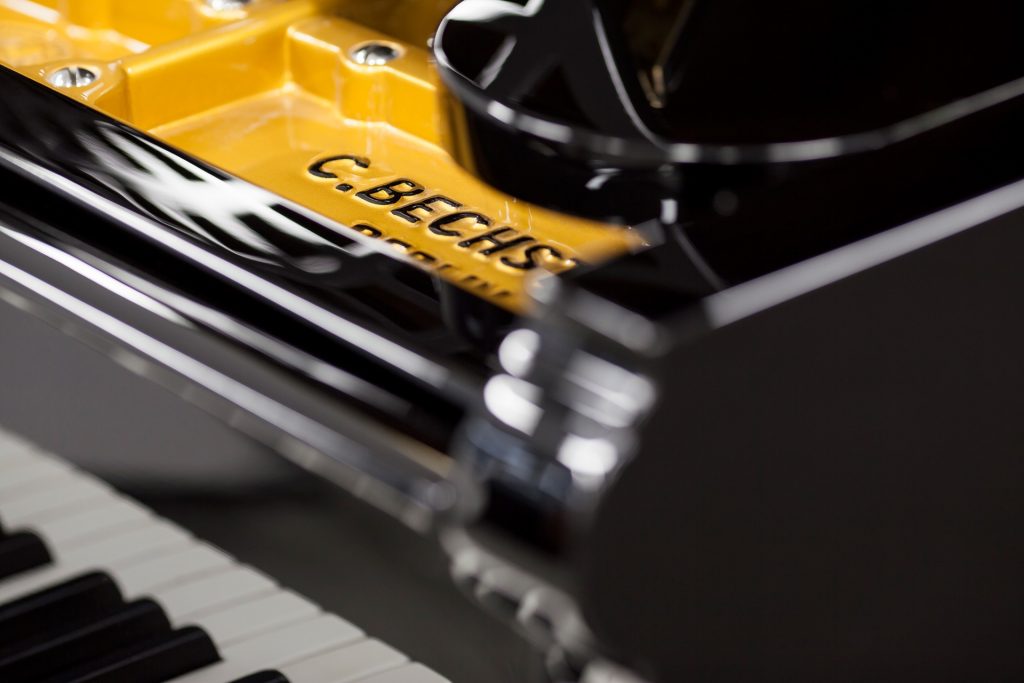
Steinway, Bösendorfer, and Bechstein – Leaders of the Secondary Market
On the global investment market, the undisputed leaders are the following three manufacturers:
- Steinway & Sons – this brand is synonymous with financial stability. Market analyses demonstrate that Steinway as an investment provides stable, long-term returns. The prices of new models continue to rise year after year, which automatically drives up the value of pre-owned instruments on the secondary market.
- Bösendorfer – this Viennese manufacturer is renowned for its unique sound and limited production. Choosing a Bösendorfer means investing in rarity – annual production is extremely limited, creating strong demand among collectors.
- C. Bechstein – German precision combined with a deep and transparent tone enables Bechstein instruments to retain their value at an exceptionally high level. These instruments are highly sought after by both musicians and investors throughout the world.
How Does Restoration Affect the Value of an Instrument?
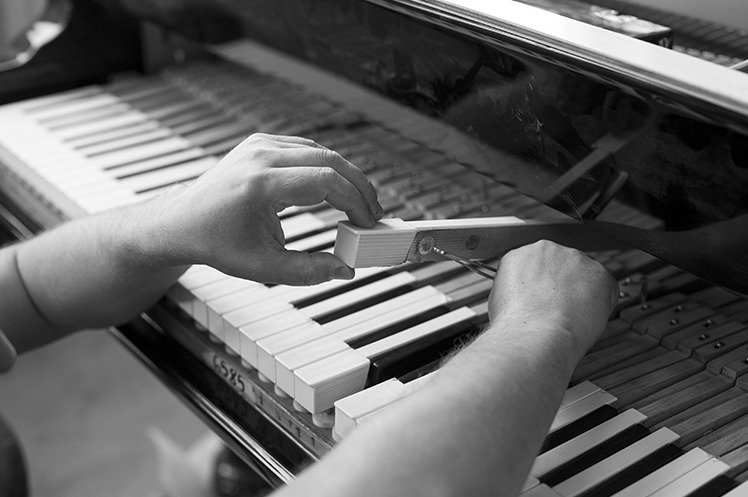
An important question before purchasing an older instrument is: a restored grand piano or a new one? Professional restoration carried out by a specialised workshop can dramatically increase the value of a damaged work of art. It should be remembered, however, that not every grand piano is suitable for restoration from a business perspective. Restoration work should be properly documented, and investors are eager to review restoration examples as well as our previous projects in order to assess the quality of workmanship and attention to detail.
Which Historic Brands Increase in Value Over Time?
In addition to the three leading manufacturers, historic models from brands such as Blüthner, Grotrian-Steinweg, and Pleyel (particularly sought after because of their association with Frédéric Chopin) also retain high residual value on the secondary market. Unique Art Deco cabinets or richly decorated nineteenth-century palace instruments are capable of achieving remarkable prices at auctions, attracting the attention of antique enthusiasts.
Does Alaudis Have Investment Potential?
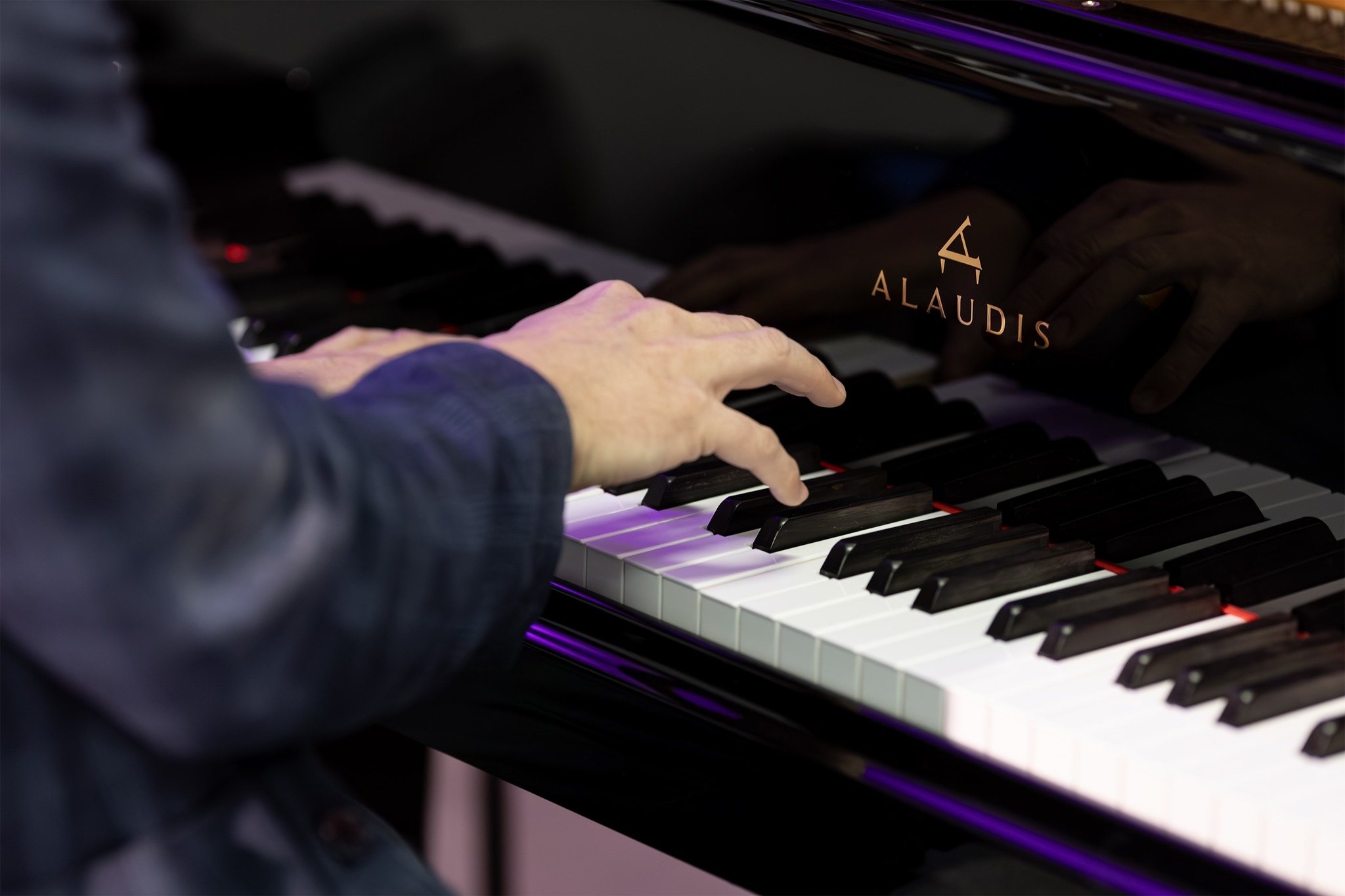
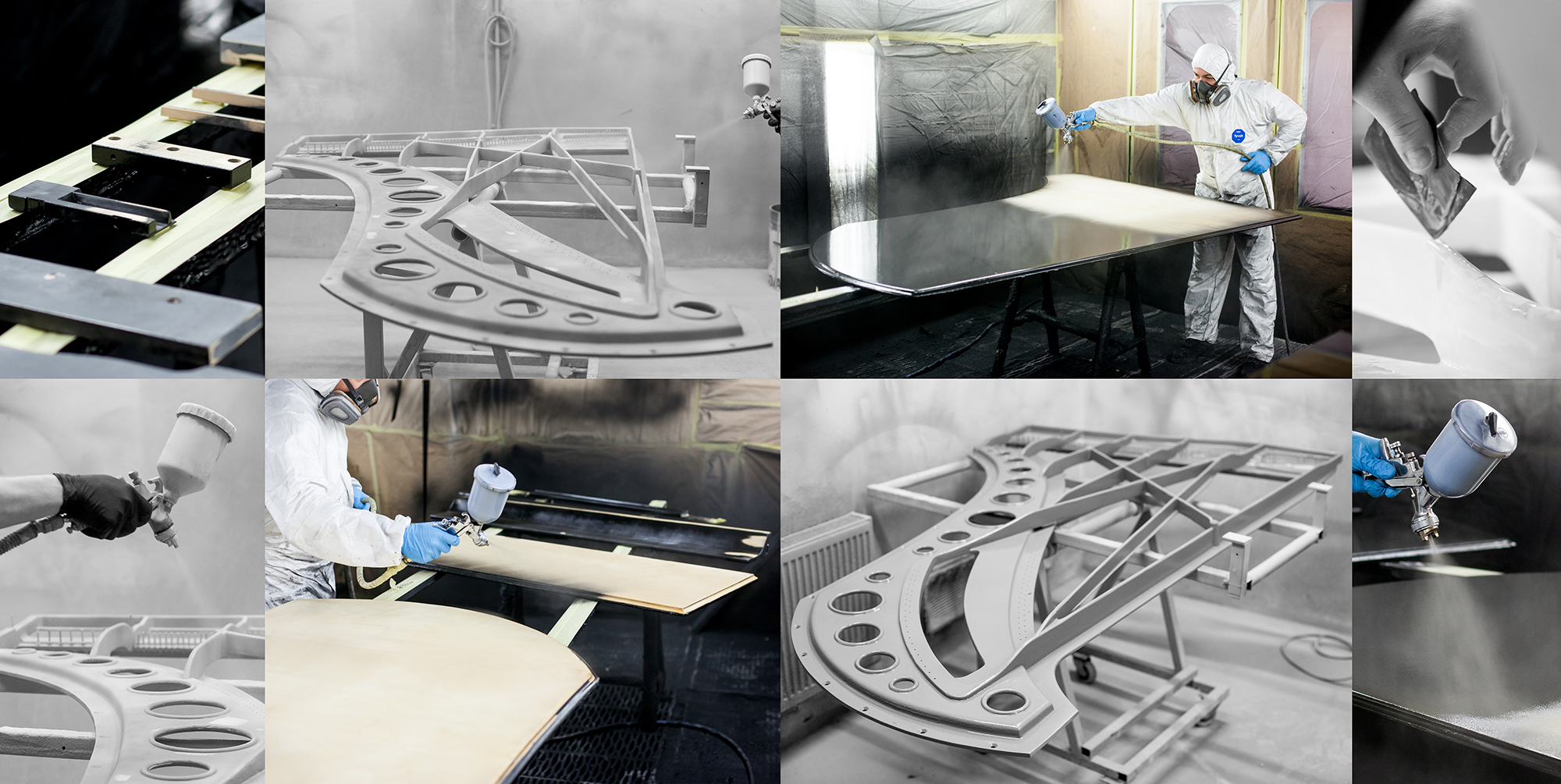
The contemporary premium instrument market is developing rapidly, and the Polish Alaudis grand piano is an excellent example of this trend. Discover its history on the official Alaudis.eu website. Combining traditional craftsmanship with modern acoustic engineering, these instruments are attracting growing international interest. Thanks to their limited production, individually handcrafted construction, and uncompromising material quality, Alaudis has enormous potential to become a highly desirable and profitable collector’s item within the luxury goods market in the future.
What Should You Pay Attention to Before Purchasing a Collectible Grand Piano?
Investing in musical instruments requires careful and rational analysis. Before making a final decision, it is advisable to consult an independent expert who can assess the authenticity of the components as well as the acoustic and mechanical condition of the instrument. Proper transportation and subsequent storage in a room with stable humidity are equally important considerations. Are you planning to invest your capital safely in a luxury musical instrument? Visit our website and take advantage of the professional advice provided by our experts: https://saprenovation.com/pl/landing_kontakt/