Choosing a personal keyboard instrument is one of the most important decisions in a musician’s life. Before purchasing, it is essential to evaluate the available budget—and the size of your living space. The market offers many models, which can be overwhelming for beginners. The right instrument greatly affects practice comfort and learning progress. Below we present types of upright and grand pianos, as well as key differences to help you make an informed decision.
Types of upright pianos – what distinguishes them?
The piano market is diverse, with two main categories: acoustic uprights and digital models. Traditional instruments captivate with natural tone produced by strings and soundboard. Digital pianos prioritise functionality and space efficiency. Understanding construction differences is crucial for a successful purchase.
Acoustic upright vs. digital piano
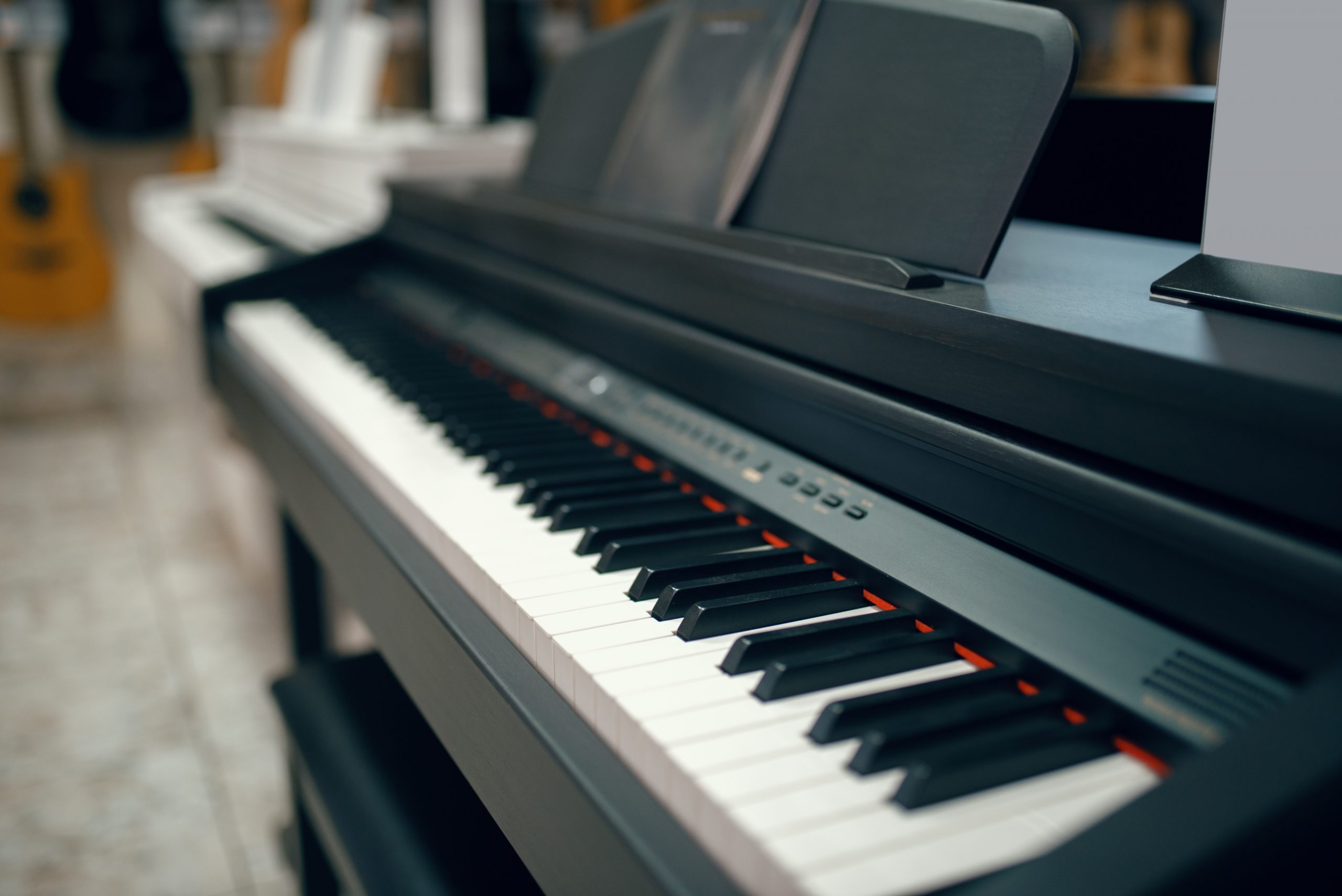
A common dilemma: traditional upright or its digital alternative? An acoustic upright offers true sound interaction and authentic key resistance. A digital piano wins in convenience: headphones and no tuning required. The choice depends on whether you prefer musical authenticity or consideration for neighbours.
Advantages and disadvantages of each type
Acoustic uprights are long-term investments but sensitive to humidity and temperature. High-quality restored instruments can offer excellent performance. Digital models require no maintenance, but depreciate more quickly. Acoustic pianos need regular tuning, adding costs.
The upright piano – a classic for home and schools
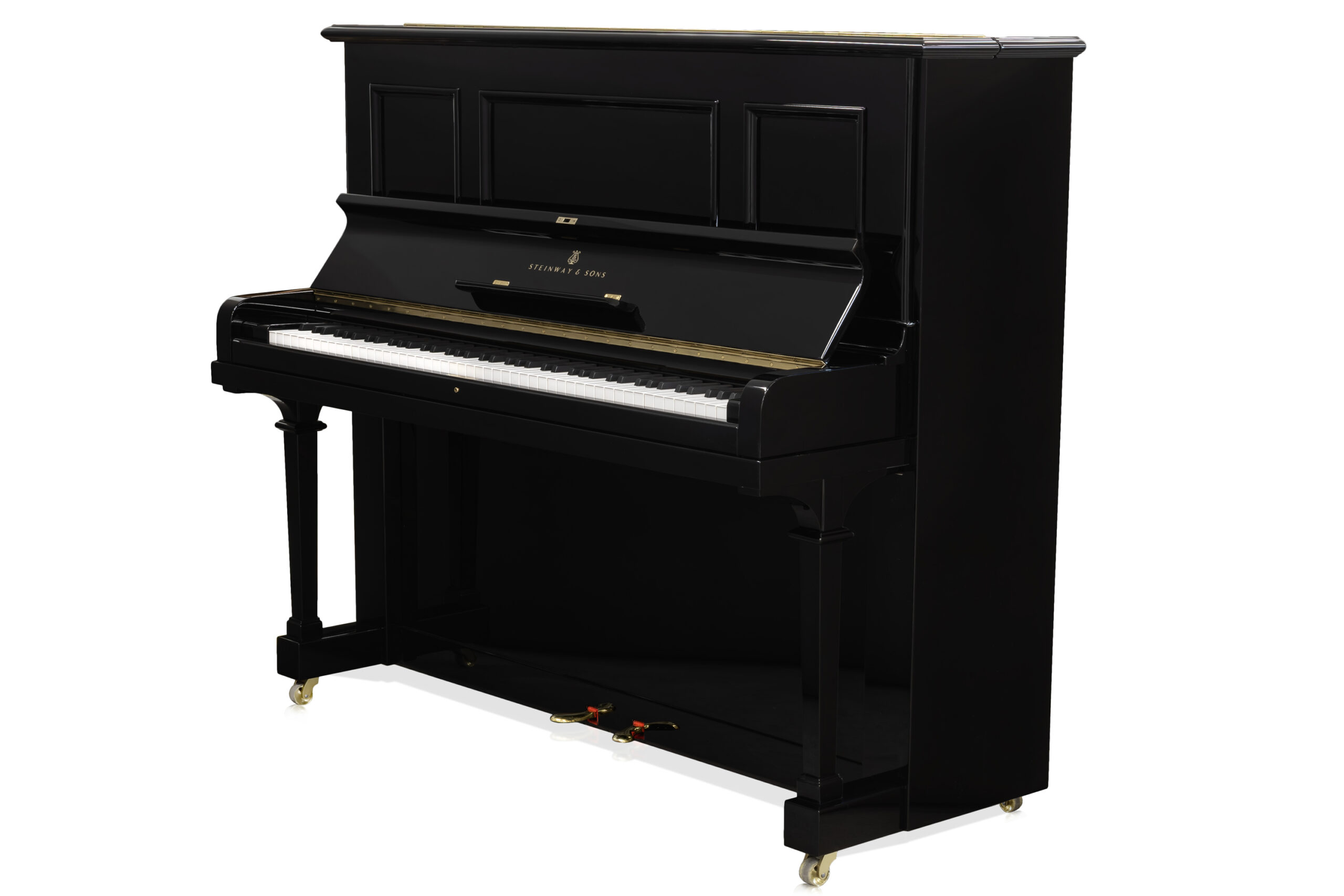
The standard instrument in music schools and cultural centres. Its vertical design saves space while maintaining full sound. Teachers recommend it to develop proper technique and finger strength. Natural tone supports musical ear training.
Characteristics of a traditional upright
Strings and soundboard are positioned vertically. Hammer return is spring-assisted, unlike gravity action in grands. The cabinet acts as a resonating chamber, enriching tone. Modern mechanisms offer high precision and responsiveness.
Common uses and popularity
Uprights thrive in restaurants, churches, and private homes. They serve composers and students in daily practice. Different designs fit any interior style.
Small upright – a compact solution
Ideal for small apartments. Despite modest size, they can produce warm, rich sound. Designers optimise acoustics within compact frames.
Differences between small and tall uprights
The biggest difference is height and bass string length. Taller models offer more resonance and dynamic range. Smaller uprights are easier to place but may lack bass power. Testing both types is recommended.
Dimensions and space requirements
Measure your room carefully. Standard width: approx. 150 cm; depth: 60 cm. Height directly influences sound volume. Leave space for a bench.
Digital pianos – modern convenience
Perfect for tech–savvy users. Hybrid models have wooden key actions mimicking acoustic feel. Immune to humidity changes, and require no tuner. Volume control is ideal for apartment living.
Standard piano dimensions
Acoustic uprights can weigh over 200 kg. Check floor load capacity in older buildings. Digital models are lighter and easier to assemble. Always measure doors and staircases.
Types of grand pianos – from small to concert size
Horizontal instruments represent prestige and unparalleled sound. Grand piano types differ mainly in length.

Baby Grand
Smallest grand, ideal for homes. Up to 160 cm long. Maintains true grand piano mechanics and elegant shape.
Parlor Grand
Popular among professionals and advanced students. Up to 220 cm. Offers rich resonance and full control.
Concert Grand
The kings of the stage. Over 270 cm. Designed for maximum acoustic power and projection.
Grand piano – a classic for stage and home
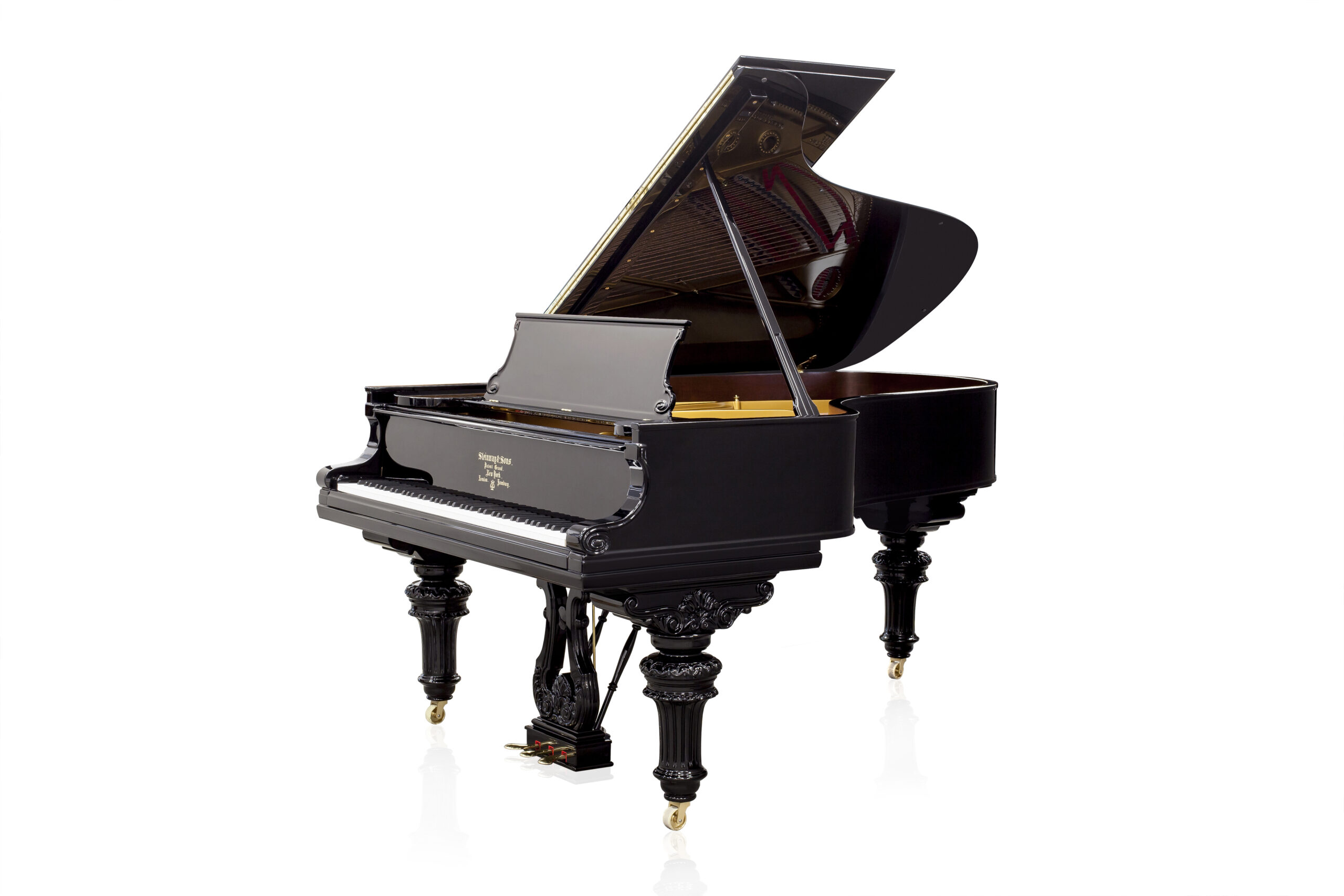
Its shape reflects the shortening strings towards the treble. Lid acts as an acoustic reflector. In homes, a grand becomes the centrepiece of the room.
Concert grand – power and size
Requires a large space to unfold its full sound. In small rooms, its power is overwhelming. It offers infinite tone colours and exceptional responsiveness.
Grand piano dimensions – matching instrument to room
The grand must be proportional to the room. Leave at least 1 metre around for comfortable use.
Placement and maintenance tips
Avoid heating sources, fireplaces, and sunny windows. Older instruments may require restoration to regain their beauty. Leave some distance from the wall for ventilation. Maintain stable climate for longevity.
Upright vs. grand – main differences
Horizontal action in grands enables faster repetition. Vertical action in uprights feels different. Grands require far more floor space. Each instrument offers unique advantages.
How to choose the right size
The decision depends on artistic goals and living space. Uprights suit apartments; grands require larger rooms. Consultation with a piano technician is helpful.
Best placement for upright and grand piano
Interior walls, away from heat and foot traffic. Humidity 40–60 %. Avoid direct sun and drafts.