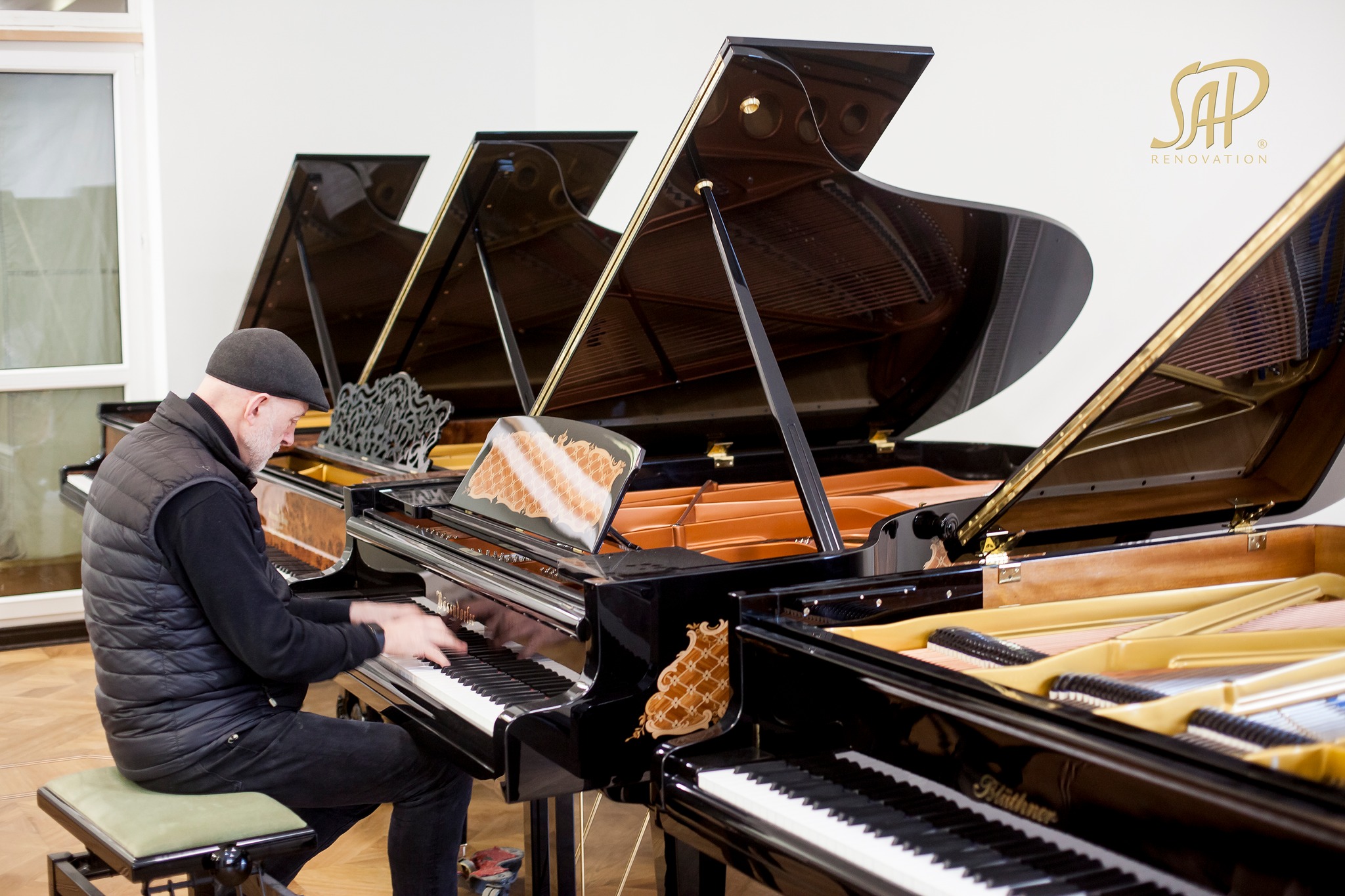
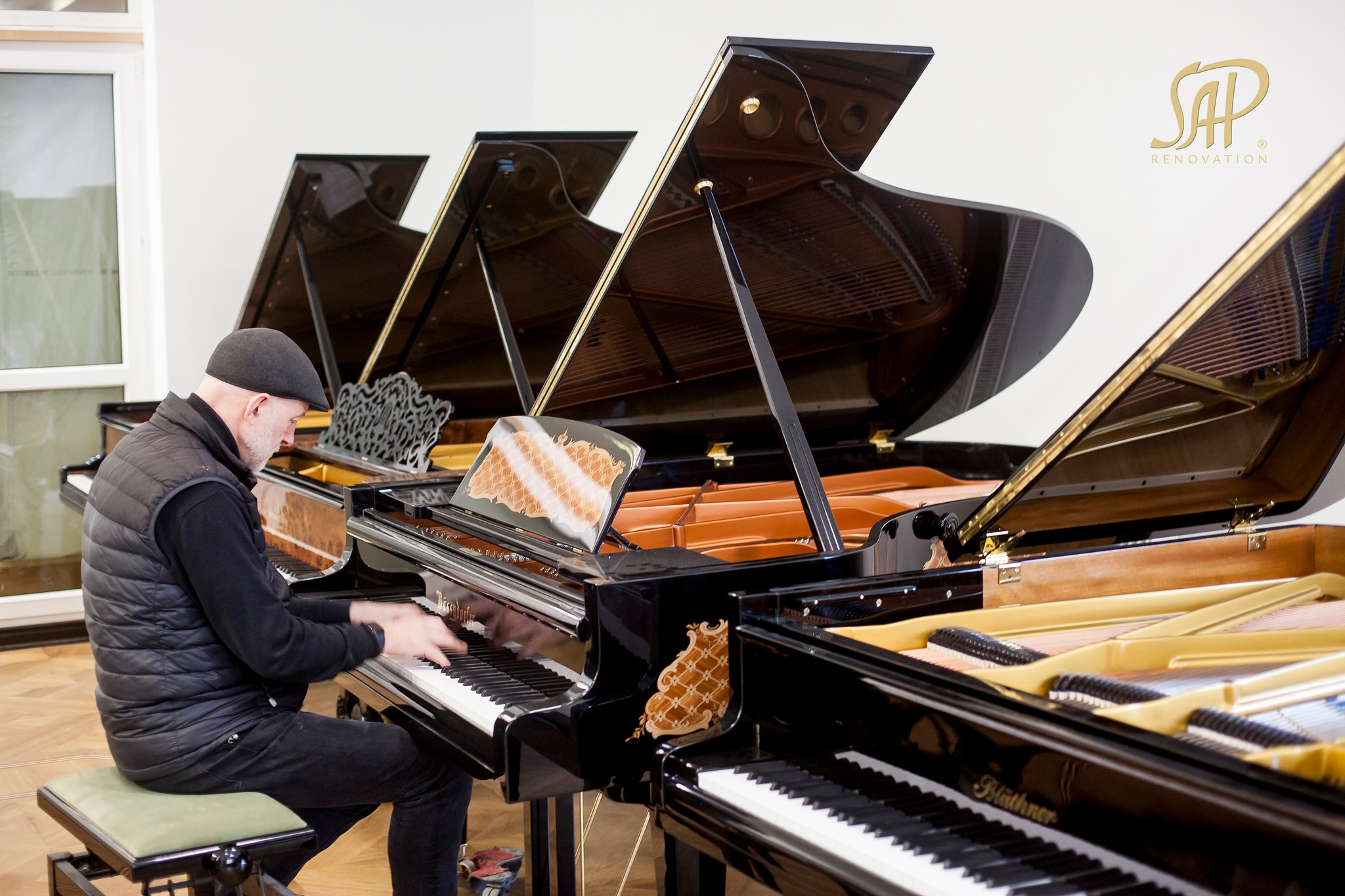
Choosing a keyboard instrument is a crucial milestone in every musician’s development. While uprights and grands share the same origins, their mechanics, sound behaviour and playing experience differ significantly. Understanding these nuances helps you select the instrument that best suits your needs. Let’s explore the details that define both instruments.
Construction – the main differences between upright and grand pianos
The essential distinction lies in the geometry of the frame and the internal arrangement of components. Upright pianos use a vertical string layout, saving valuable floor space. Grand pianos follow the original design of string instruments, with strings stretched horizontally. This has a direct impact on sound projection inside the resonating body, creating two entirely different acoustic worlds.
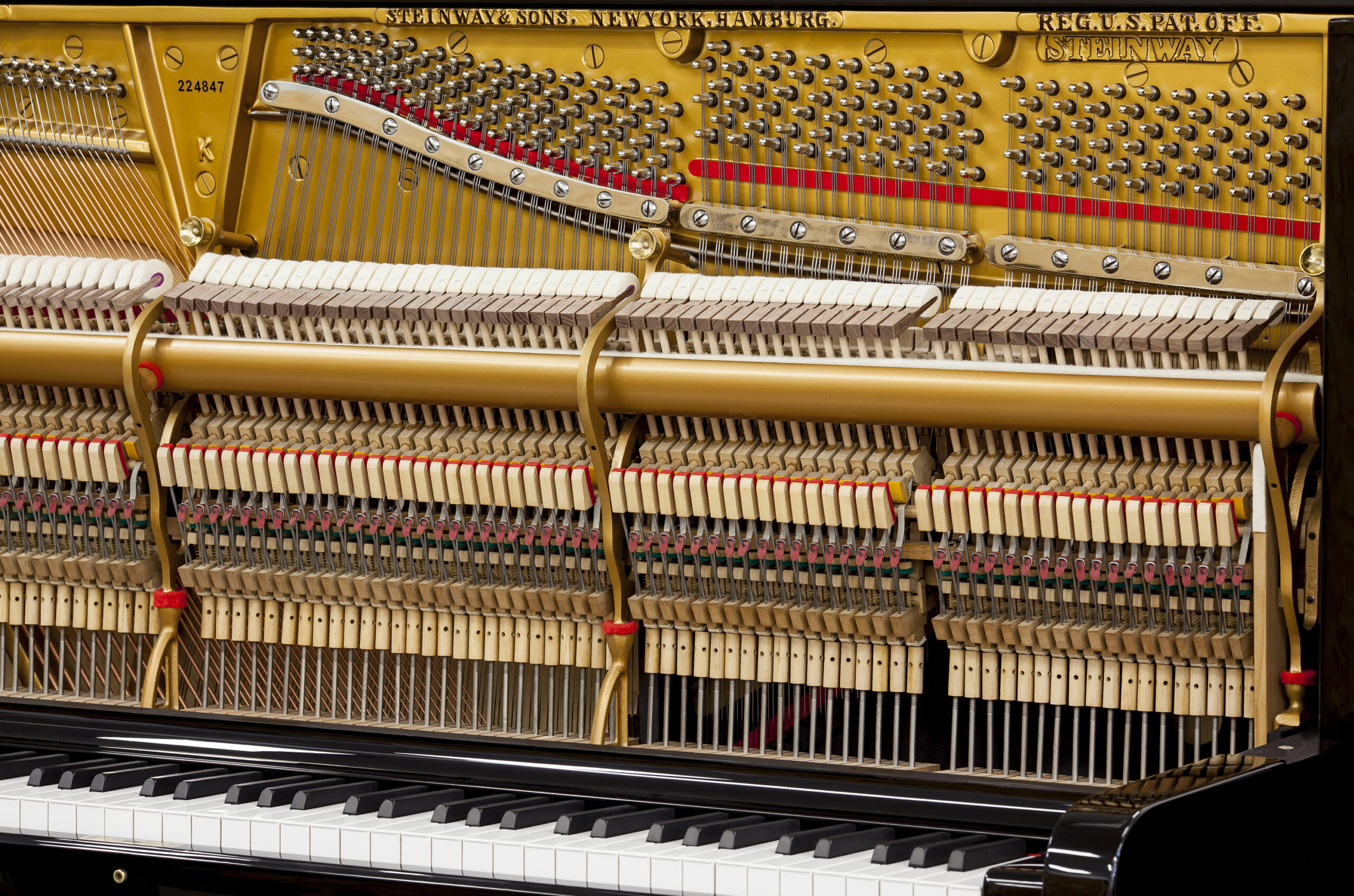

String orientation and hammer mechanism
The heart of the instrument is the action, transferring the player’s energy to the strings. In grand pianos, hammers strike from below and return naturally through gravity. In uprights, a spring-assisted mechanism forces the hammer back. This is the strongest engineering difference: gravity allows much faster repetition, giving professionals superior control.
How construction affects sound
The shape of the body and string length define tone and volume. Grand pianos have a lid that allows acoustic waves to project freely, whereas the upright’s soundboard is partially enclosed. Although professional restoration can revitalise older instruments, grands naturally offer a richer and more powerful sound.
String and keyboard placement – vertical or horizontal?
The orientation of strings instantly reveals the type of instrument. Upright pianos are vertical and compact. Grands require more room due to their extended horizontal frame. The decision often becomes a compromise between acoustic quality and available space.

Why grands lie flat and uprights stand upright
The grand piano’s horizontal structure originates from the harpsichord and enables long strings. Uprights emerged later as a response to the needs of middle-class homes, offering a wall-placement solution – perfect for smaller rooms. History shows how the upright vs. grand dilemma evolved through adapting the instrument to living spaces.
Size – how much space do they require?
Space is a decisive factor for modern living. Uprights typically need around 150 cm width and about 60 cm depth. A grand extends significantly into the room and requires careful planning. Available sizes range from baby grands to large concert grands.
Sound – is the difference audible?
Even beginners hear it. Grand pianos offer a broader dynamic range and a more colourful, open sound. With the lid raised, projection becomes even stronger. The absence of barriers for sound waves contributes to the unmistakable grand piano resonance.
Keyboard sensitivity – how does the playing feel differ?
Touch and responsiveness shape the playing experience. The gravitational action in grands allows extremely fast repetition. In uprights, springs alter the inertia of the key. Advanced pianists notice this immediately, which is why many choose grands for practice.
Price – what determines the cost?
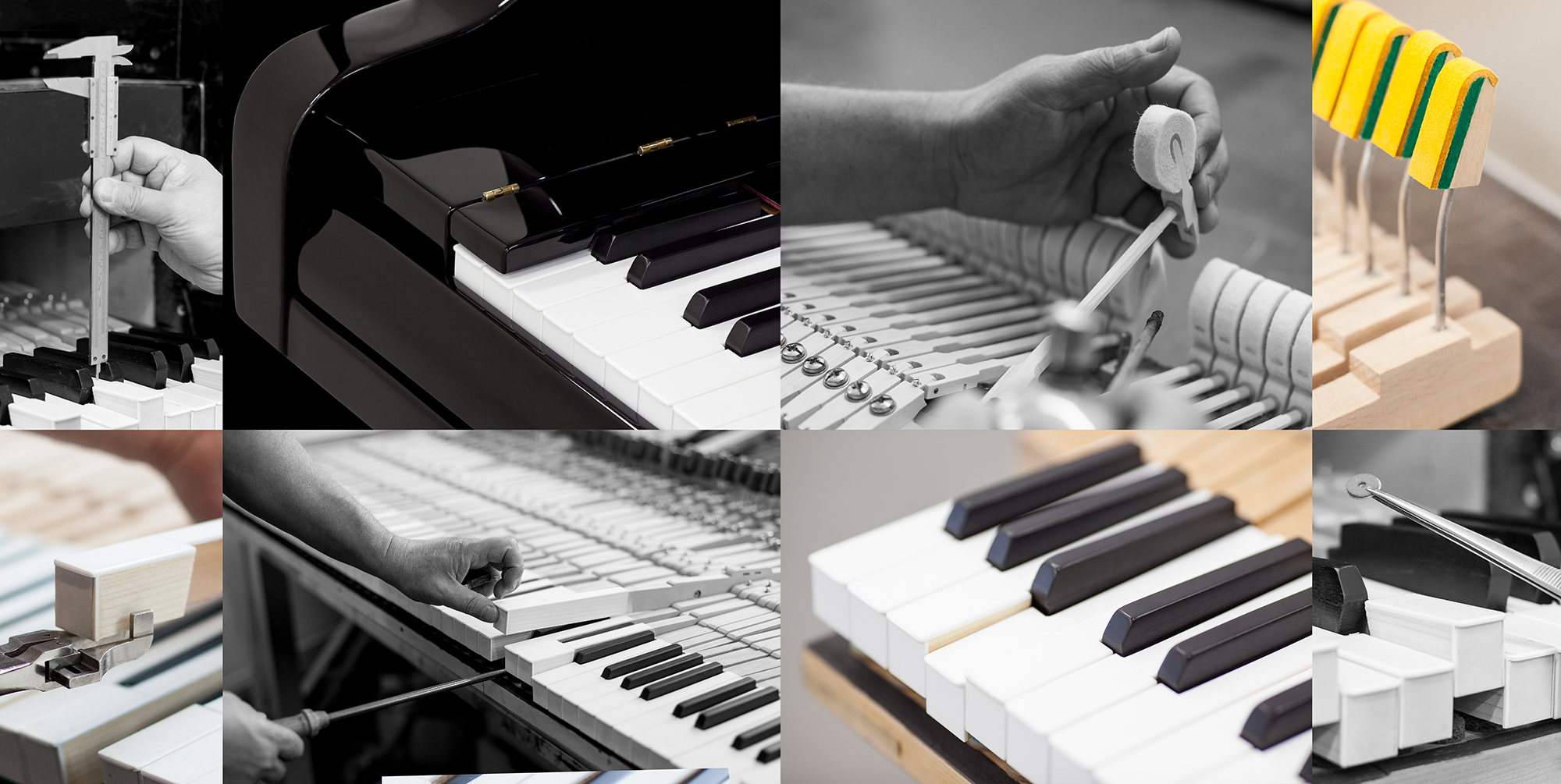
Grand pianos are more expensive due to their complex construction and large material requirements. Uprights offer a budget-friendly entry into acoustic instruments. Financial considerations often determine whether a musician starts with a grand or a quality upright.
Which instrument is better for what purpose?
Uprights work well in schools, small rooms and apartments. Grands are standard in concert halls and professional settings. Although uprights are suitable for beginners, advanced studies usually lead to playing grand pianos.
Mobility – can a grand be moved?
Uprights are heavy but compact enough for tight spaces. For transporting a grand, the legs and pedal lyre must be removed. The cast-iron frame makes moving it to upper floors a logistical challenge.
Can a digital piano replace a grand?
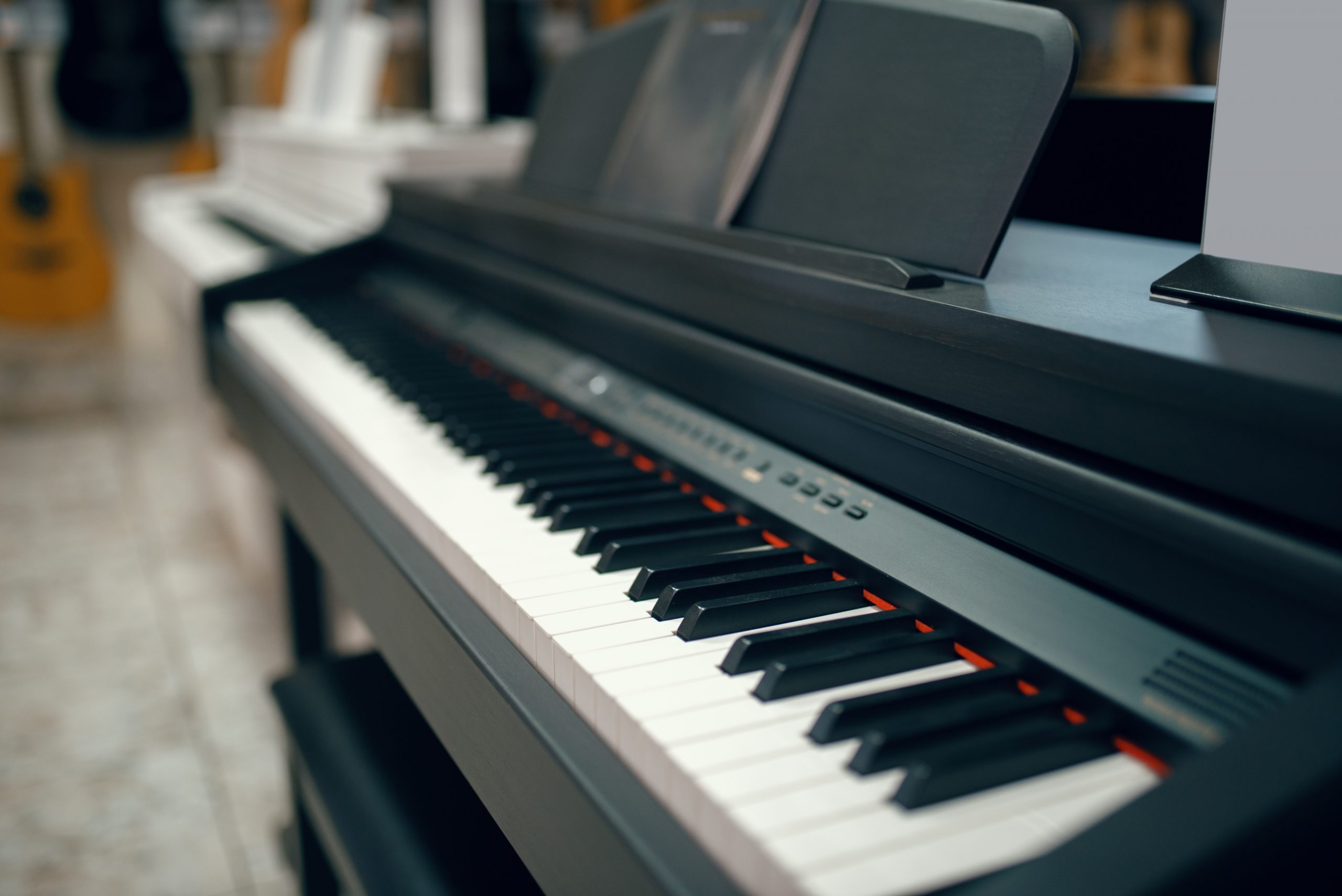
Technology has made impressive progress. Digital pianos mimic hammer action and sampled grand tones. They offer volume control and headphone use. However, the natural wooden resonance of an acoustic grand cannot be fully reproduced.
Summary – upright vs. grand: which to choose?
The decision should balance available space, budget and artistic goals. A high-quality upright is an excellent companion in small apartments. With more room, a grand offers unmatched sound and expressive possibilities.
Choosing for beginners
Key criteria:
- Space: measure the room carefully,
- Budget: consider purchase + maintenance,
- Neighbours: grands project more sound.
Most beginners will find an upright the safest starting point.