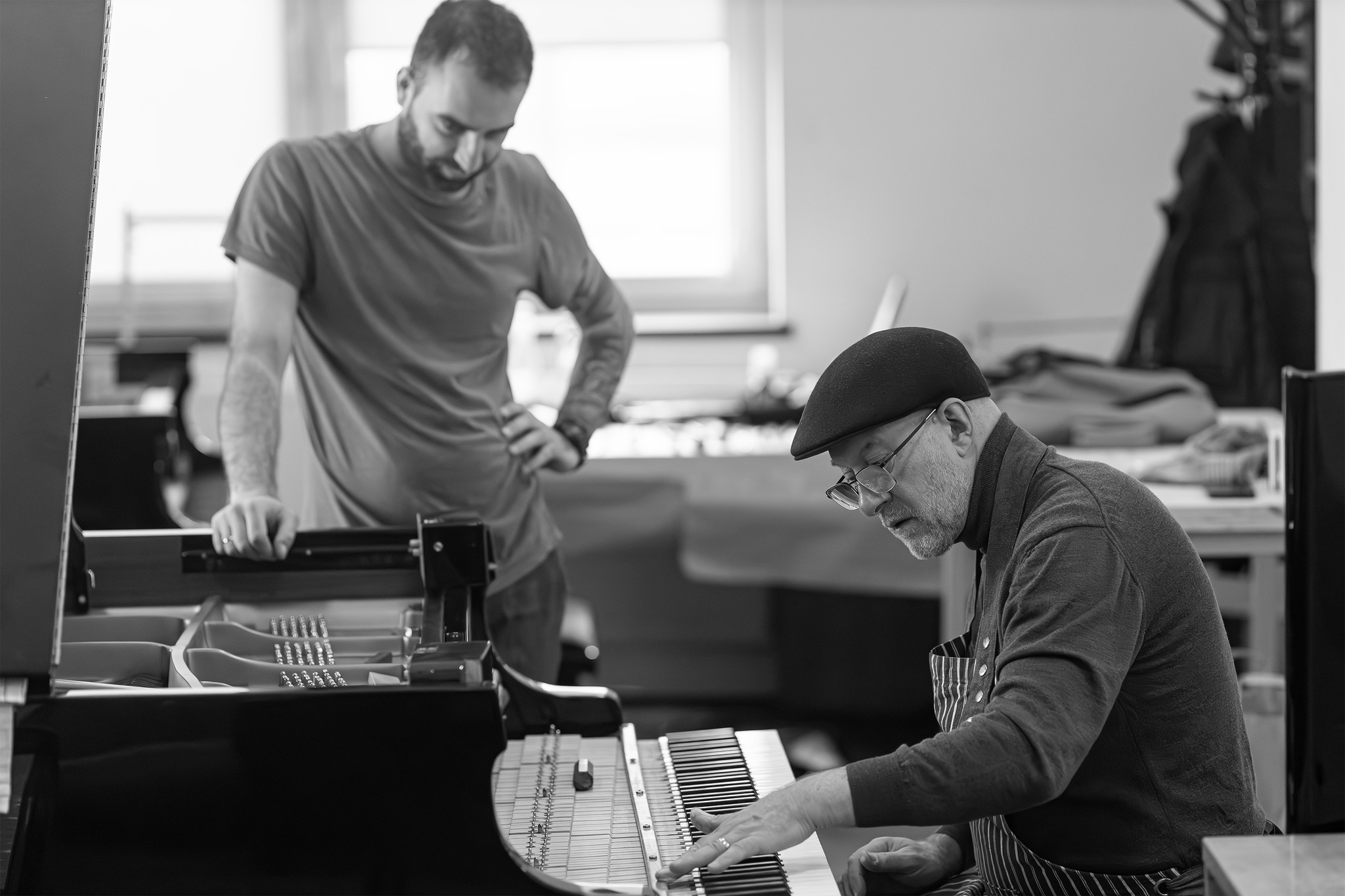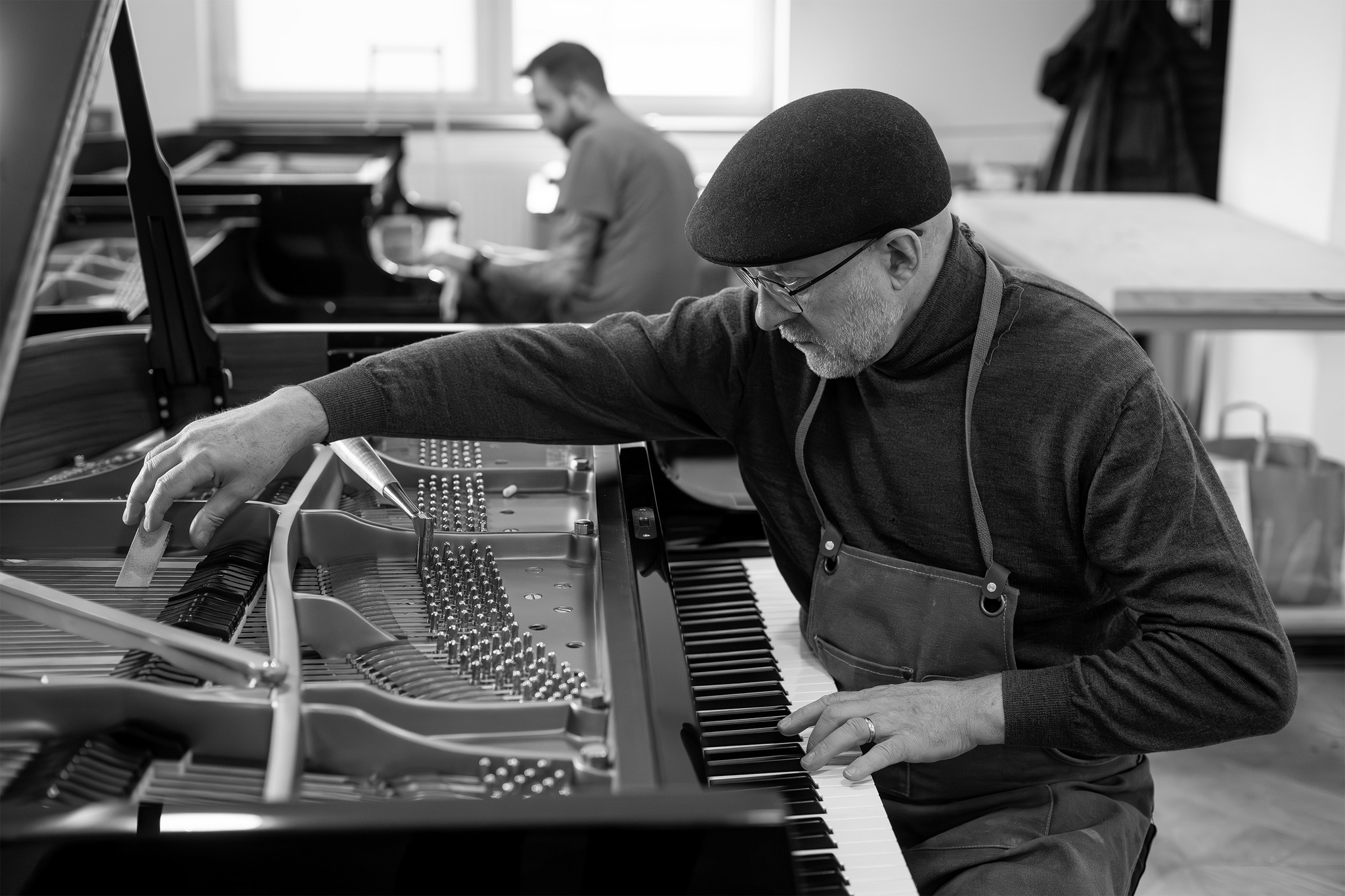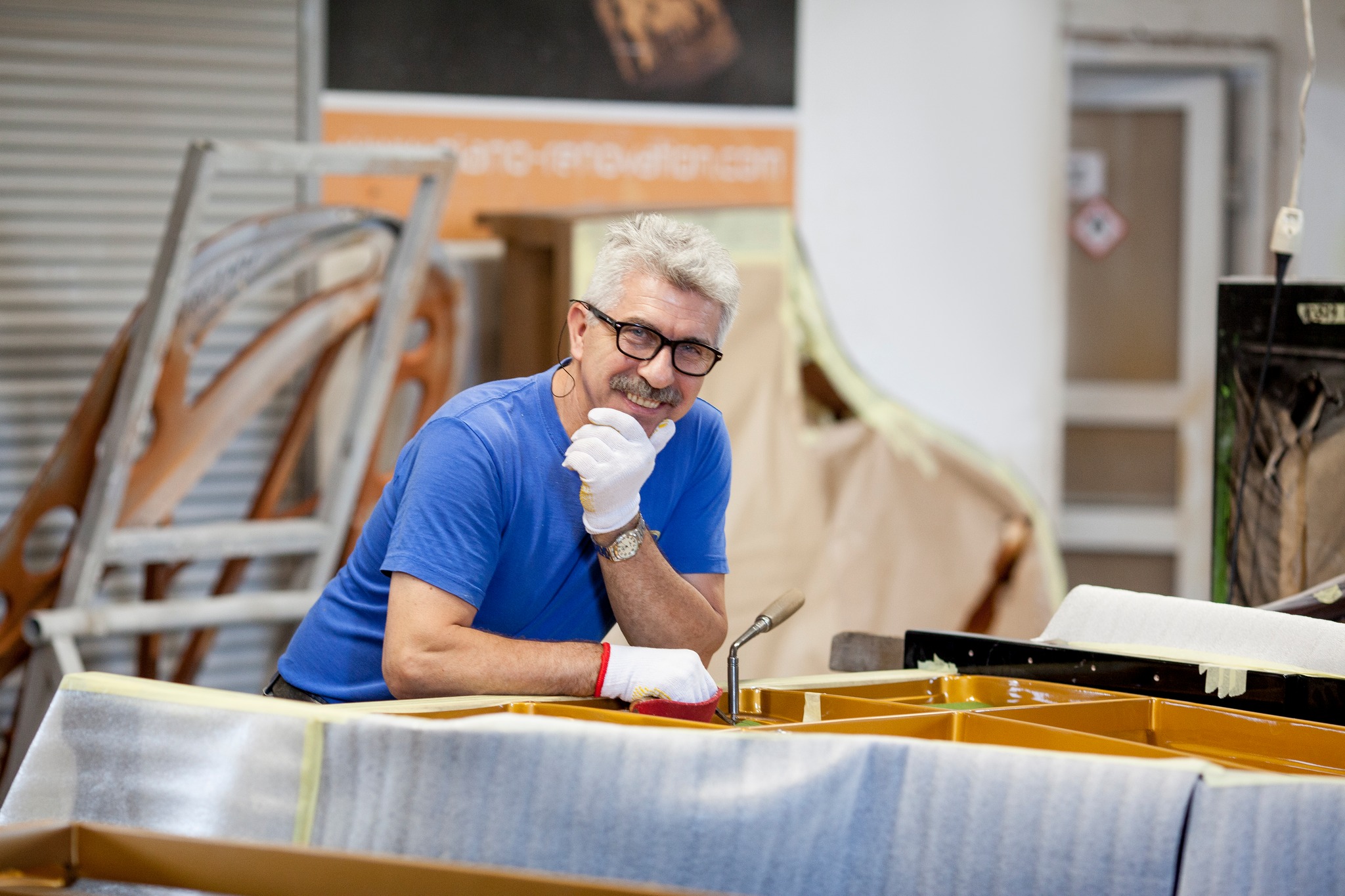
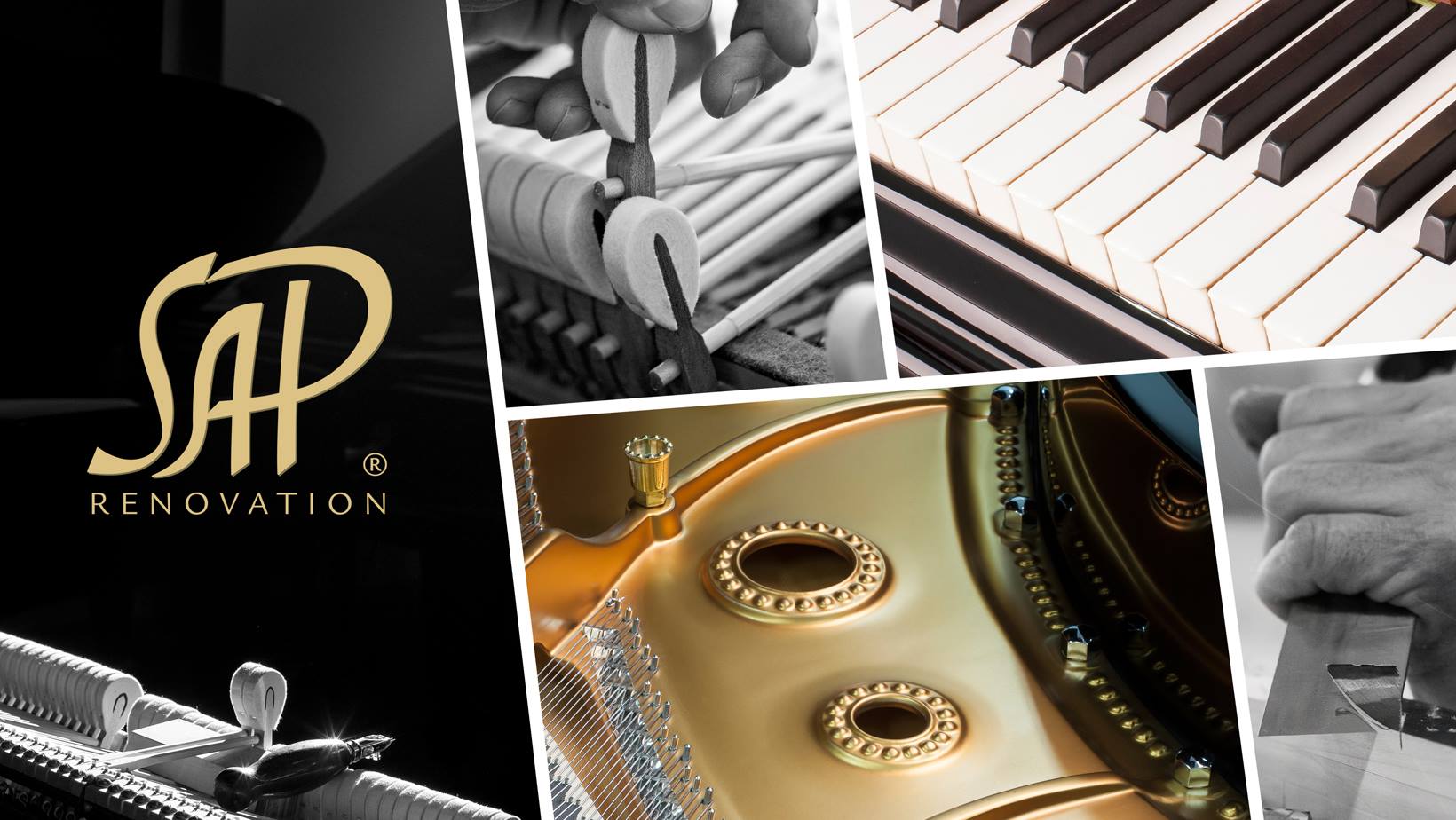
A piano is much more than just an elegant piece of interior decor – it is a complex organism with its own soul and a unique history inscribed in wood. The decision to restore it to its former glory is a journey into the craft of masterful workmanship, where engineering precision meets artistic sensitivity to the smallest detail. Every instrument that enters the workshop tells a completely different story, requiring the restorer not only to have extensive technical knowledge but, above all, great humility toward the material. This individualized approach makes the restoration process an art of reviving forgotten emotions and sounds.
Uncompromising instrument diagnosis – what a master checks before restoration begins
The first and absolutely most important step in professional piano restoration is a detailed, uncompromising assessment of the entire instrument’s technical condition. An experienced master carefully examines the soundboard for cracks that could negatively affect the tone and sustain. They also check tuning stability, which often reflects the condition of the pinblock, and inspect the bridges, which transfer string vibrations to the soundboard. The case is also scrutinized, as over the years it may have warped or suffered action damage due to improper storage. Only after such an in-depth audit can a realistic cost estimate and work schedule be created, avoiding surprises for the owner later on. This is a moment of truth, where a decision is made whether the instrument requires only cosmetic care or a complete overhaul of every structural element.
Action in focus – when adjustment is enough and when full repair is necessary
A piano’s action consists of thousands of tiny, moving parts that must work together with clockwork precision to produce the desired sound. Sometimes, simple regulation—precisely adjusting key travel and hammer release—restores the instrument’s manual responsiveness. However, heavily worn instruments, where felts are compressed and axles seized, require much more invasive intervention. Often, replacement of hammer heads is necessary, as over years of striking strings, they lose their original pear-shaped form and resilience. Precise regulation of the action is also crucial for achieving full dynamic control over every sound, from pianissimo to fortissimo.
Strings, tuning pins, and the soundboard – evaluating the piano’s heart and tonal potential
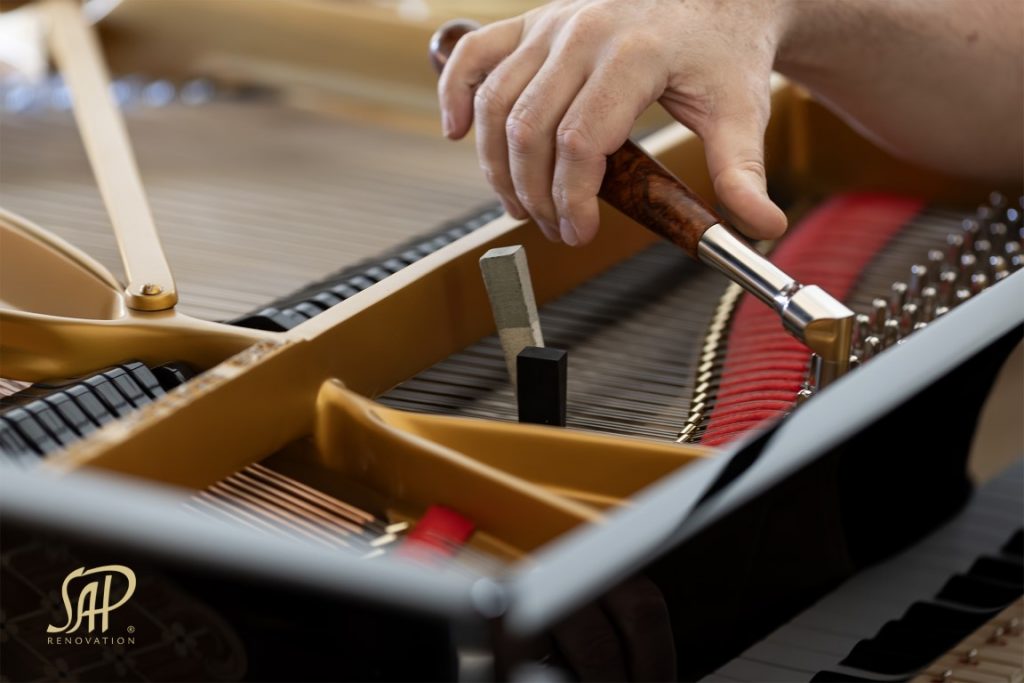
The heart of a piano lies in its acoustic components, so a thorough assessment of the strings and soundboard is key to the instrument’s future tone. Rusted or broken strings are not only unsightly but also lose the ability to hold stable tuning and generate clear overtones. String restoration usually involves a complete replacement with a set carefully selected for gauge and tension according to the model. Equally important is the structural foundation of the tension system, the iron frame. Professional restoration restores not only its visual shine but also ensures the safety of the entire assembly subjected to enormous tension forces of several tons. Restoring iron frames requires specialized lacquers and techniques to preserve the original appearance while protecting the metal.
Keyboard under the microscope – common signs of wear and restoration scope
The keyboard is the only component the pianist has constant tactile contact with, so its condition is crucial for comfort and ergonomics. Over the years, key coverings may yellow, crack, or peel off the wood, which is not only unattractive but can even injure the fingers. Restoration here includes whitening natural ivory, polishing plastic, or replacing keytops with new composite materials. Balancing the keyboard so that each key responds with equal resistance is also vital, allowing precise control over dynamic shading. Felt and cloth under keys are often replaced to eliminate side play and annoying clicking. Restoring the keyboard’s perfect evenness and smoothness is labor-intensive, but the result is immediately noticeable under the pianist’s fingers.
Impact of age and use intensity on restoration scope
The piano’s age and usage history determine how deeply a restorer must intervene in the original substance of the instrument. Century-old pianos stored in damp cellars require entirely different approaches and technologies than instruments regularly maintained in living rooms. Very old pianos often pose the dilemma of preserving original parts at all costs versus replacing them with modern equivalents for better functionality. Heavy use in music schools usually necessitates full action replacement, whereas a domestic instrument may only need thorough cleaning and regulation. Every decade leaves a unique imprint, which an experienced restorer can read and address appropriately in the repair plan.
Sound restoration or structural rescue? Determining work priorities in worn pianos
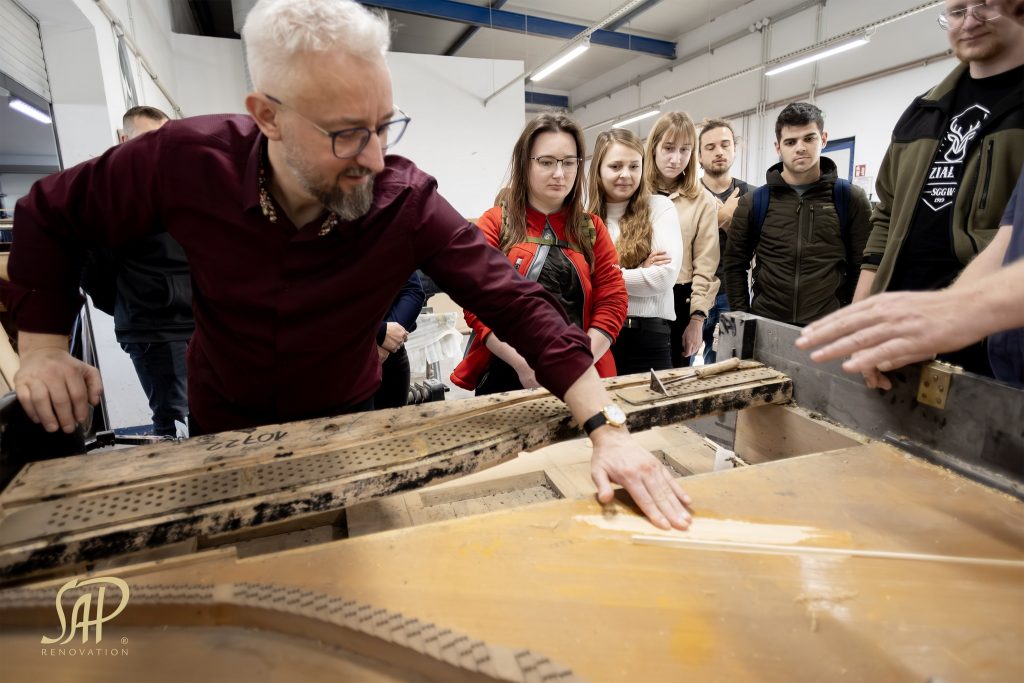
Setting priorities in restoring a worn instrument is a balancing act between the client’s desire for perfect tone and the hard technical realities. Without a solid foundation—restoring the piano’s structure—any work on sound improvement is only a temporary cosmetic fix. If the frame is compromised or the pinblock cannot hold tuning pins, even the best strings and hammers will not make the instrument play cleanly and beautifully. Therefore, the load-bearing elements are secured first, with acoustic nuances and tonal refinement addressed later. Professional, comprehensive restoration always follows this hierarchy, placing safety and structural stability above all.
From tuning to cabinet aesthetics – common repairs and why they cannot be skipped
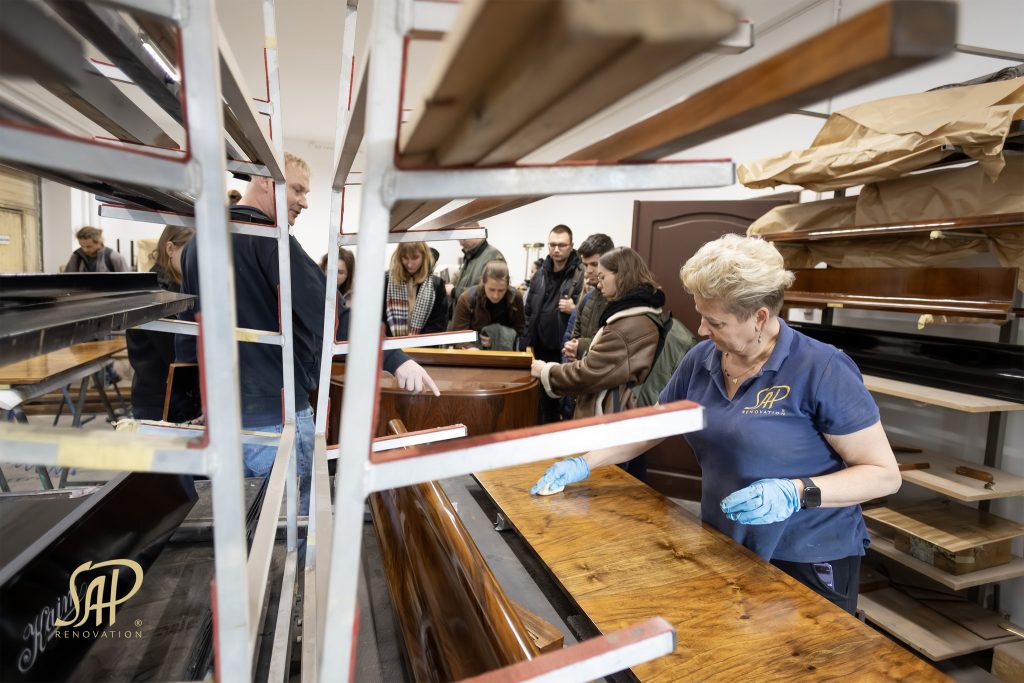
The scope of piano work is extensive, but workshop statistics highlight recurring issues requiring specialist intervention. Customers often choose to refresh the cabinet surface, opting for traditional shellac polish for antique instruments or modern polyester lacquer for newer models. The pedal system, which affects sustain and tone, must not be neglected and often requires attention after years of disuse. Regular inspections should also include checking the legs and lyre, directly impacting safety for such a heavy instrument.
Restoring a piano is a complex process requiring time, patience, and deep knowledge, but the results are immensely rewarding. It is not just a technical repair of a mechanical device, but an act of preserving a piece of musical cultural history for future generations.