The moment when a child is admitted to the piano class fills parents with pride as well as many questions about the next steps. Teachers immediately set requirements regarding the equipment of the practice corner, which forces purchasing decisions. This choice will affect the playing technique and the student’s enthusiasm for exploring the secrets of composition throughout years of education. It is therefore worth analysing the options thoroughly in order to avoid mistakes that may hinder the development of the child’s talent and hearing.
The first instrument for a child – why the choice matters more than it seems
The beginning of the journey in the world of sounds is the time when the child’s hearing and hand muscles adapt to working with the keyboard. The answer to the question of which piano to buy for a child for music school determines how the student will feel the resistance of the keys. A lack of precision in the action may create movement habits that are difficult to eliminate later during lessons with a professor. The instrument at home must faithfully reproduce the conditions that the student encounters during lessons in the practice room. Sound quality builds the artist’s sensitivity and allows for understanding the dynamics of pieces prepared for exams. Purchasing equipment with premium-class parameters translates directly into the absence of frustration and a willingness to spend time at the keyboard.
Piano or keyboard? Why music schools require specific solutions
Many parents consider a lightweight solution, however the dilemma “piano or keyboard for a child” has one answer. Requirements for a piano for a music school student exclude instruments without a hammer action action and without a full-range keyboard. A keyboard has keys without resistance, which makes it impossible to train finger strength and precision of striking the strings. Educational institutions emphasise the development of the playing apparatus, which can only function in contact with resistance of a specific weight. A student using keys without resistance will not be able to produce tone colour during an exam at school. Choosing shortcuts usually ends with the need to replace the instrument after just a few months, which generates financial loss.
What piano for a child – new, used or refurbished?
The market currently offers several purchase paths, and each of them has features that affect the comfort of daily interaction with music. When considering a used piano or a new one for a child, one should take into account the condition of the action, not just the appearance of the case. The decision of which piano to choose at the beginning of learning must include the fact that faults in a used instrument discourage the student from working. Models from a showroom provide peace of mind, but their price often exceeds the capabilities of people starting their journey with learning. An increasingly chosen option is a refurbished piano – is it worth trusting specialists who restore instruments with tradition? This solution combines the sound of wood with the precision of operation characteristic of products coming straight from the production line.
How much does a piano for a child cost and where not to save
Financial matters are often decisive, however it is worth knowing how much a piano for a child costs and what these amounts result from. A piano for a beginner cannot be just a piece of furniture, because its technical condition determines tuning stability and comfort. Saving on the quality of the action or the condition of the soundboard results in the need for tuner visits and repairs. The cheapest models from classifieds often require investments that ultimately exceed the cost of purchasing a good-quality instrument. One should look for a balance between price and the certainty that the instrument will retain its value and serve the child for years. Solid construction is the foundation on which technique is built.
What to pay attention to when choosing a piano – checklist for parents
Assessing an instrument without technical knowledge is difficult, so it is worth preparing for a visit to a showroom or seller. Knowledge of how to choose a piano for learning will help avoid buying an instrument that cannot be tuned. During inspection, check whether the keys return at the same speed and whether the sound has a consistent tone. Accessories such as an adjustable bench are also important to maintain proper posture. It is worth completing necessary accessories to ensure comfort and focus on learning.
Checklist:
- Condition of tuning pins and tuning stability
- No cracks in the soundboard and condition of bridges
- Wear of hammer felt and cleanliness of the action
- Pedal operation and sound damping
- Evenness of keyboard resistance
Correct functioning guarantees proper development. Parents should consult a teacher or technician.
The most common mistakes parents make
Mistakes include focusing only on price or appearance. Buying instruments without hammer action is also wrong. Another mistake is not checking service history or storage conditions. Humidity can destroy wood and affect tuning stability. Lack of consultation often results in buying unusable instruments.
Is it worth buying or renting?
Rental allows testing commitment. It often takes a year to know what is best. Rental allows access to high-quality instruments with lower initial cost. Many companies offer purchase options later.
How SAP Renovation can help
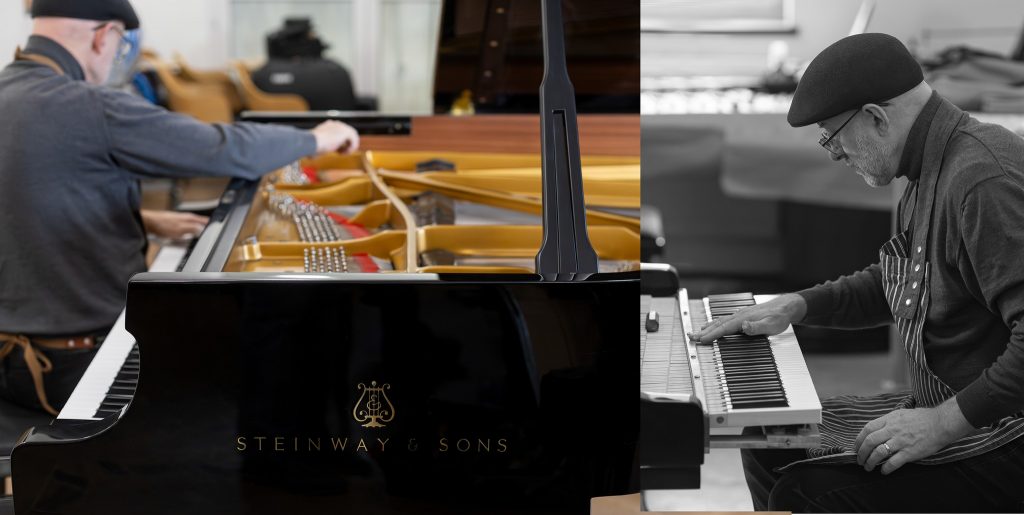
Choosing a partner simplifies the process. SAP Renovation restores instruments combining craftsmanship and precision. Experts help match instrument to budget. Refurbished models are a strong alternative.
Piano as an investment
Investment in education builds character and skills. A good piano supports expression and motivation. Quality affects hearing development. A thoughtful decision leads to success and joy.