Blog · 20 May 2016
Discover the benefits of restoring the acoustic part of your piano
The acoustic part of a grand or upright piano is its heart: its condition determines the power, quality and clarity of the sound that comes from inside the instrument as it is played.
It is therefore extremely important that every acoustic component of the piano is kept in perfect condition, so that all the qualities of its tone are preserved.
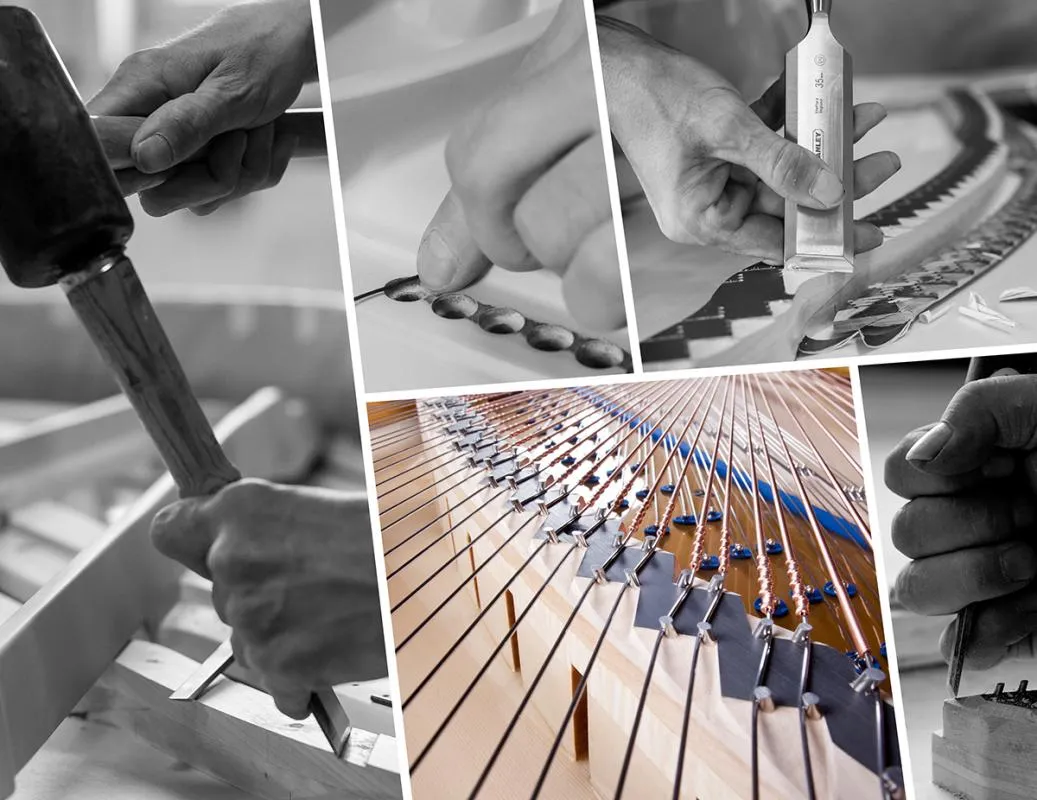
When considering a restoration of the acoustic part, the following components should be taken into account:
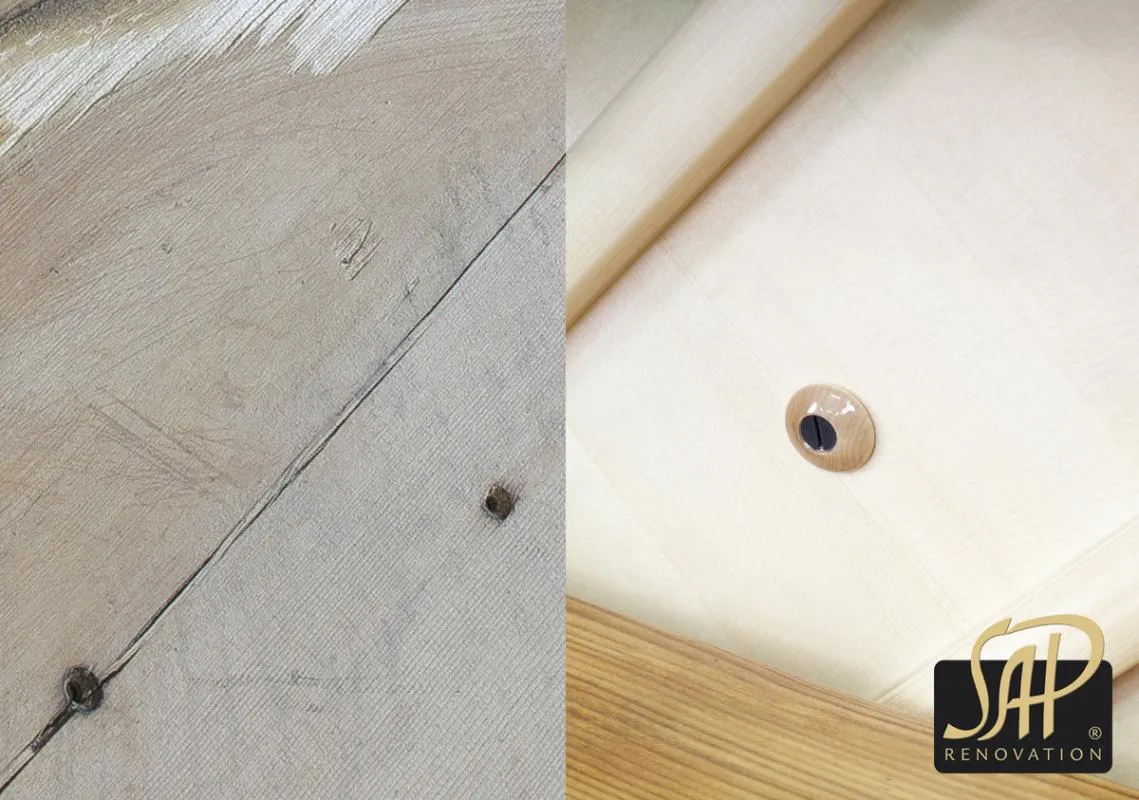
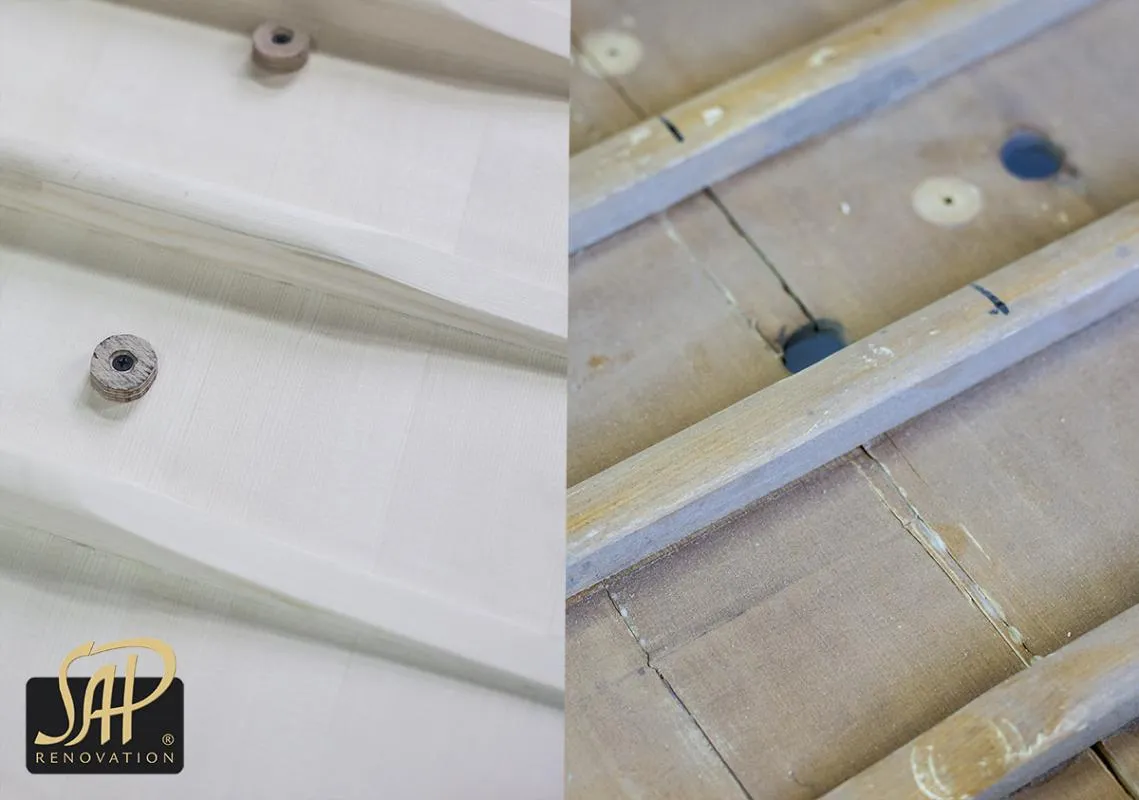
Soundboard – a damaged soundboard produces a flat, muffled sound that grows weaker with every visible crack.
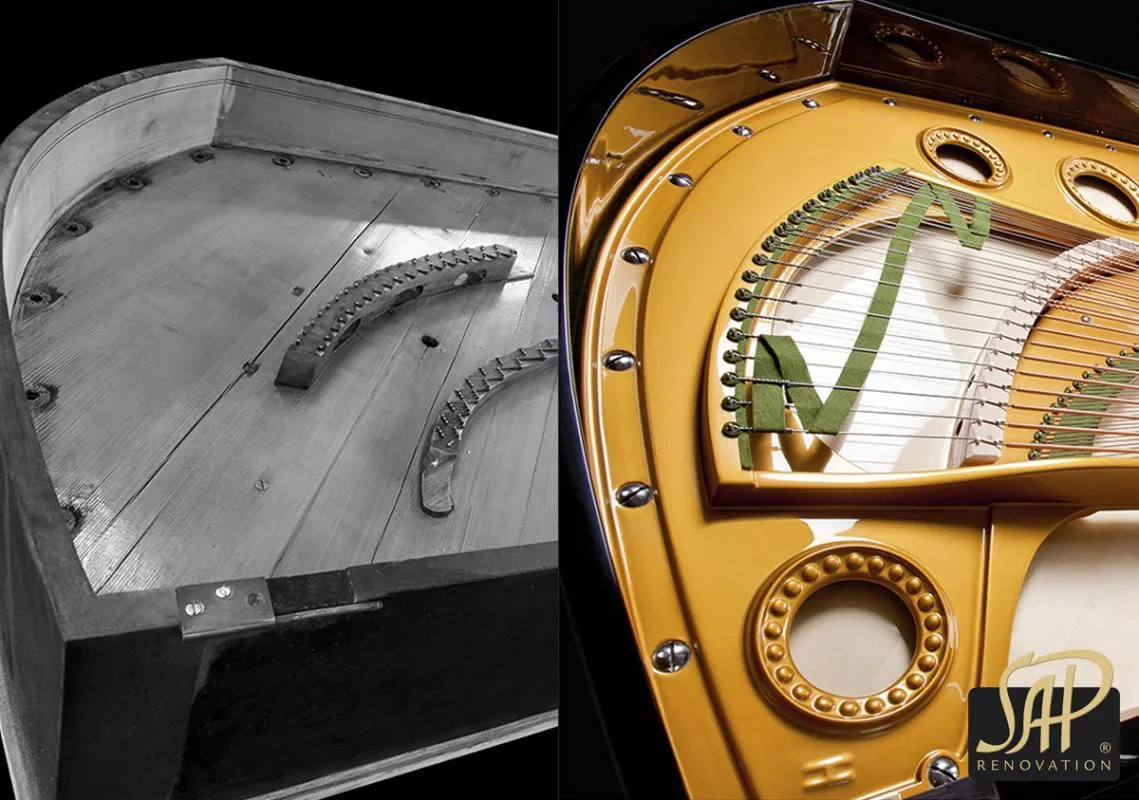
A properly carried out soundboard restoration removes all existing cracks and excess moisture, and the board regains its elasticity and the crown it needs to produce a beautiful, resonant sound. As the soundboard is a very visible part of a grand piano, a new hand-applied maker’s logo and a coat of the finest Italian lacquer are sure to fill the interior of the instrument with freshness and lustre. In extreme cases the extent of the damage to the soundboard does not allow an effective repair. In that situation, replacing the board is recommended.
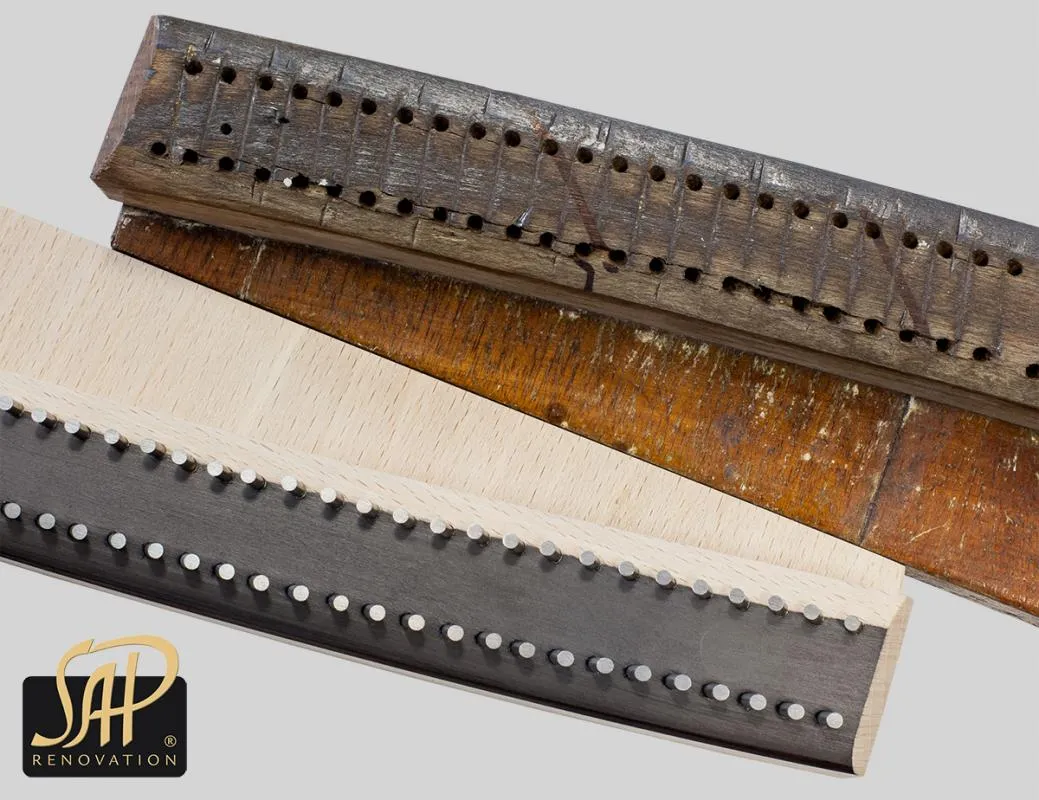
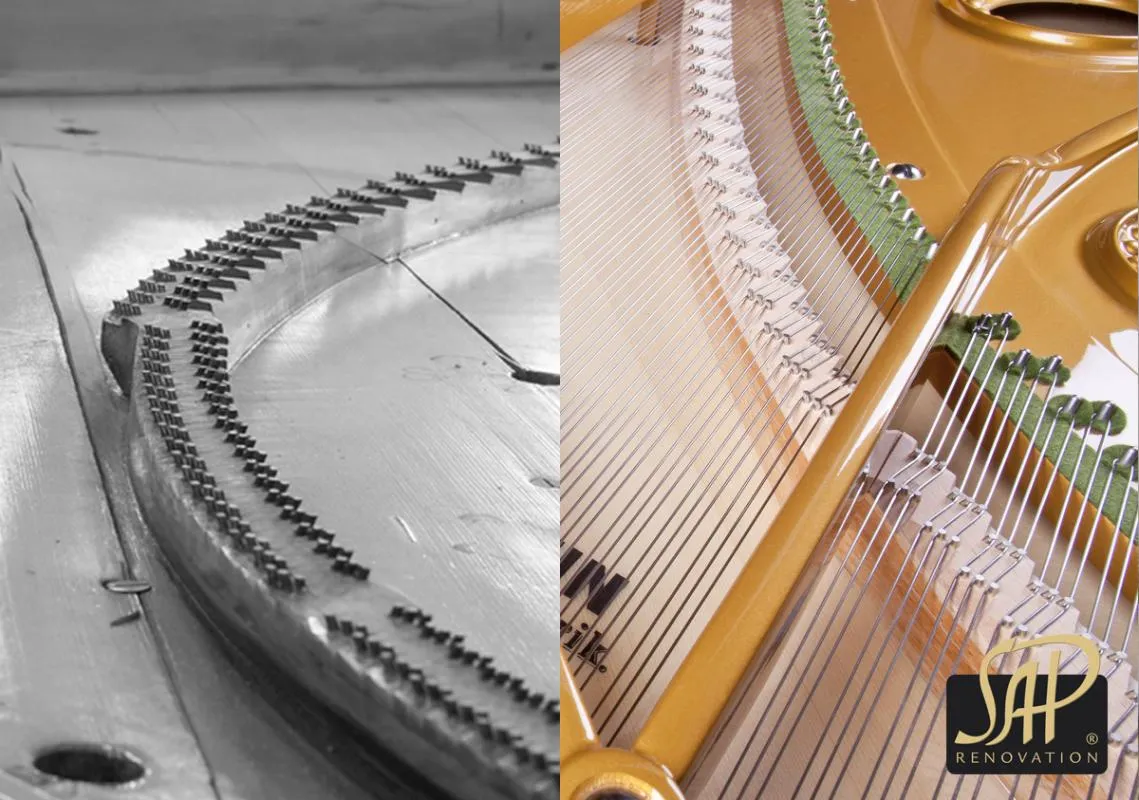
New treble and bass bridge caps – cracks in the wood and loose bridge pins in the caps weaken the stability of the tensioned string. Such damage can result in strings that buzz and work loose. Replacing the bridge caps improves the bearing height of the strings and their stability within the unisons, ensures a clean sound by eliminating unwanted buzzing, and makes tuning easier.
Pinblock – repeated tuning over the years takes its toll on the wood of the pinblock. The holes that hold the tuning pins become enlarged, shortening the time the tuning holds, until the instrument can no longer be tuned at all, even if much larger tuning pins are fitted. Any cracks in the pinblock around the holes into which the pins are driven likewise rule it out of further use. A new pinblock provides exceptionally strong tuning stability and extends the life of the piano by several decades.
Bass strings and steel strings – the strings are the source of the sound, and its quality and power depend on their condition. The age of the instrument and unsuitable storage conditions, such as air that is too cold or too warm, too damp or too dry, cause strings to rust and break. New strings from leading German manufacturers are the source of our instrument’s flawless sound.
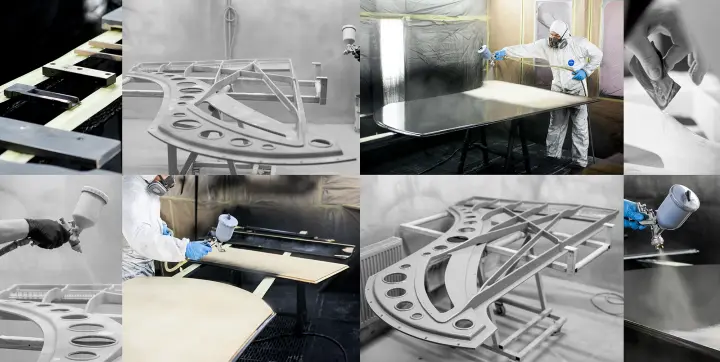
Cast-iron plate – the plate is the skeleton of the instrument, withstanding the enormous tension generated by the strings, so it is well worth looking after. The plate’s secondary role is its appearance, which brings out the beauty of the instrument’s interior. A plate that has been carefully sanded and sandblasted, then coated with a high-quality base coat and finishing lacquer, enhances the look of the instrument and adds to its beauty.
Hitch pins – these anchor the string to the plate and can become damaged or bent over the years. Replacing the hitch pins while the plate is being refinished guarantees the safety of the new stringing.
Agraffes – agraffes keep the strings evenly aligned, so that the hammer strikes all the strings that make up a single unison. Undamaged agraffes can be restored, but the degree of wear often makes complete replacement necessary.
Plate bolts – corroded or damaged plate bolts should be nickel-plated or replaced, depending on their condition.
If you would like to find out more about restoring the acoustic part of a piano and to entrust this work to our company, you are warmly invited to contact our sales department.