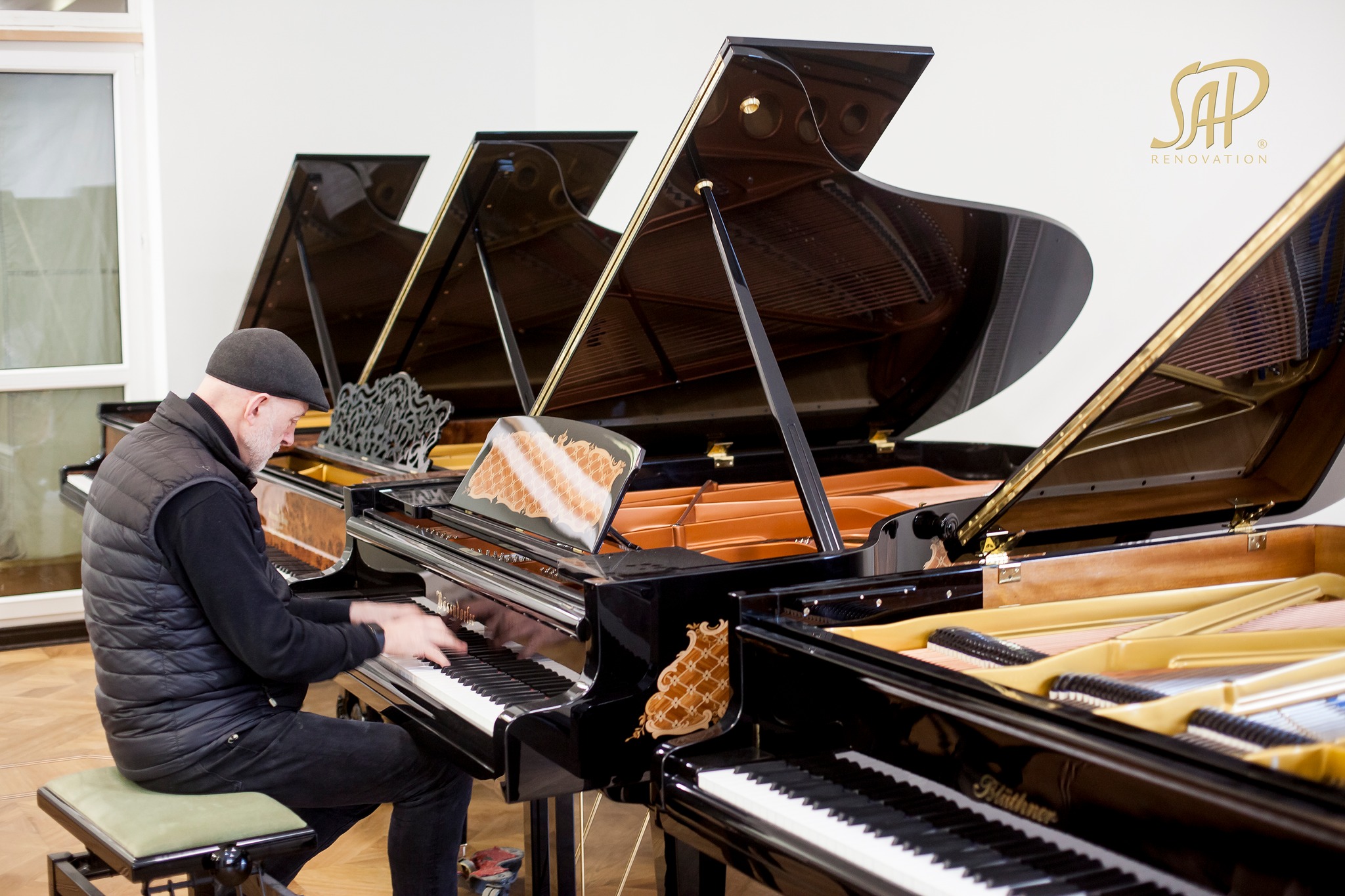
If you have ever heard the sound of a Bösendorfer piano, you know it is unmistakable. It carries a monumental depth, warmth and velvety softness cherished by the world’s finest pianists. If you want to understand where this magic comes from, let us take you behind the scenes of how these Austrian masterpieces are built.
History – Austrian tradition at its finest
The story begins in Vienna in 1828, when the young luthier Ignaz Bösendorfer set out to create an instrument capable of meeting the demands of the Romantic era. Music by Strauss or Liszt required pianos with immense dynamic range and tonal richness.
From the beginning, Bösendorfer relied on handcraftsmanship, precise wood selection and unique construction techniques — making it a favourite among composers and virtuosos from Liszt to today’s top performers.
Historic models can still be found on the restoration market. One example is the Bösendorfer SAP-10702, admired for both its sound and appearance.
What sets Bösendorfer apart?
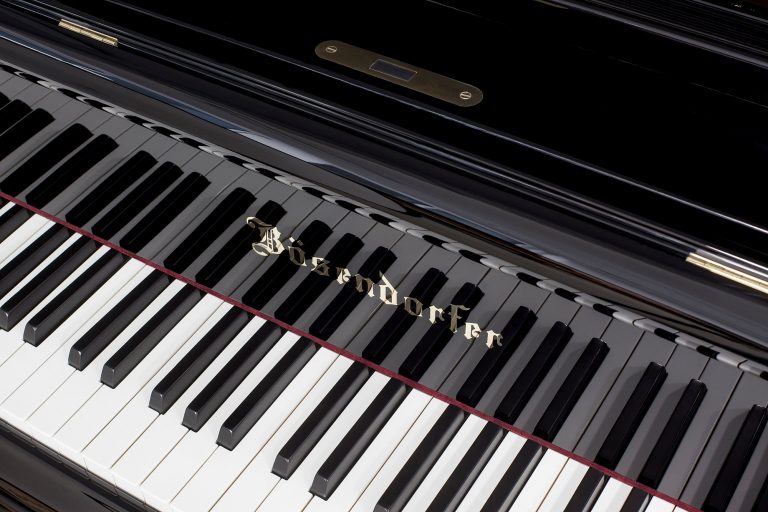
Holding a Bösendorfer key means holding a piece of centuries-old tradition. The brand rejects mass production — every instrument is treated as an individual work of art.
Key characteristics:
- warm, rich, unmistakable tone;
- construction closer to that of a string instrument than a factory-made piano;
- rejection of shortcuts typical for industrial production;
- exceptional material stability — wood seasoned for many years.
Structure and unique features
Handcraftsmanship and materials
Each instrument is built largely by hand, using resonance spruce sourced from selected Alpine forests. Every component is inspected individually — beams, bridges, action. The result is a piano unlike any other.
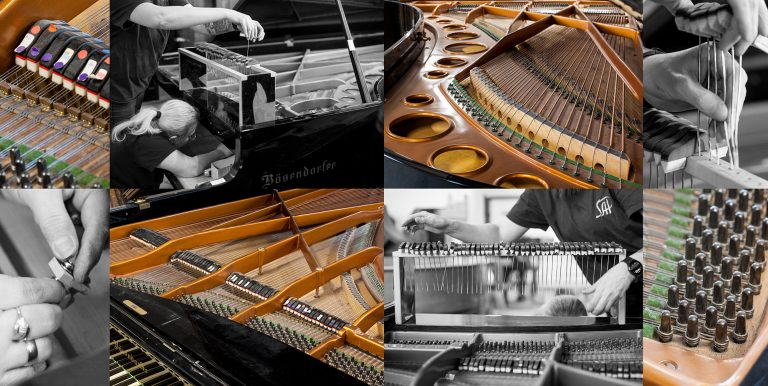
A construction like no other
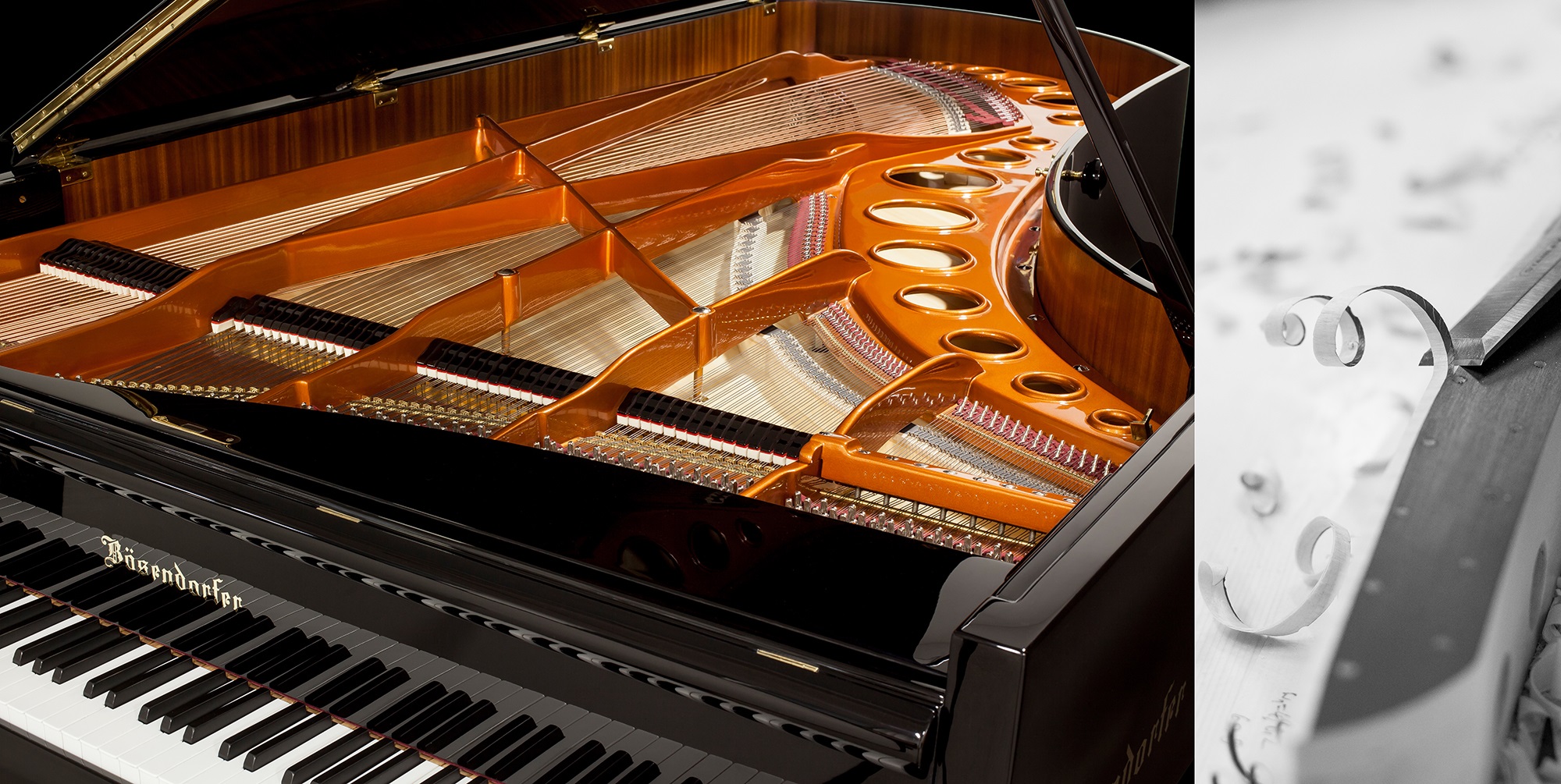
Instead of relying solely on an iron frame, Bösendorfer employs a resonating body, where the entire case vibrates like the soundboard of a string instrument. This creates an organic, warm and natural tone.
Additional strings and extended range
Models such as the 225 or the Imperial 290 include an extended keyboard with up to 97 keys and the famous sub-contra notes. Even the sympathetically vibrating strings contribute to the instrument’s characteristic harmonic richness.
How a premium instrument is built
- Wood selection – natural seasoning for up to 6 years
- Crafting the resonating body – all panels shaped by hand
- Creating the soundboard – the heart of the piano
- Frame and bridge construction – tuning stability
- Action assembly – precision down to a millimetre
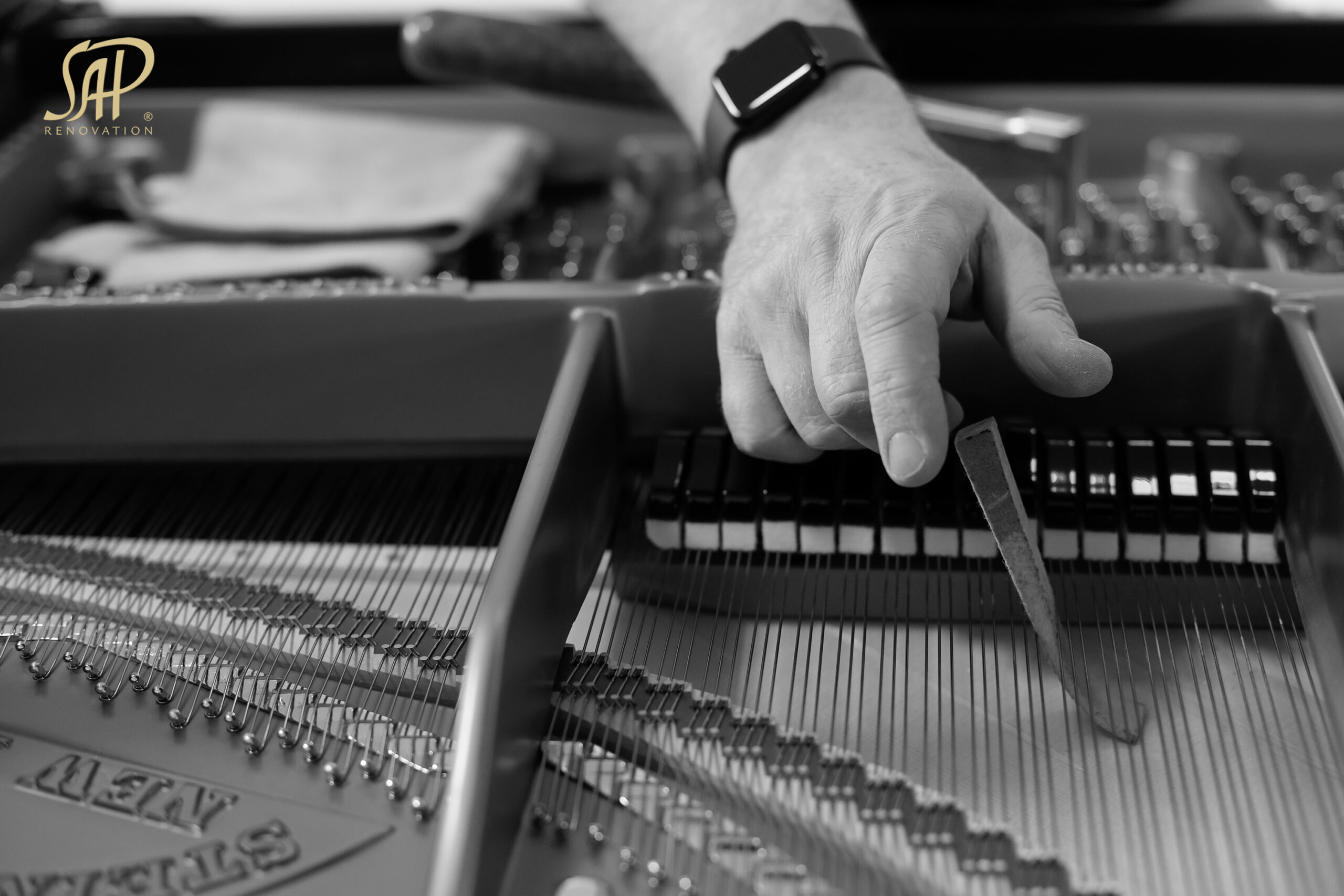
- Tuning and voicing – dozens of hours of expert work
- Finishing – traditional black or natural veneers
The full process takes over a year.
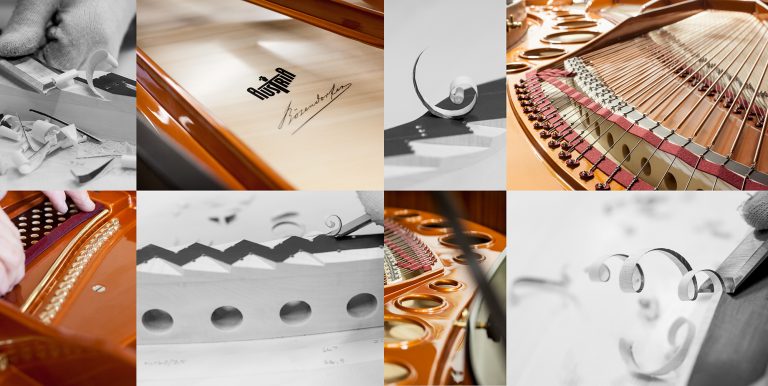
Model1s – from classic to concert grand
Bösendorfer produces instruments for private homes, small halls and the world’s largest stages — including the 225, 280 Vienna Concert and the legendary 290 Imperial.
Why artists choose Bösendorfer
The sound is saturated, warm, deep and spatial. Unlike metallic tones of some other brands, Bösendorfer provides a velvety, harmonically rich colour — ideal for musicians who appreciate a soft attack and lush resonance.
How to care for your Bösendorfer at home
- stable humidity 45–55%
- avoid heaters and fireplaces
- tune at least twice a year
- gentle cleaning of keys and finish
- action inspection every 12–24 months
Recommended accessories
- adjustable piano bench
- professional humidifier
- protective cover
- anti-vibration pads
- additional pedals depending on model
If your instrument needs refreshing, professional restoration can revive its tone and elegance without needing to purchase a new one.