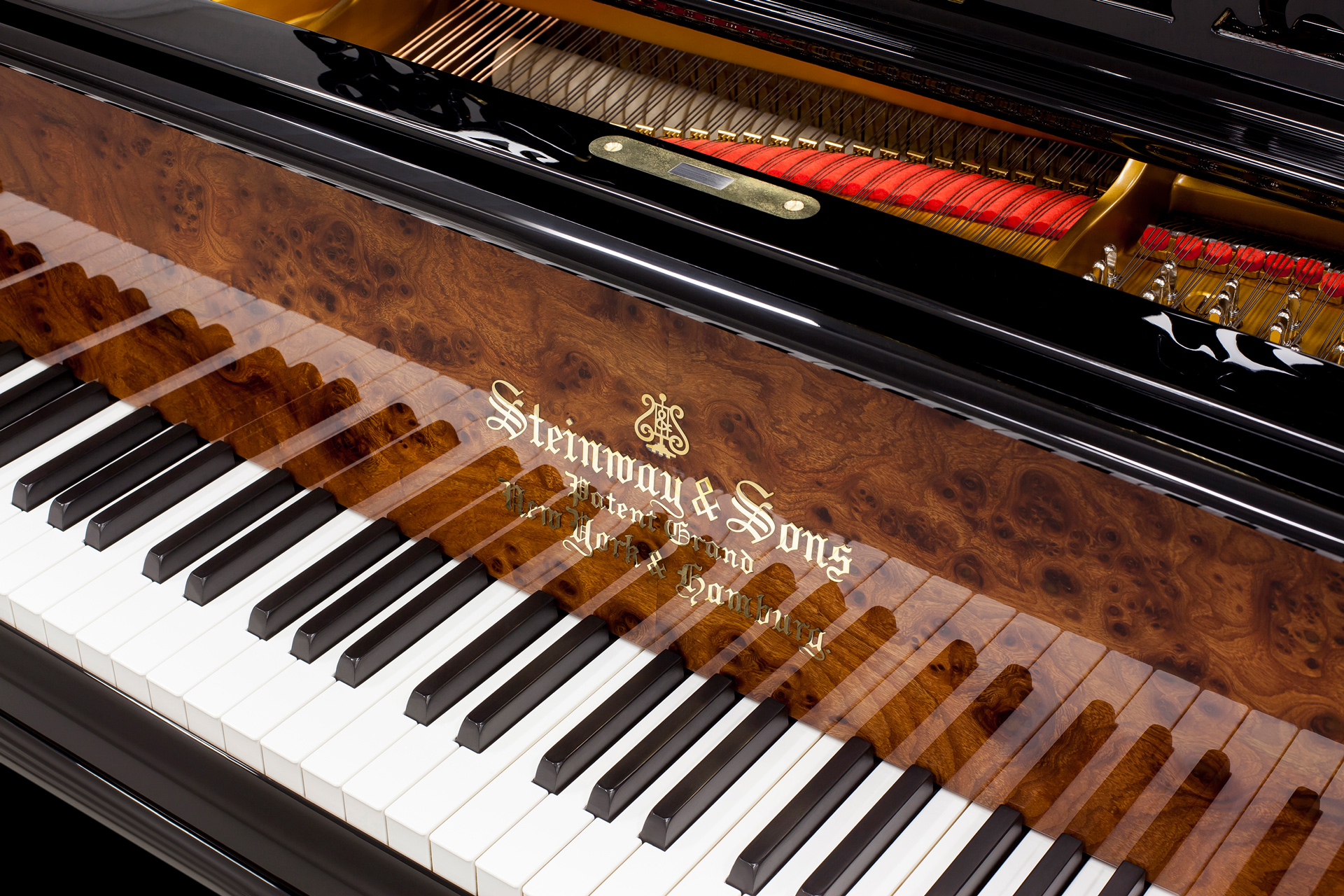
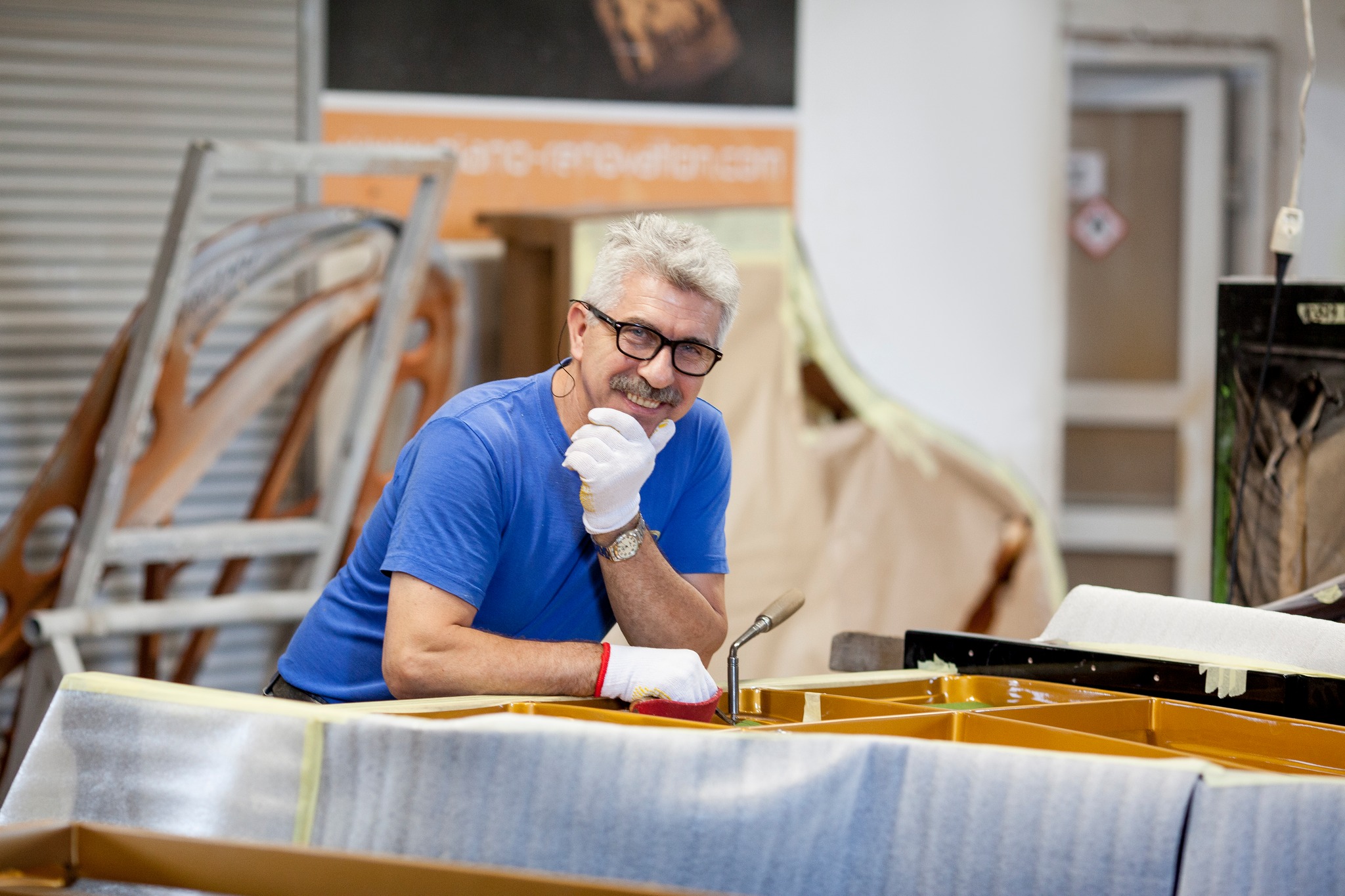
Purchasing a used keyboard instrument is always an exciting adventure, but it requires a great deal of caution and a thorough assessment of the instrument’s technical condition. Most serious structural defects develop slowly, sending subtle warning signals that an inexperienced music enthusiast can easily overlook during the first inspection. Early diagnosis of problems can significantly reduce the cost of future repairs, so it is important to know what faults in a used piano can negatively affect everyday playability. A knowledgeable buyer can distinguish minor imperfections from critical structural damage, allowing them to make a fully informed and cost-effective decision when purchasing a particular model.
Common Issues in Used Pianos – What to Look for During Initial Inspection
The first visual inspection should always include a careful check of the production date, usually engraved on the metal frame inside the piano case. Examine the entire cabinet for visible cracks, wood loss, or worn-off layers of lacquer, as these indicate the storage conditions the instrument has experienced.
When opening the top lid, inspect the soundboard closely for any visible cracks, which can affect the overall quality of sound. Each key should be tested for smooth return to its original position after being pressed and released. Listen carefully to the clarity of sound across different registers to rule out buzzing or rattling, which may indicate structural issues. Finally, check all pedals to ensure the right pedal sustains notes effectively without producing unwanted noises.
Piano Action in Practice – Sticking Keys, Playability, and Repetition Issues
Sticking keys are one of the most common problems in older instruments, often caused by loosened wooden key pins. To identify the cause of resistance, gently move the key side to side to detect any misalignment or foreign objects blocking movement. Often, the issue lies in the height of the capstan (the elongated part that rests on the hammer), which requires precise adjustment to restore proper function.
A professional piano action requires periodic maintenance, as a cracked jack leather or worn felt can completely prevent accurate and dynamic play. Checking a detailed technical description available online can help understand the complexity of this repair-intensive component. Excessive humidity can cause keys to temporarily stick, usually resolving once optimal climate conditions are restored.
Tuning and Acoustic Problems – When a Used Piano Fails to Hold Pitch
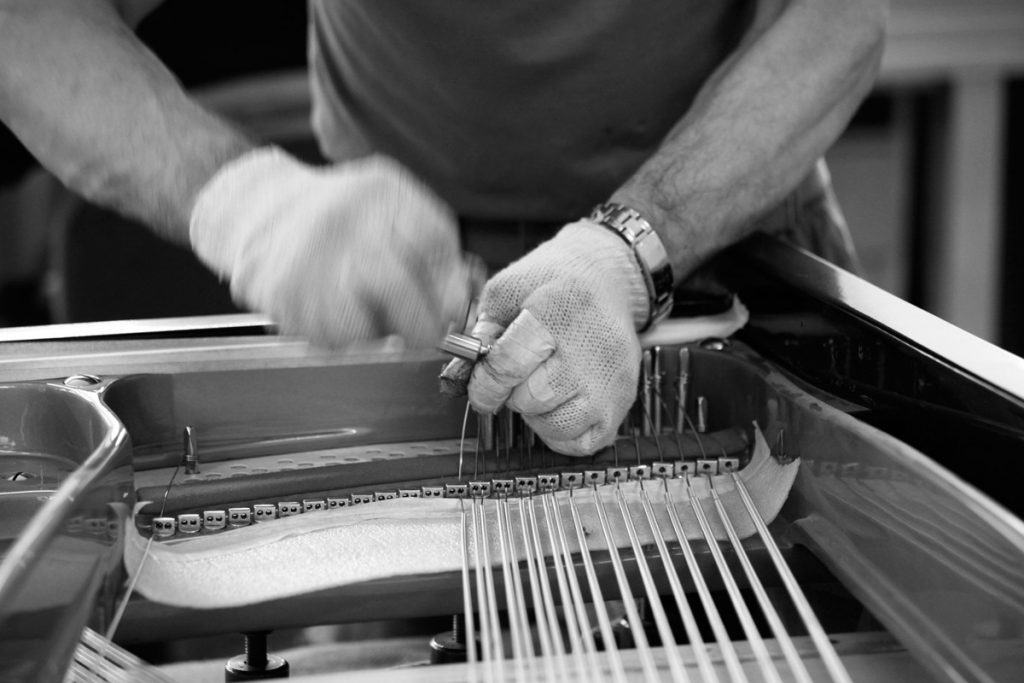
If the piano loses its tuning within a few days after a tuner’s visit, the cause is usually loose tuning pins that cannot maintain string tension. Wooden pinblock holes may wear or crack over time, causing metal pins to lose stability and rotate on their own.
A common but costly solution is replacing the entire set of pins with larger-diameter ones, ensuring long-term stability. Unstable tuning may also indicate a more serious problem, such as a cracked pinblock, which makes accurate tuning impossible even for the most experienced specialist. During restoration, attention to the structural frame is crucial, as tuning stability depends directly on these hidden components. Diagnosing patterns of string chorus detuning helps accurately assess the piano’s technical condition.
Cracks, Resonance, and the Pinblock – Serious Issues Requiring Specialist Intervention
The soundboard, made of carefully selected spruce, is the heart of any piano, directly responsible for amplifying and distributing the vibrations of all strings. Cracks usually result from drastic humidity fluctuations, causing the wood to continually shrink and swell over the course of the year. Small cracks may not affect sound, but those accompanied by buzzing require immediate technician intervention to restore the instrument’s structural integrity.
Repair typically involves precisely inserting wooden wedges into cracks, restoring stability and eliminating unwanted acoustic effects. In cases of extreme damage, a complete replacement of the soundboard may be necessary—this is costly but essential to save the instrument. Professional restoration services can perform such advanced work, allowing even very old and neglected pianos to regain their full tonal potential.
Piano Restoration and Scope of Repairs – When Regulation Is Enough and When Full Rebuilding Is Necessary
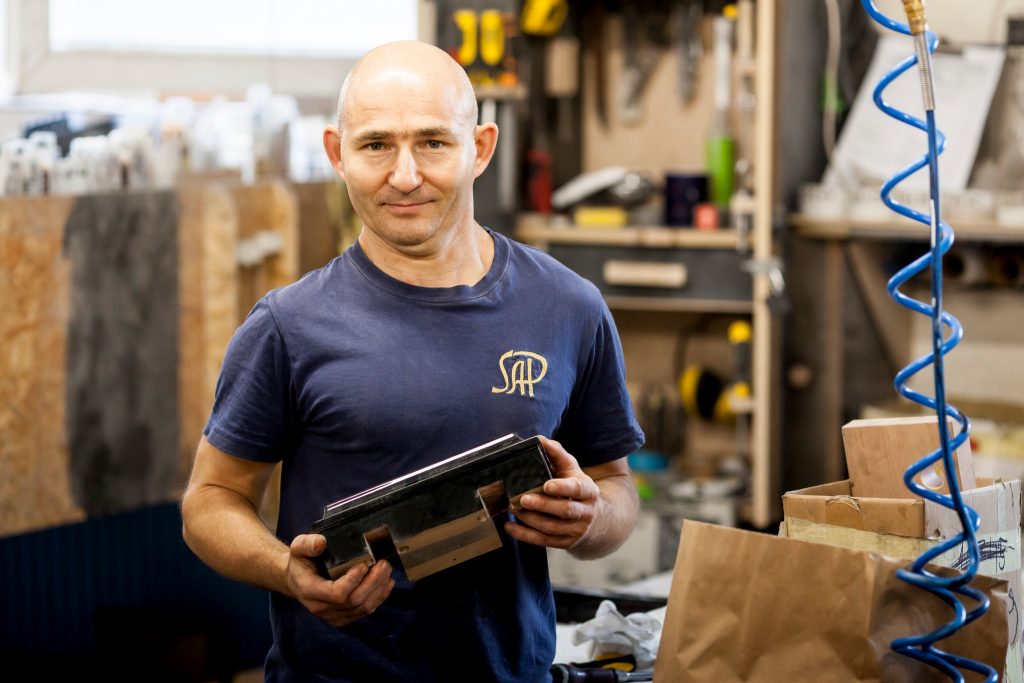
Deciding whether a piano needs minor adjustments or a full rebuild depends on the wear of key components and the overall condition of materials. Regular restoration often starts with shaping hammers to restore proper form and elasticity for a beautiful tone.
However, if the hammer felts are completely compacted and have lost their resilience, the only solution is replacing the entire set, which significantly improves dynamic response. Basic maintenance such as tuning and mechanism regulation should be performed systematically to prevent minor faults from accumulating and avoid costly repairs in the future. Online examples of piano restoration demonstrate the spectacular results achievable through comprehensive refurbishment. Full restoration is particularly cost-effective for pianos from reputable manufacturers or instruments with high sentimental value to the owner.
Veneer and Cabinet Restoration – Cosmetic Damage That Often Hides Deeper Problems
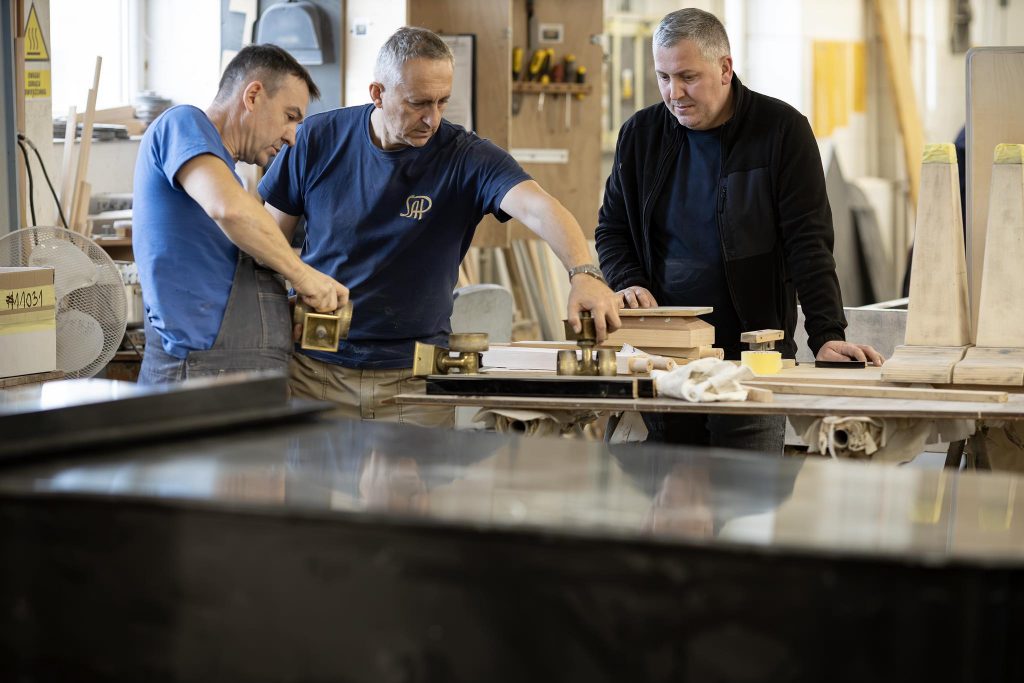
The decorative veneer is highly sensitive to microclimate changes, which can cause delamination, cracks, or complete separation of decorative wood elements. Visible veneer repairs often represent only the tip of the iceberg, as cabinet damage may indicate that internal components have also suffered. Small defects can be relatively easily repaired through precise filling and lacquering, but extensive damage requires advanced woodworking and replacement of entire veneer sections.
It is important to note that excessively dry air causes wood shrinkage, which leads to cracks not only on the surface but also internally. Excessive moisture can cause swelling, corrosion of metal strings, and the growth of mold and fungi in hidden piano areas. Proper care of the exterior should therefore go hand-in-hand with maintaining stable storage conditions, significantly extending the life of any used instrument.
Assessment by a Piano Technician – When Repairing a Used Piano Makes Sense
Hiring an independent specialist for a professional technical assessment before purchase is the cheapest form of insurance against a costly mistake by a layperson. A professional can accurately determine whether the cost of restoration will exceed the piano’s market value, which is crucial for the final purchase decision.
Repairs make the most sense for branded models, which, once restored, can serve for decades while retaining high value. It is advisable to avoid investing in mass-produced instruments with serious structural damage, such as a cracked pinblock or severe moisture and rust damage. A professional evaluation can also reveal hidden threats, such as moth damage to felts or woodworm activity in the structural frame.