
Many pianists wonder why instruments from the same factory can sound different. Two grand pianos can surprise a music lover with their contrasting tonal colours and strength of resonance. The outcome is shaped by craftsmanship, physics and the principles of acoustics. Musicians often ask why pianos sound different when trying them in a showroom. The answer lies in the nature of the materials, the precision of the craftsperson’s work and the instrument’s playing history. Understanding these factors deepens our appreciation of piano making and our connection with the music.
Two identical models, two different experiences — where does a grand piano’s individuality come from?
Every instrument that leaves a production line has a voice of its own. Its personality reveals itself a fraction of a second after the pianist strikes a key. This is the combined effect of variations in the structure of the materials. Even when production standards are maintained, components differ in mass and flexibility. A specialist piano acoustics workshop helps investigate the origins of these differences. While playing, the musician immediately perceives these nuances through both hearing and touch.
Natural wood is never perfectly uniform
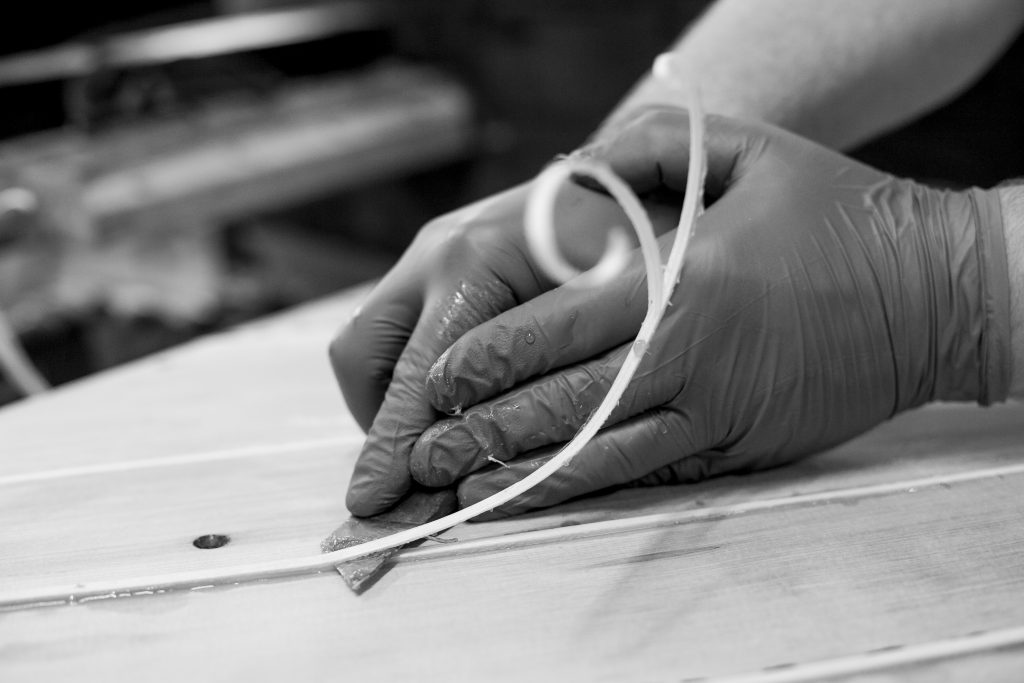
The density and spacing of a tree’s growth rings vary with climate and soil. The structure of the timber determines how quickly vibrations travel through the instrument’s body. Master craftspeople select wood for its resonance and resistance to string forces. No piece has exactly the same properties as another, even if both come from the same trunk. In the workshop, a carefully fitted soundboard can help restore an instrument’s carrying power. Nature therefore gives each piano a slightly different speed of response to the attack.
Soundboard, bridges and case — where material differences matter most
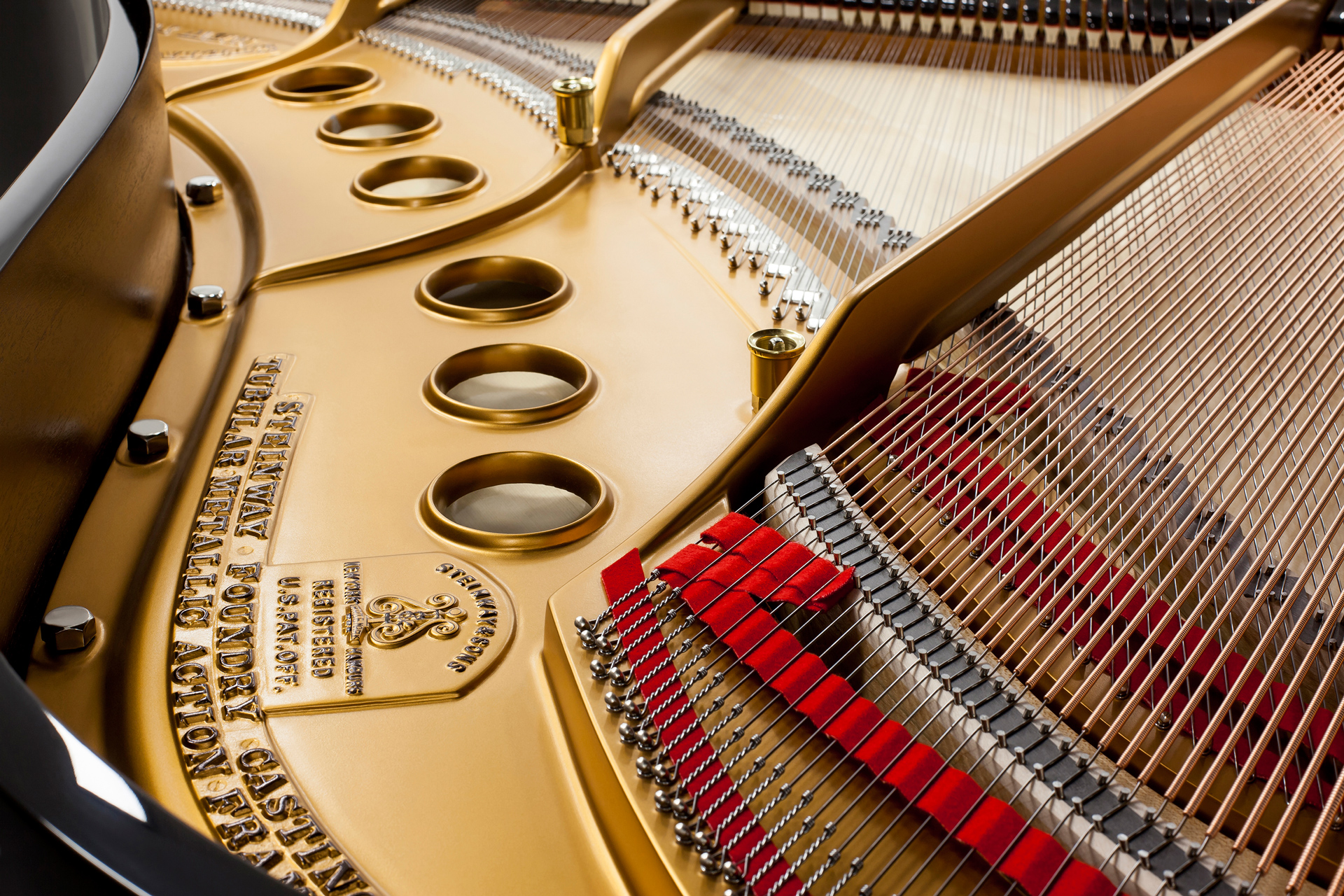
At the heart of the piano’s acoustics lies the component that amplifies the strings’ vibrations. The wood’s thickness here varies by fractions of a millimetre. The bridges transfer energy directly from the strings to the wood without loss of power. A beech or maple case forms a boundary that reflects sound towards the listeners. Restoration examples illustrate how the fit between components influences tonal projection. Differences in the assembly of these parts determine the richness of the overtones during playing.
Hammers and voicing — why does the instrument’s final character emerge only during tonal finishing?
The hammers that strike the strings are made with layers of sheep’s-wool felt. Needling the felt changes the resilience of the striking area and shapes the tonal colour. In this way, the craftsperson gives the sound softness or a metallic brilliance. The work is directly influenced by the grand piano action, which transmits the finger’s energy upwards. This is why piano hammers acquire their individual character in the hands of the voicer. Together, these procedures constitute piano voicing — a craft that approaches an art form.
Action regulation — the same model can feel different under the fingers
The instrument’s system of levers comprises thousands of wooden, leather and felt components. Adjusting clearances and weights determines repetition efficiency and dynamic control. The pianist experiences keyboard resistance as heaviness or lightness in the touch. During calibration, the quality control department checks the components’ operating parameters. Action regulation unlocks the instrument’s wealth of tonal shades. Differences in the geometry of these parts mean that instruments from the same series can offer distinctly different playing sensations.
Playing and service history — how do years of use change an instrument?
Time begins to leave its mark as soon as an instrument leaves the factory. Thousands of hours of playing compact the hammer felt and change its point of contact with the string. Over the years, the wood in the case loses moisture and its internal stresses settle. This process shapes the grand piano’s tone towards greater brightness and power. The work of tuners also modifies the structure of the felt over time. The instrument develops under the energy of repeated keystrokes.
Humidity, temperature, wear and previous repairs
Conditions in the room affect the state of the piano’s wood. Fluctuations in humidity alter the soundboard’s crown and the tension of the strings. The repair and service history determines the condition of individual components. Factors that shape the instrument’s condition include:
- Drops in humidity during the heating season
- The degree of wear in felt and wooden components
- The extent of the work carried out during servicing
These factors mean that two instruments made in the same year can respond differently to the player. Understanding these processes helps buyers avoid a mistaken purchase.
Room acoustics — why can the same grand piano sound different after being moved?
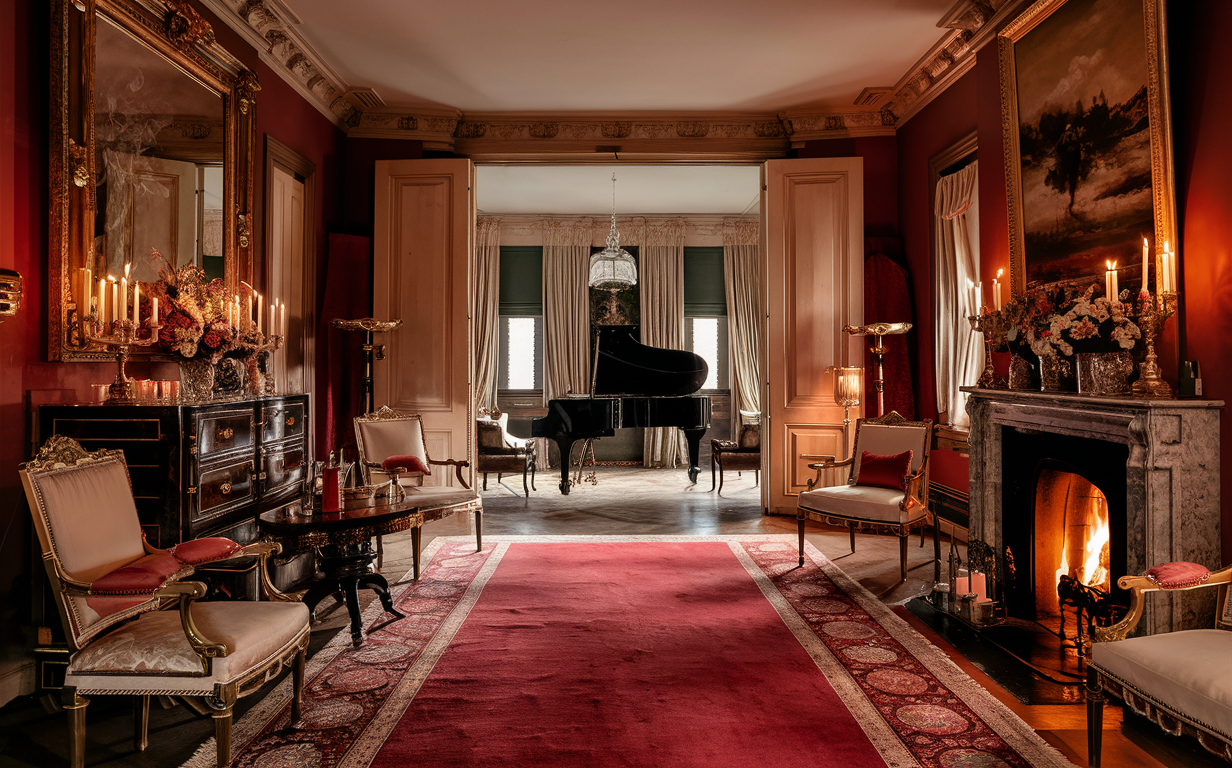
The space around the instrument extends its resonance. Ceiling height and fabrics on the walls alter the duration of the sound. In many cases, room acoustics determine how the listener perceives tonal colour. A pre-purchase grand piano assessment can help evaluate the room’s influence and the instrument’s tonal potential. Sound reflects from glass surfaces and returns to the ear with added intensity. Moving a piano to a new location can change its perceived tone without any alteration to the action.

Consistency and individuality — what should you expect from a premium piano maker?
Piano makers with a long tradition do not aim to produce characterless copies. Their goal is exceptional craftsmanship that preserves each instrument’s identity. Every premium grand has a personality that meets an artist’s expressive needs. Buyers expect flawless mechanical performance and consistent construction dimensions. The Alaudis workshop exemplifies this approach, combining precision with richness of tone. The tonal differences between instruments of this class become a source of inspiration for virtuosos.
Alaudis and individual production — how do you create a recognisable tonal identity without mass production?
The maker’s philosophy is built around a dialogue with the natural qualities of its materials. An unhurried process allows internal stresses in the wood to settle. Musicians choose Alaudis grand pianos for their tonal depth and carrying power. The way the Alaudis grand piano is constructed reflects the skill of master craftspeople. Attention to every detail gives the sound depth and expressive strength. Each instrument leaving the workshop brings together a coherent design vision and the artist’s freedom of expression.
How should you compare two instruments before buying, rather than relying solely on the brand and year?
Buying an instrument requires the musician to look beyond catalogue descriptions and dates of manufacture. Play the same passage on both pianos with the lid raised and lowered. This reveals subtle dynamic differences and helps you choose according to your own musical ear. The decision should rest on playing comfort and a genuine affinity with the tone. In the instrument’s sound, the player finds a complement to their own expressive style. The distinctive voices of grand pianos show that craftsmanship continues to surpass factory automation.