
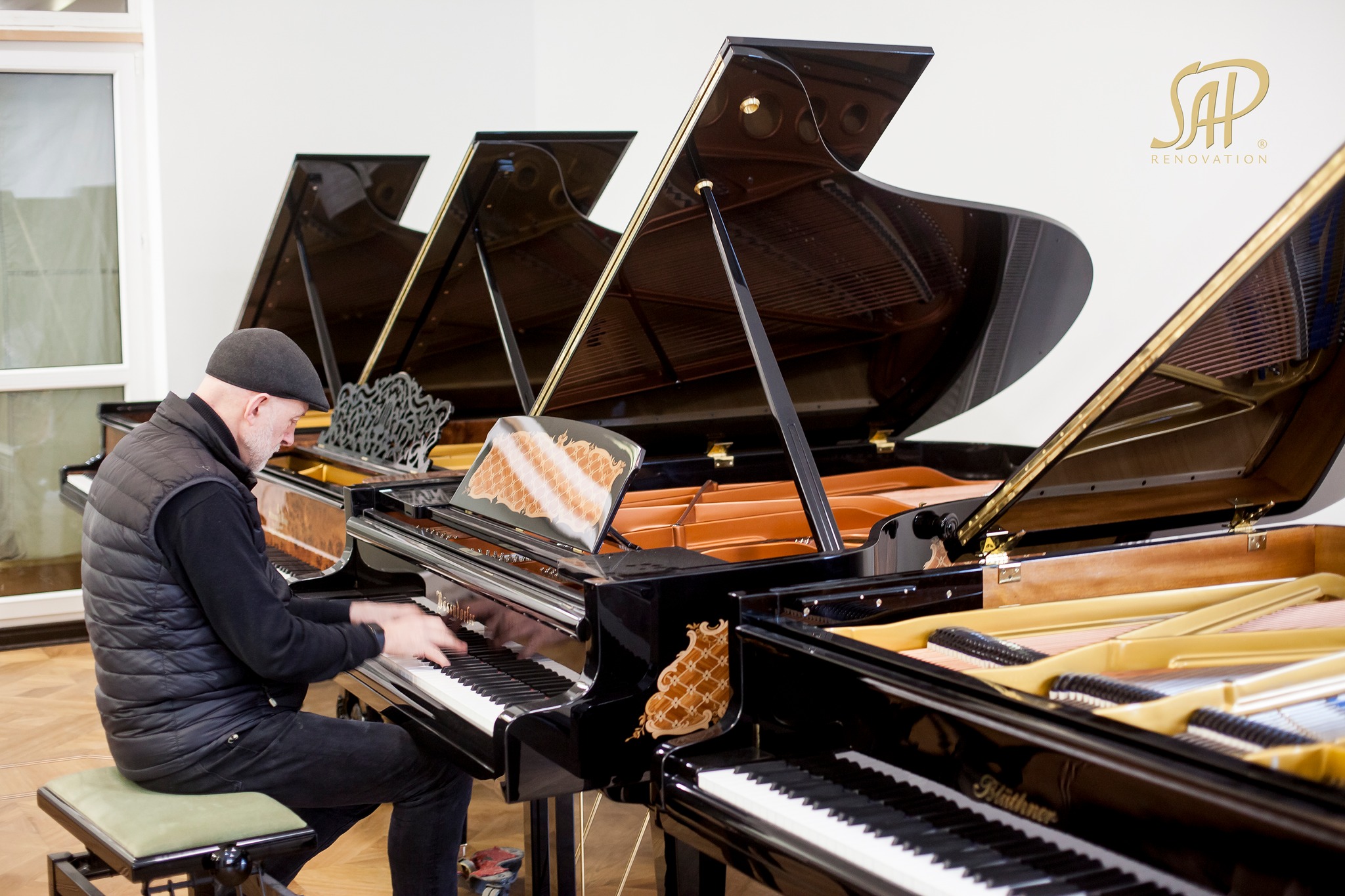
Making a decision about purchasing a musical instrument requires a great deal of patience and knowledge about the construction of playing actions. We often give in to the suggestion that the cost on the receipt must go hand in hand with the class of tones and the depth of timbre drawn from inside the case. In reality, the relationship between the amount in your wallet and the impression on your hearing can be a puzzle worth solving before visiting a showroom. This article will explain the aspects of construction that genuinely shape the comfort of everyday work at the keyboard and the joy of contact with art.
Piano price and sound quality – where does this belief come from?
Understanding market mechanisms makes it possible to see why people so strongly associate monetary value with the class of sound they hear in a room. We often succumb to the magic of brands with a strong reputation, which have built their history over centuries and now price their products very highly compared with the competition. It is worth checking carefully, however, whether the price of a piano determines sound quality to a degree that justifies spending one’s savings for this purpose. Marketing creates images of luxury that do not always have support in facts during actual contact with the keys in a music store. Experience teaches us that we pay not only for the material, but also for the logo on the fallboard and for the prestige of owning a model from a given company. An analysis of the facts shows that the production process in many parts of the world looks similar despite the differences in the amounts visible on price tags. A buyer should therefore look beyond the price and focus on what actually reaches their ears during tests.
What really affects piano sound quality?
The creation of sound inside the cabinet is the result of the cooperation of wooden and metal elements that must fit one another perfectly, without errors. Parameters such as the density of spruce grain influence what the quality of piano sound depends on in the assessment of the ear of a person who spends time with music. Tuning stability and richness of colour result from the craftsmanship of human hands, not from the amount paid at the showroom cash desk alone. The selection of raw materials and the time devoted to their preparation are proof of the value of the workmanship of a model by workers in factories all over the world. The precision with which parts of the case are fitted means that the instrument transfers the energy of the strike in a way that is predictable and satisfying for the musician. If the construction has flaws, even a record-breaking margin will not correct deficiencies in tonal depth or in the dynamics of pieces. One should therefore deepen one’s knowledge of construction in order to make a choice based on facts rather than on emotions flowing from advertising.
The soundboard – the most important element of tone
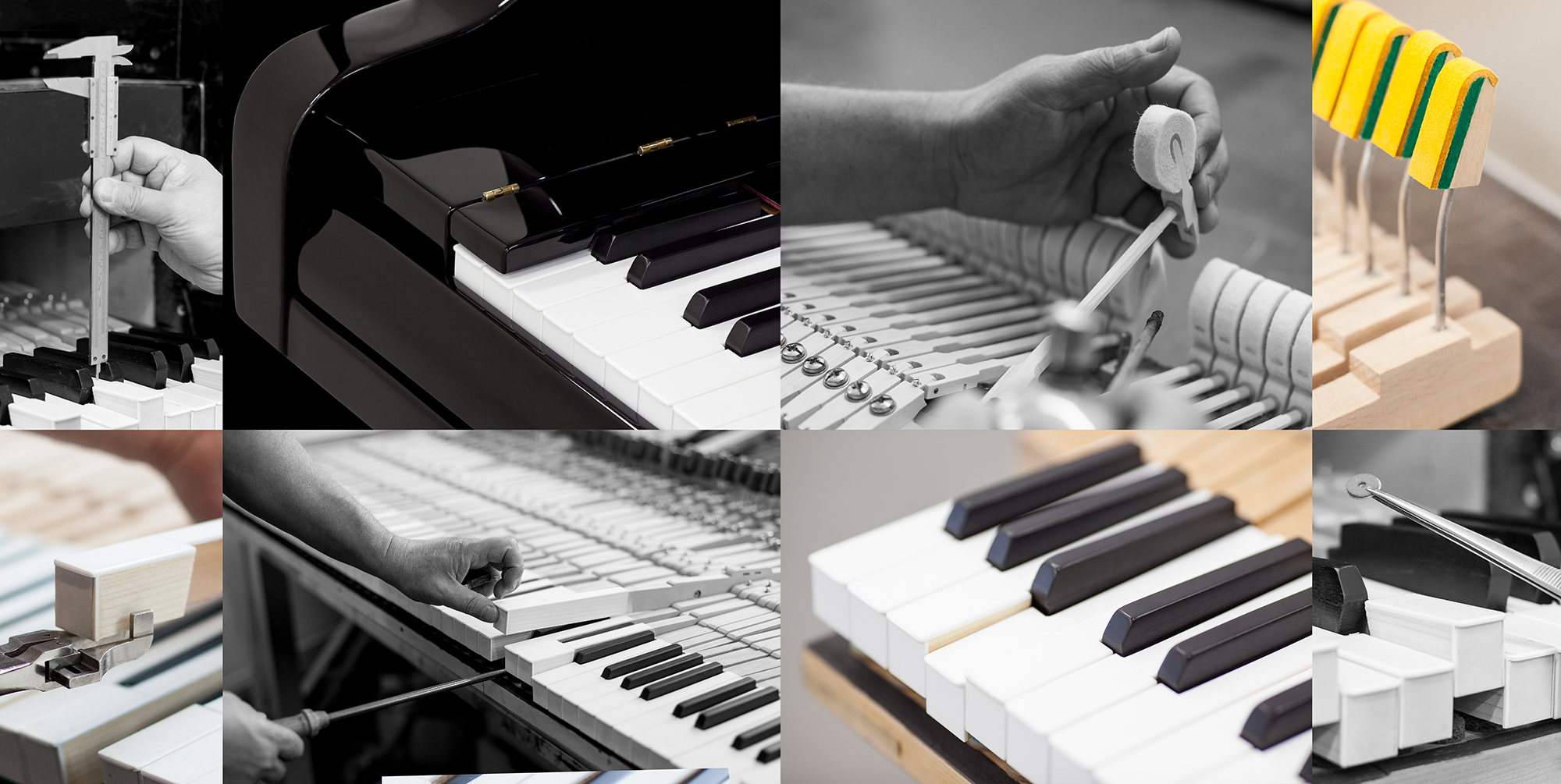
This is the heart of the instrument, responsible for amplifying the vibrations of the strings and giving them colour and power in registers from bass to treble. During an inspection, we often forget how important the significance of the soundboard in a piano is for the effect we perceive with our sense of hearing. The wood must possess tension in order to transmit vibration waves to the surface of the body in a way that ensures the volume of tones in the room. An investment in a new soundboard can restore brilliance to instruments that have lost power due to the passage of time and changes in humidity. If the material cracks or loses its shape, the sound will lose energy regardless of the purchase cost or the year of manufacture in the factory. Services in this field make it possible to recover the instrument’s potential without having to buy one straight from a mass-production line in another country. Care of this element guarantees satisfaction from music for years of life and work at the keyboard at home or at school.
Piano action – precision instead of price
The way in which a key responds to the pressure of a finger determines the possibilities of expression and the freedom with which a pianist builds a phrase. It must be emphasised that the influence of the action on the sound of a piano is direct, because it controls the work of the felt hammers striking metal strings. Even a model with a luxury price will not meet expectations if the interior has not been adjusted with care for details and the distances between levers. Properly selected piano hammers and sound quality are a relationship that determines the tone colour drawn from inside the instrument. Professional restoration of a grand piano keyboard restores control over playing, giving the musician a sense of confidence when performing rapid passages. Many people believe that only actions straight from the factory function correctly, which is untrue in the world of technology and craftsmanship. The durability of older constructions after workshop servicing often exceeds the quality of mass production that customers see in showrooms today.
New piano vs used vs restored – what has a greater effect on sound than price
Before buying, we face the dilemma of whether to choose a product from a showroom or look for an opportunity on the market of objects with history and soul. Deliberations about whether to choose a used piano or a new one come down to the technical condition of the particular instrument under the case. Restored instruments can play better than products straight off the line, because a craftsman devotes time and attention to them in the workshop. It is worth checking examples of restoration in order to become familiar with the effects produced by restoring efficiency to parts after years of wear. Investing in the restoration of the action is justified by the quality of the wood and the durability of the steel in the instrument’s frame. It often turns out that whether it is worth buying a restored piano depends on the knowledge and experience of the people carrying out the work. Restoration makes the sound gain a depth that we will not find in models made of plastic and plywood instead of oak or spruce.
Why does an expensive piano not always sound better?
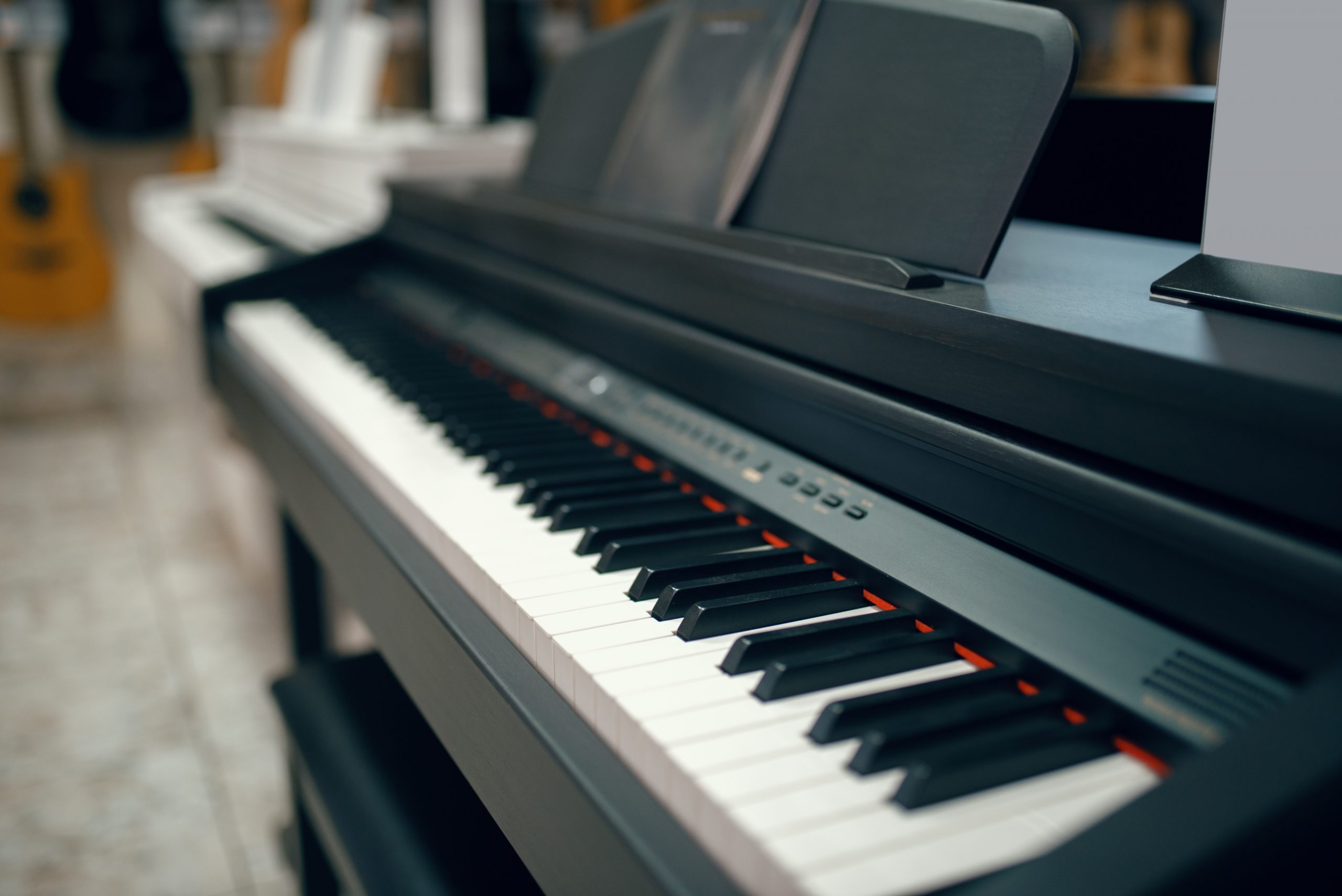
The cost of an instrument often results from the finish of the cabinet or from the reputation of the brand placed on the fallboard. When analysing whether an expensive piano is better, we must separate the aesthetics of the piece of furniture from the capabilities of the action. The size of the construction imposes limitations that are worth considering when choosing an upright piano or a grand piano. Differences in sound result primarily from the length of the strings and the surface area of the soundboard. Systematic tuning and maintenance of a piano make it possible to keep the instrument in good technical condition regardless of the purchase price. Care for the condition of the strings and tuning pins has a greater influence on tone than gilding on the music desk. Advice on servicing explains the principles of caring for the conditions in the musician’s room.
When is it worth paying more – and when does it make no sense?
The decision to pay extra for a premium-priced model makes sense only when we care about tonal qualities and durability. If we plan to study at a master level, investing in an instrument with sensitive key response becomes fully justified by the needs of the hands. A comparative analysis of budget piano vs premium piano shows differences in the operation of the dampers and in tuning stability after tuning. One should, however, know how much a good piano costs so as not to pay for features that, as a student, we will not be able to use. A professional restoration offer provides an alternative to purchasing an instrument from a shop display, which is sometimes made from low-grade raw materials. An instrument from the middle price range after tonal adjustment will satisfy the ear of a musician looking for a noble and deep sound.
The most common mistakes when choosing a piano
When choosing an instrument, it is easy to succumb to the temptation to assess it with the eyes instead of focusing on examining the capabilities of the technique and acoustics of a given model in practice. It is a mistake to ignore the condition of the bridges, which carry the vibrations of the strings to the soundboard, because this affects the purity of tone in the bass registers. Replacement or new bridge caps can eliminate buzzing and restore clarity in low-frequency tones. Before making the final decision, it is worth learning how to choose a piano for the home, taking into account the size of the room and the humidity. Taking advantage of the help of a professional during inspection makes it possible to avoid mistakes connected with construction defects that cannot be seen on the outside of the case. If the bridges require repair, one should check the service options in order to restore the instrument to a usable condition for a pianist dreaming of excellence.

How to evaluate piano quality objectively before purchase?
Evaluation requires an approach based on testing the instrument across dynamic ranges and with changing textures of works from the classical repertoire. One should check whether the sound is even in every register and whether there are no dead spots across the entire length of the keyboard. The choice of an instrument is made easier by a checklist prepared for people who want to buy an instrument wisely:
- Checking the resistance of the keys during playing at tempo and when playing notes slowly for the ear.
- Verifying the condition of the felt on the hammers and their alignment in relation to the strings inside the action.
- Assessing the tuning by checking the purity of octaves in sections of the scale from the bass to the highest notes.
- Inspecting the soundboard for cracks that may affect the resonance of the instrument as well as its colour and power.
- Testing the operation of the pedals and their influence on the colour and the duration of the sound after they are pressed with the foot.
These points will help in finding an instrument with qualities that will allow the development of playing skills on this instrument for years. Knowledge of construction protects against the purchase of an object of low value that will not fulfil dreams of music at home.
Choosing a piano is a process in which price is only one element of the puzzle leading a musician toward their goal in the world of sound. The quality of tone lies in attention to construction details, the condition of the wood and the precision of the action’s work beneath the lacquered finish of the instrument’s case. Instead of being guided by the brand, it is worth trusting the senses and the opinions of technicians who understand the construction of these machines for music. Let us remember that a restored instrument can serve generations of people, bringing the joy of playing every day at home with their favourite sheet music.